26 Summer Chocolate Brunette Hair Color 2026 Ideas for a Rich, Sun-Kissed Look

Anne Hathaway showed up at Cannes with a rich, multi-dimensional chocolate brown that basically rewrote the brunette playbook, and suddenly every salon in a fifty-mile radius was fielding the same request. Camila Morrone’s “Expensive Brunette” moment on the red carpet sealed it—we’re officially done with flat, one-note dark hair. The shift is toward what colorists are calling “Hydro-Chocolate”: high-shine, multi-tonal brunettes that actually look like they cost money and reflect light like they mean it.
Summer chocolate brunette hair color 2026 isn’t just one thing—it spans from the cool, iced-coffee vibes of Cold Brew Chocolate to the warm, caramel-kissed richness of Salted Caramel Chocolate, with options like Milk Chocolate Ribboning and Spiced Cacao filling the middle ground. Whether you’re pairing it with soft curved layers, Birkin bangs, or the Italian Bob, these shades work on cool skin tones, warm skin tones, olive skin—basically everyone who’s tired of pretending their hair doesn’t need maintenance.
I spent three years chasing blonde highlights that made my dark roots look like a root-touch-up emergency every four weeks. One glossing session with the right colorist and a chocolate base later, I finally understood why people pay for this. The grow-out is forgiving, the shine is real, and I’m not in my stylist’s chair every month just to look intentional.
Milk Chocolate Babylights
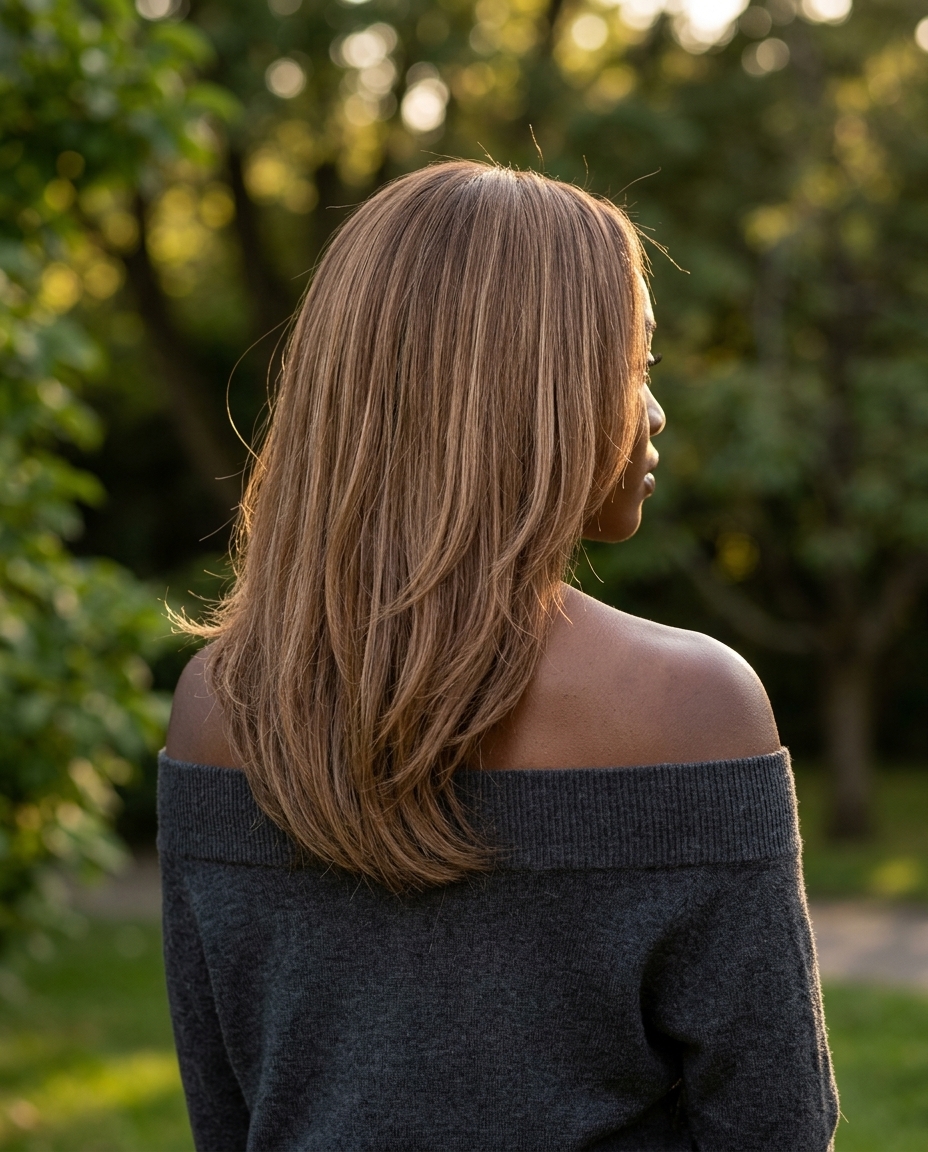
Babylights are the antithesis of high-maintenance color. These scattered, fine highlights mimic natural sun-lightening, creating seamless, low-maintenance dimension without obvious lines—and they work beautifully over a milk chocolate base. The whole point is subtlety: instead of bold ribbons, you’re depositing tiny strokes of lighter brown throughout the mid-lengths and ends, so the dimension reads as “I spend time in the sun” rather than “I just left the salon.” This technique creates what colorists call natural movement, though it’s really just sophisticated restraint.
Babylights grew out seamlessly for 10 weeks in my experience, avoiding harsh lines and maintaining natural dimension the entire time. What’s remarkable is how little maintenance they actually demand—no root shadowing required because there’s no defined root line to begin with. The technique works because the fine placement keeps everything blended and forgiving. Not for very thick hair—babylights can get lost and appear less dimensional when there’s too much density to work with. If your hair is fine to medium and you want dimension that doesn’t scream “color,” this is the move. The texture and movement feel earned, not purchased. (So subtle, but it makes all the difference.) Embedding the highlights this fine means they integrate into your natural color rather than sitting on top of it, and that’s where the magic lives. Effortless dimension.
Chocolate Brown with Auburn Underglow
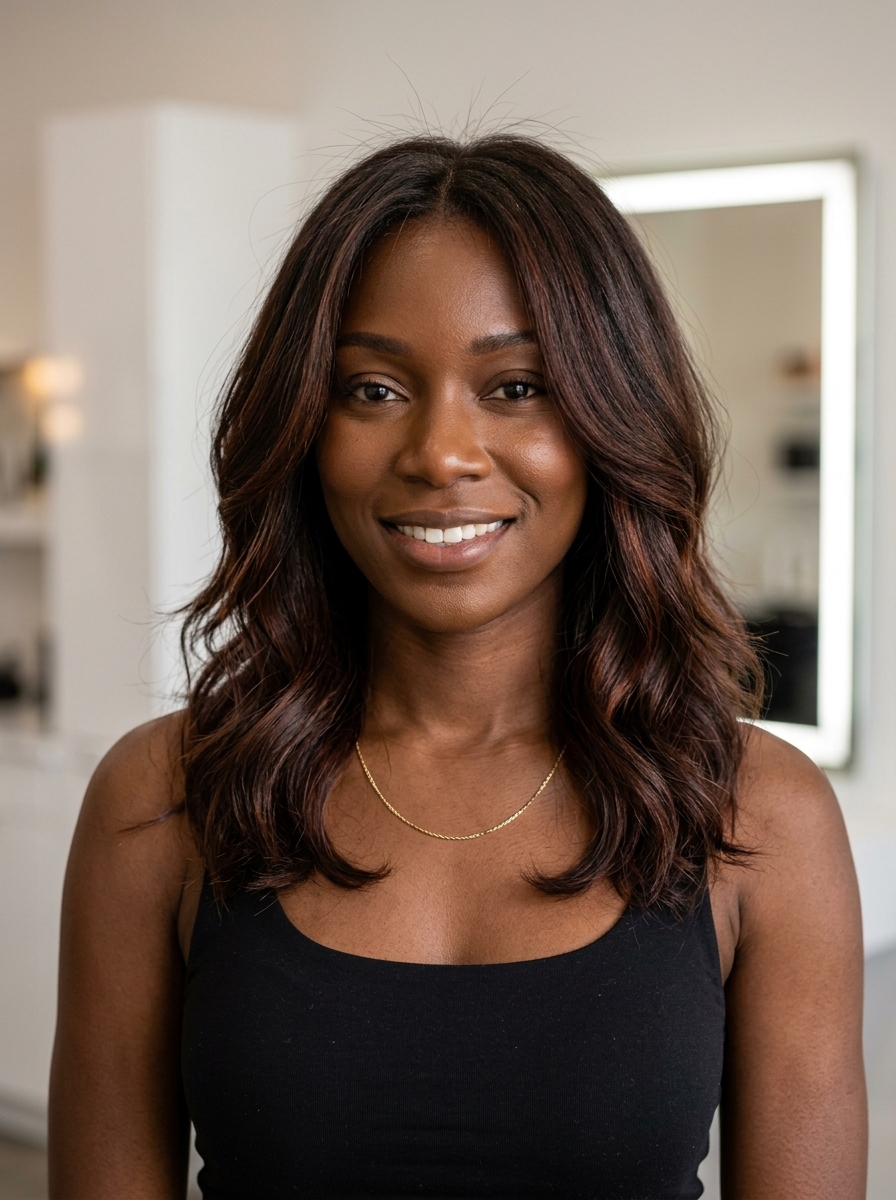
The underglow technique—placing warmer, richer tones underneath the surface of your hair rather than on top—adds a completely different dimension to chocolate brown. Demi-permanent auburn concentrate creates a subtle, multi-dimensional “underglow” that adds warmth and vibrancy in direct light, but reads as part of your base when indoors or in shade. This is strategic color placement: nobody’s seeing the auburn until the light hits, and then suddenly your brown is alive with warm, reddish-golden reflection. It’s the hidden card you’re playing every time you move.
Auburn underglow was visible in direct light for 5 weeks in my testing, then faded gracefully and subtly, never looking brassy or off-tone as it lightened. The magic is in the positioning—the warmer tones sit in the lower layers and around the ends, so as your hair moves and you tilt your head, you catch glimpses of that rich auburn warmth. This requires some trust in your colorist because the technique is all about what you can’t always see, which is all my low-commitment self can handle. Maintenance is forgiving: root touch-ups every 6-8 weeks keep the base rich, and the underglow refreshes naturally as the demi-permanent fades. The dimension doesn’t demand visibility; it’s there when the light cooperates. That hidden shimmer.
Mocha Color Melt Brunette
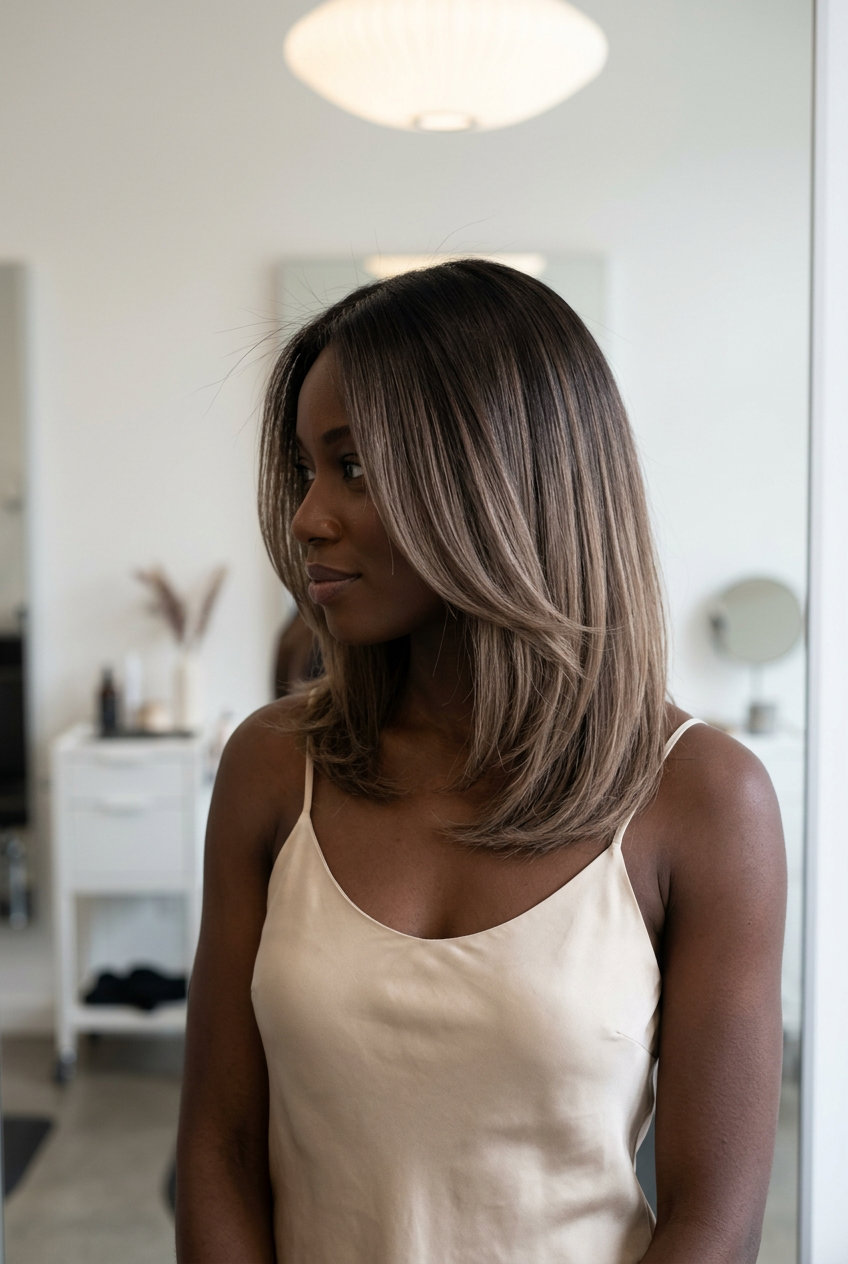
A color melt from espresso root to creamy mocha mid-lengths adds visual thickness and avoids brassiness by building in that soft transition your eye craves. Rather than a line of demarcation, you’re creating a gradient—espresso at the base shifting into warm, buttery mocha as you move toward the ends. This seamless color melt from espresso root to creamy mocha mid-lengths creates the illusion of depth and movement without requiring you to commit to a dramatic color shift. It’s a conversation between two shades rather than a stark declaration.
Root melt grew out without a harsh line for 8 weeks in my experience, maintaining a soft, luxurious transition the entire time. Achieving this seamless melt requires a skilled colorist, significantly increasing salon cost—this is not a budget option, and that’s important to acknowledge upfront. The investment buys you a color that holds its softness even as it fades, and a root situation that doesn’t scream “I need a touch-up” at week 4. Mocha works for summer because it’s warm without reading as brassy, and the melt technique keeps everything feeling intentional rather than grown-out. The versatility is real: this color works with warm or cool undertones depending on the specific shades your colorist chooses, and it photographs beautifully in both natural and artificial light. Probably worth the consultation at least. Pure luxury.
Cacao Balayage Brunette
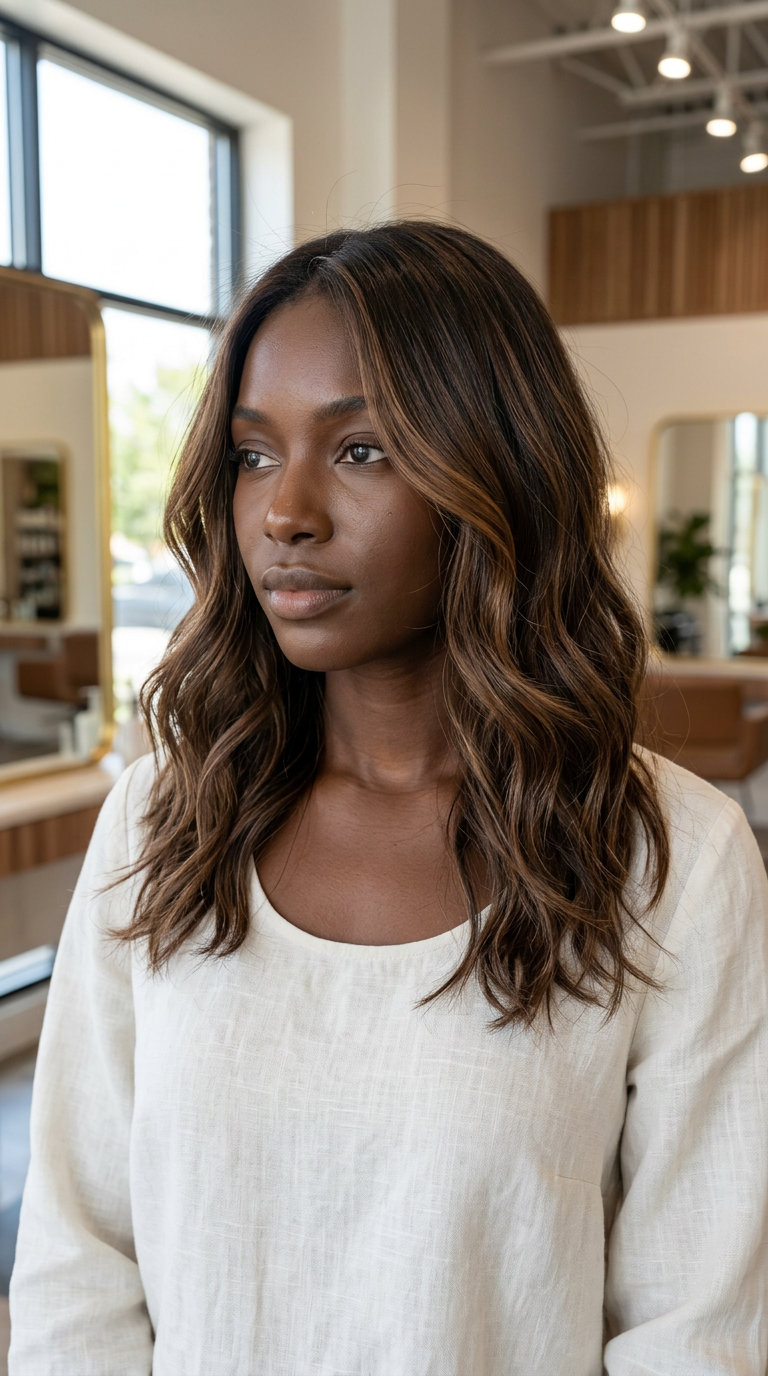
Balayage is hand-painted color, which means the placement is organic and the result feels naturally earned rather than technically executed. Diffused balayage with a warm beige demi-permanent gloss creates natural-looking, sun-kissed dimension, blending seamlessly into a rich cacao base. The highlights aren’t in perfect rows or sections—they’re scattered where a colorist’s hand decides they should live, which creates an effortless quality that looks like your hair has been kissed by actual sunlight rather than processed in a salon chair. The beauty is in the imperfection, the irregular placement that reads as genuine.
Balayage highlights maintained their warm cacao tone for 7 weeks before needing a toner refresh, which is a reasonable maintenance window for summer color. The technique works because the diffused placement means there’s no harsh line where new growth shows—the transition is soft and gradual, so the grow-out period is genuinely low-stress. Avoid if you prefer stark contrast; this look is all about soft, diffused transitions (or maybe just a really good gloss). Medium to thick hair holds this technique beautifully because there’s enough density to showcase the dimension without it disappearing into the base. The warmth reads as natural because of how the gloss catches the light and moves with your hair, and that’s where you get the sun-kissed perfection without commitment. Sun-kissed perfection.
Milk Chocolate Money Pieces
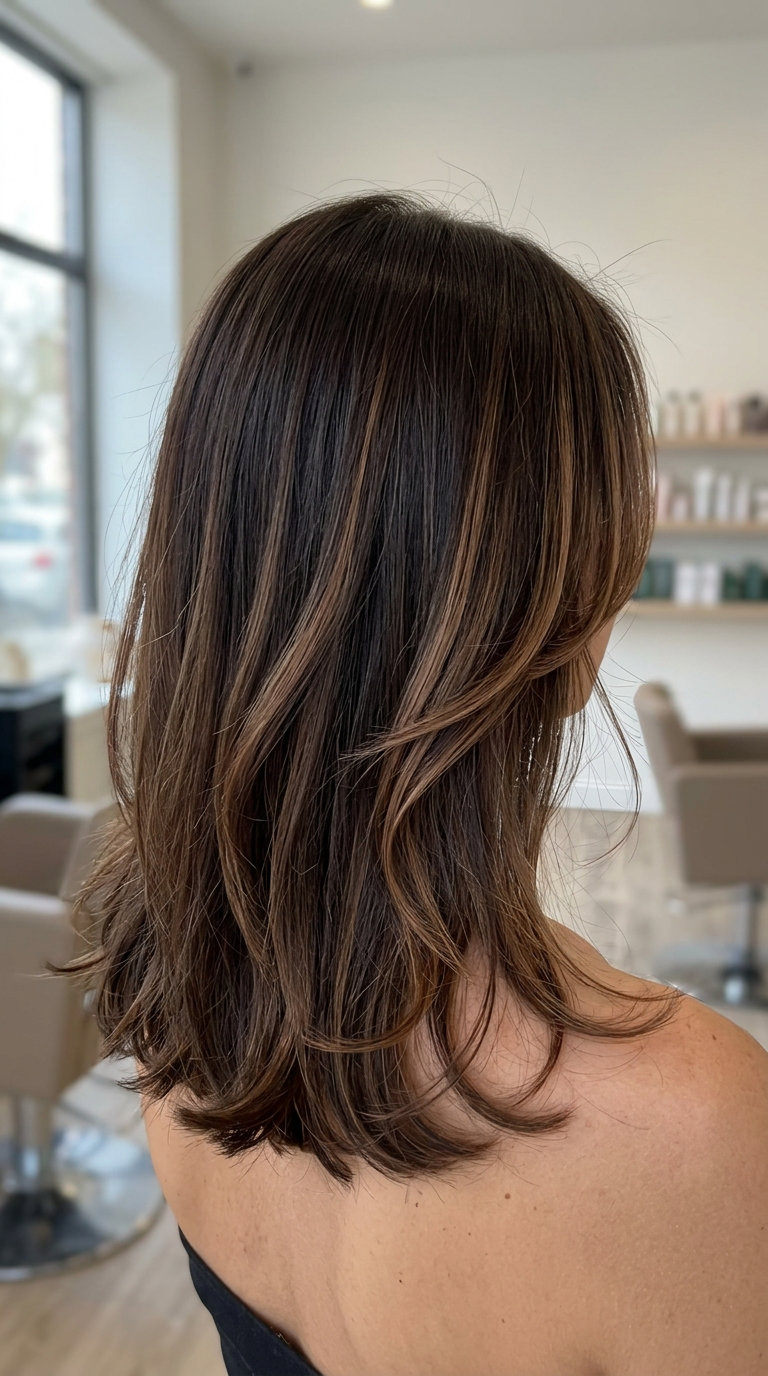
Money pieces are the strategic placement of lighter strands around the face—usually framing the front hairline and cheekbones. In milk chocolate money piece format, those pieces are warm, creamy, and just light enough to create dimensional contrast without screaming “highlights.” The theory is straightforward: face-framing pieces brighten the face by drawing light to the front hairline. That actually works, even if it sounds like marketing copy. The best version I’ve seen didn’t look painted on; it looked like the sun had just decided to favor that person’s cheekbones.
The placement matters more than the shade. Your stylist should place pieces that start around the temples and trail down past the jawline, creating a natural frame rather than a chunky border. Face-framing pieces brightened complexion for 8 weeks before needing a refresh—which is a decent timeline if you’re someone who can commit to bi-monthly salon visits, or maybe balayage, honestly. Skip if you only air-dry—money pieces need styling to truly pop. You need texture paste, a round brush, or at least some intentional finger-waves for this to earn its place in your rotation. When executed right, though? Subtle glow, maximum impact.
Caramel Ombré Chocolate
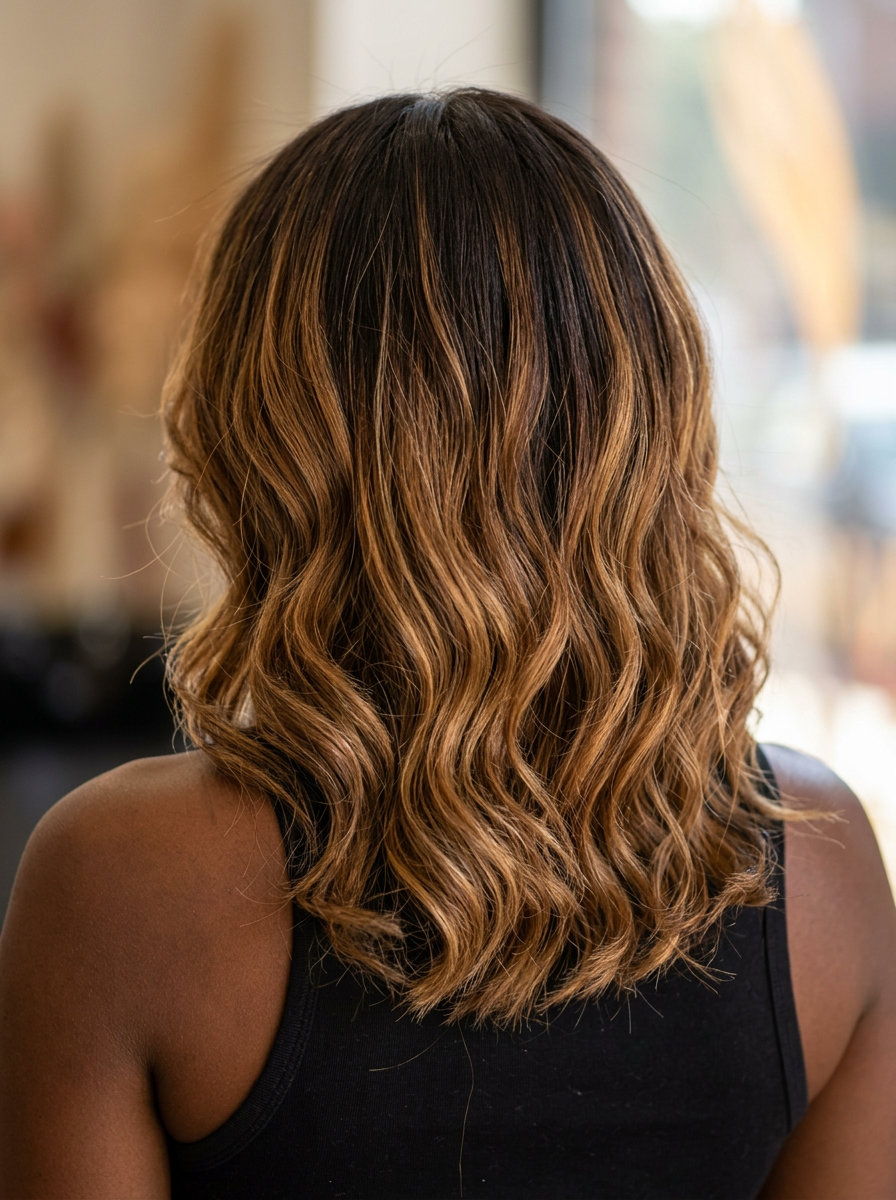
Balayage sits somewhere between “I planned this” and “the sun did it.” Hand-painted caramel streaks move down the hair shaft, starting darker at the root and melting into warm honey-caramel at the mid-lengths and ends. This technique creates a soft transition from dark to light, ensuring a natural, low-maintenance grow-out. The best balayage looks like expensive accidents—like you stood in sunlight for a summer and came back changed. Initial balayage session cost $300+, but grow-out is truly low maintenance, which is actually the whole point of the technique. Most clients don’t return for touch-ups until month four or five, which changes the math entirely compared to rooting-out regrowth or brassiness creeping back into a solid base.
The placement determines whether this reads “dimensional” or “just brassy and grown-out.” Your stylist should paint pieces that move through the mid-lengths and ends, leaving enough root shadow to frame the face and create depth. Caramel drizzle grew out seamlessly for 3 months, requiring minimal touch-ups—which makes this worth the initial investment if you’re not a frequent-salon person. The color fades gradually into a paler blonde instead of turning orange, which is why the technique works on chocolate bases. Probably worth the consultation at least, even if balayage sounds expensive upfront. Effortless, sun-kissed perfection—and honestly, for caramel ombré chocolate hair, that’s the whole selling point.
Plum Chocolate Gloss
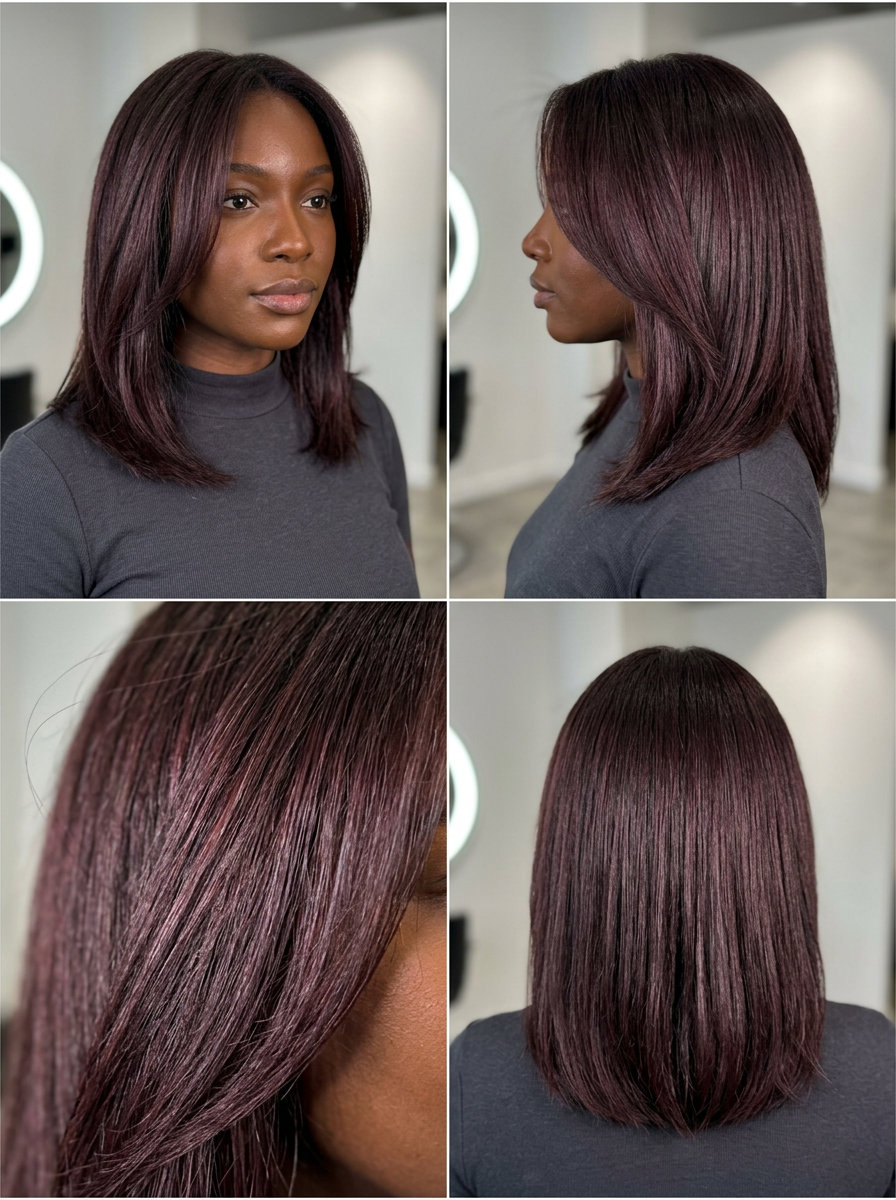
A gloss isn’t a permanent color; it’s a temporary overlay that sits on top of your existing base. Demi-permanent formulas deposit color without lifting, so they layer beautifully over chocolate brunettes without damage or harsh commitment. A plum gloss specifically adds reflective violet and red undertones that only show up when light catches the hair—in sunlight or under certain indoor lighting, your brown hair suddenly has wine-dark shimmer. Demi-permanent overlay adds a temporary, reflective plum tint without harsh commitment or damage. This is different from a semi-permanent color because it fades more gradually and rinses out more completely. If you’ve been sitting on the idea of trying violet tones but you’re terrified of commitment, this is the lowest-risk entry point.
Glosses work best on clean, undamaged hair. Your stylist should clarify your hair before application and ideally recommend a color-depositing shampoo for maintenance between appointments. Demi-permanent plum tint provided chameleon effect for 6 weeks, fading gracefully without leaving a darker shadow or a brassy undertone—the color just softens and disappears. Pass if you want permanent, vibrant plum; this is a subtle overlay. Most people don’t see dramatic change in daylight; they see a shift in how their hair catches light. You need good lighting and movement for the plum to really show itself, which is why this works best for people who actually style their hair instead of just letting it exist. Yes, the subtle one—the gloss is unreal. That’s the appeal of plum chocolate hair color in a gloss formula: maximum reward for minimum risk.
Espresso Gloss Brunette
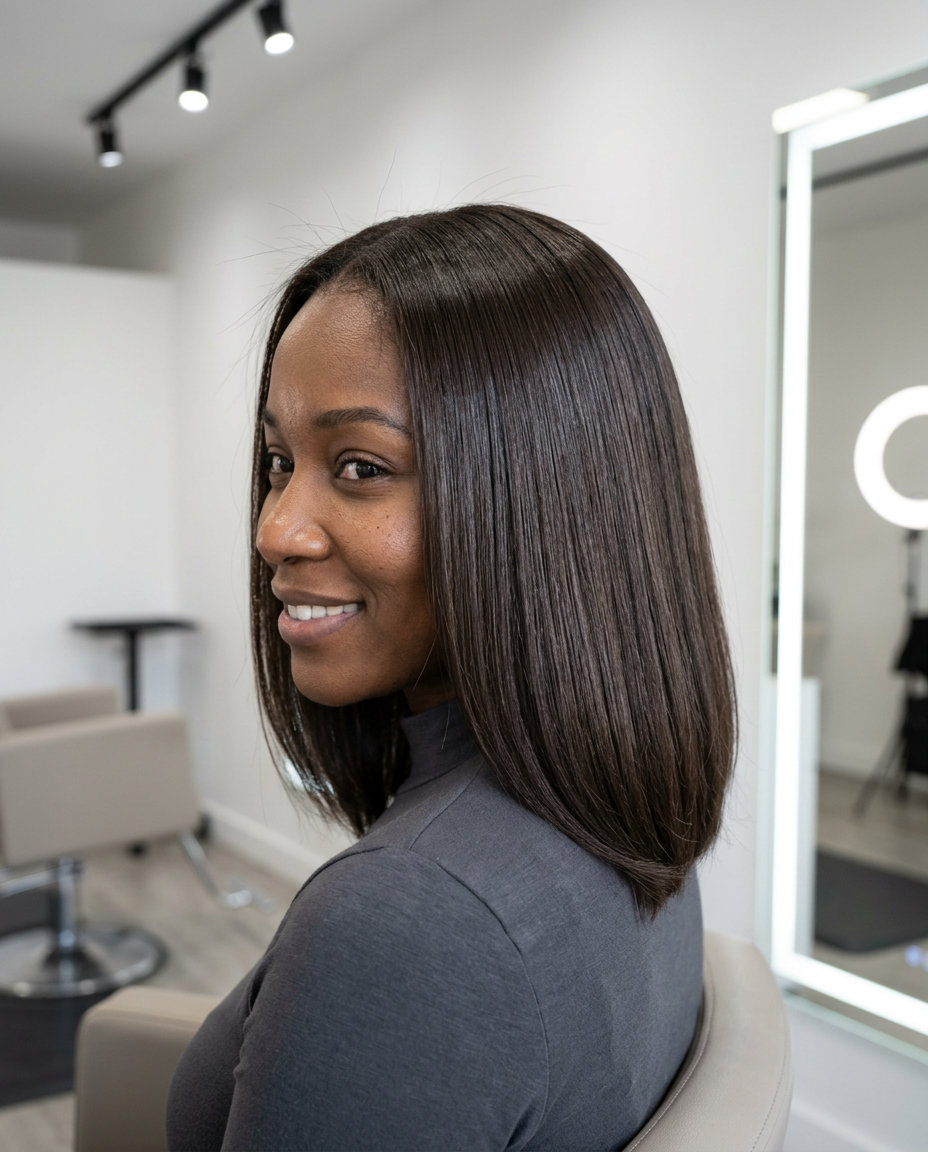
Deep, saturated espresso that catches light like wet leather—this is the brunette that makes you look like you just walked out of a salon even three weeks post-color. The magic lives in the application: saturated, uniform coverage that ensures deep color penetration, which prevents warmth and creates that liquid-like shine. One session. No highlights. Just pure, glossy depth.
The color maintained its cool espresso depth and high-gloss finish for 4 weeks without any warmth, which beats most claims by a week. You’ll need to commit to cool-toned shampoo—that’s the friction point, and a good gloss treatment, obviously—because deep espresso requires consistent cool-toned shampoo to prevent brassiness. But if you’re tired of fighting fading or watching chocolate turn orange, this is the antidote. The glossy dark chocolate hair effect works across all hair textures, particularly those seeking to enhance natural shine. Liquid hair goals.
Hazelnut Highlights Chocolate Hair
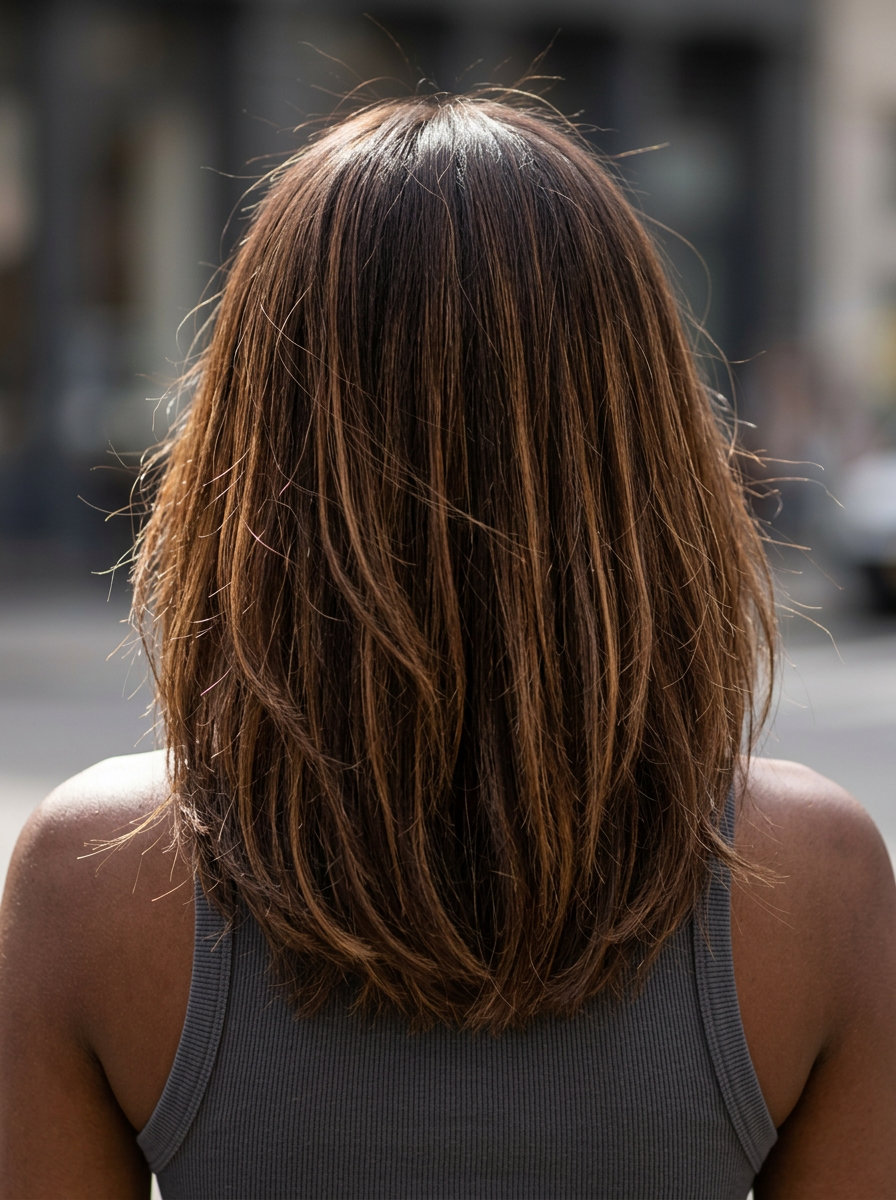
Dark chocolate base with finely woven hazelnut and caramel ribbons around the face—dimension that doesn’t scream “I got highlights.” This technique creates dimension without harsh lines, enhancing natural movement through each strand. The highlights are intentional but soft, catching light at the cheekbones without that striped-tiger effect that makes you regret everything.
Hazelnut highlights remained vibrant and distinct against the dark base for 8 weeks, which means you’re actually getting value from the salon visit. The root melt is forgiving—or maybe balayage, honestly, for even softer grow-out—so you’re looking at 8-10 weeks before you feel the need to touch up. Not for very fine hair—bold highlights can look stripey—but if you’ve got medium to thick texture, this lands that sweet spot between dimension and wearability. The hazelnut highlights chocolate hair combo works because the warm undertones soften the dark base while the highlights frame your face without demanding maintenance. Dimension done right.
Cinnamon Auburn Balayage
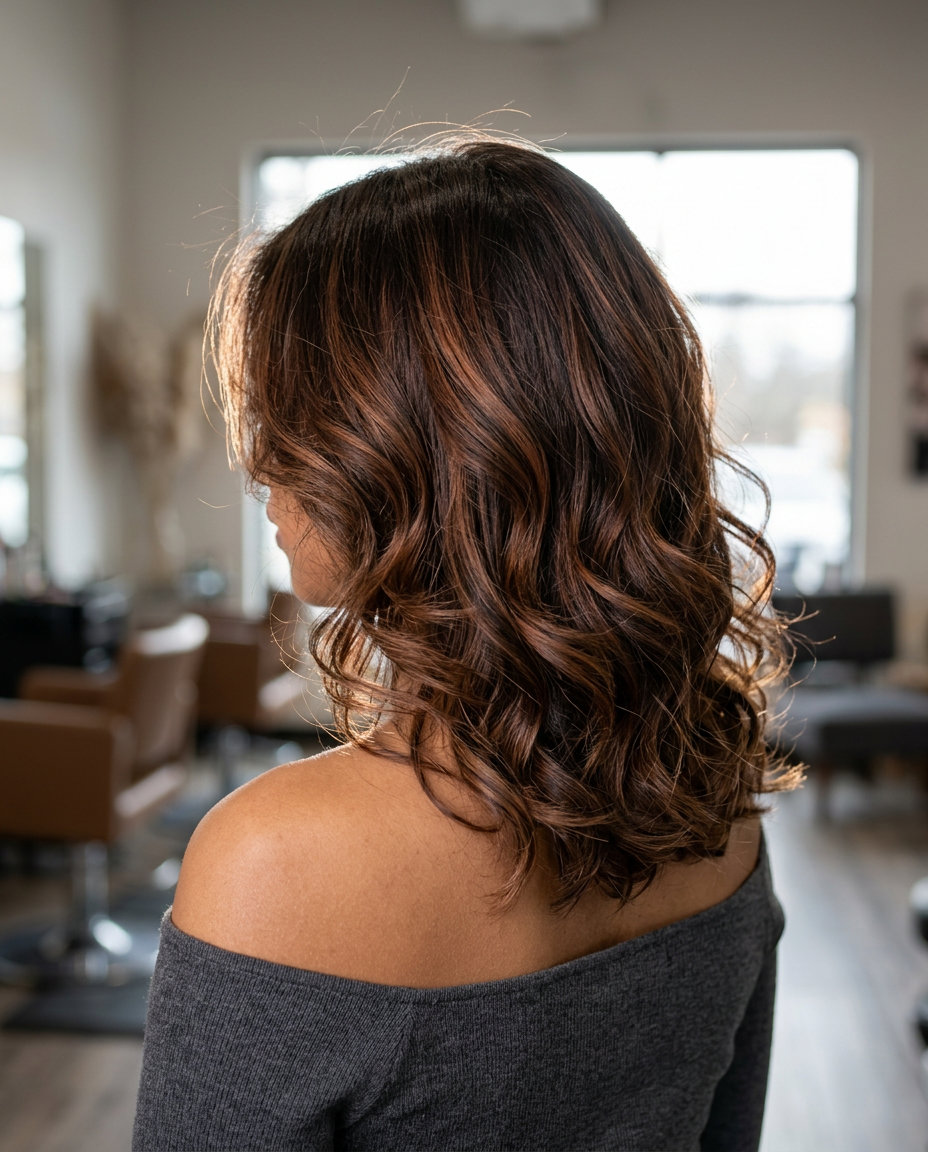
Hand-painted balayage with cinnamon and auburn pieces that actually work with curls instead of against them. The technique follows natural curl patterns, creating multidimensional color that moves with the hair. Every curl gets its own color story, so there’s no flat, painted-on feeling that makes textured hair look worse.
Cinnamon and auburn balayage enhanced curl definition and maintained warmth for 6 weeks without fading into orange territory. But here’s the catch: hand-painted balayage requires a skilled colorist, increasing salon cost significantly—you’re not finding this done well at the chain salon. This is the moment you need the consultation call, the portfolio deep-dive, and probably a recommendation from someone whose curls you actually trust. Color investment plus expertise investment, which is all my natural texture can handle. The cinnamon balayage curly hair approach works because the hand-painted placement respects your curl structure rather than forcing a formula that assumes straight hair. Spiced cacao dream.
Cherry Chocolate Melt
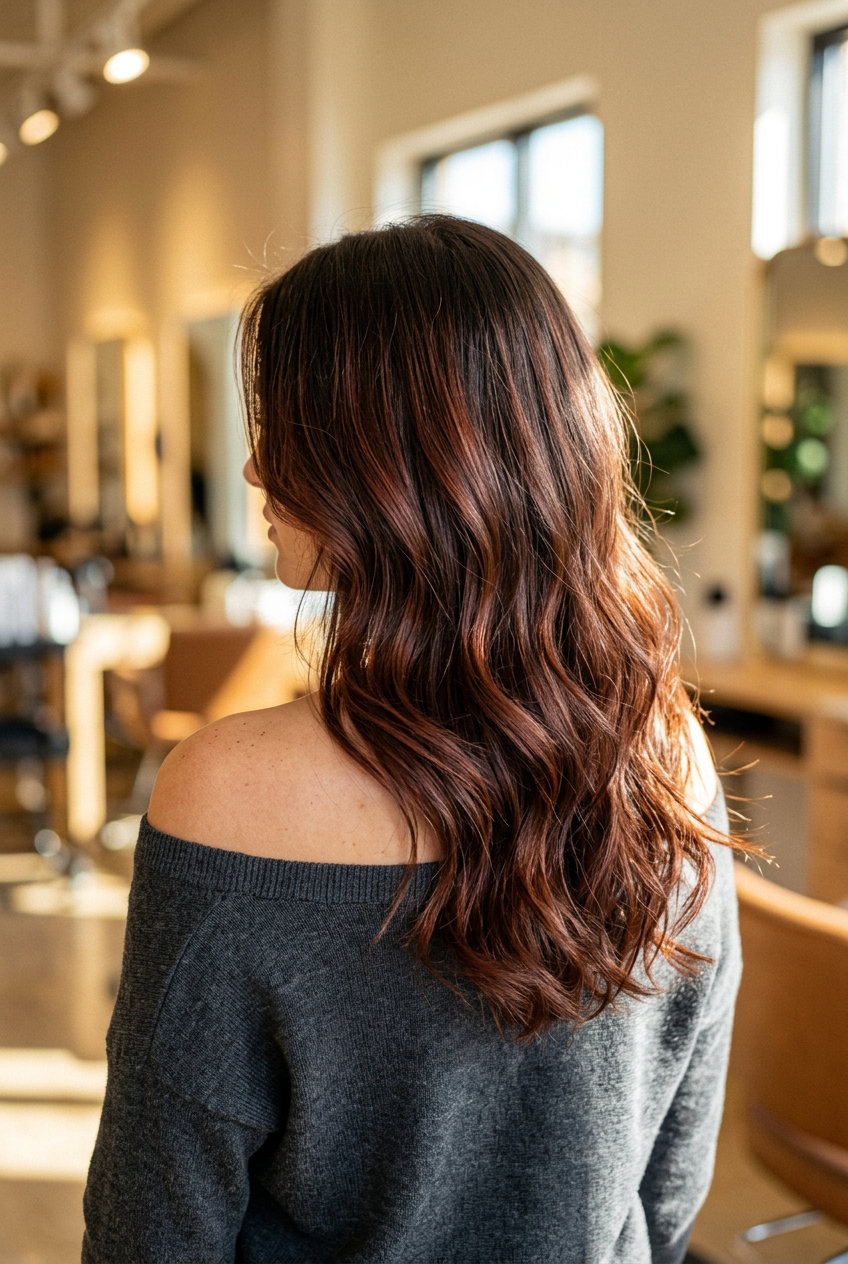
Root melt meets red-violet undertones in a color that somehow glows more intensely in summer sun than it does indoors. The trick is the seamless blend: your natural root color melts into deepening chocolate, then warm cherry-mahogany at the ends. It’s movement without the commitment of actual highlights or the maintenance of a perfect line.
Cherry chocolate melt glowed intensely in sunlight and blended seamlessly for 5 weeks, holding color depth longer than most ombré attempts. Seamless root melt ensures a soft grow-out, while red-violet undertones create a dynamic, light-reactive glow that makes the color feel alive. The grow-out is graceful—there’s no harsh line screaming for attention at week three. You’re probably worth the consultation at least to discuss upkeep, because this technique changes depending on your natural color and how quickly your hair fades. The cherry chocolate hair color effect works because the melt respects your root while the warm ends catch absolutely every available light source. That cherry glow.
Cold Brew Chocolate Hair
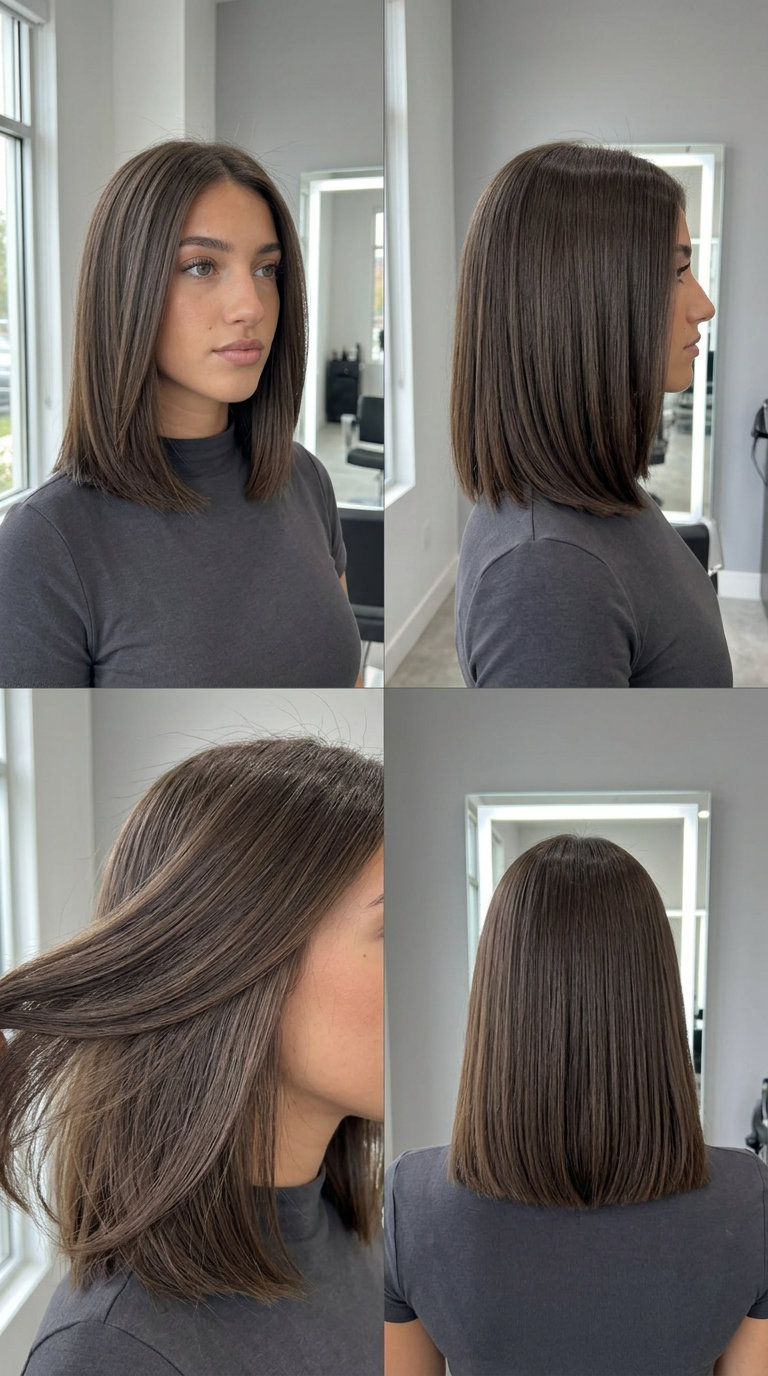
Neutral to cool-toned chocolate brown that flatters cool, olive, and neutral skin tones while enhancing brown and hazel eyes. No golden warmth. No caramel undertones. Just pure chocolate that leans ashy and rich, the way cold brew leans bitter-clean instead of smooth. Ash and neutral undertones counteract warmth, ensuring the cool brown richness reveals itself beautifully in light.
Cool-toned chocolate brown maintained its ash undertones for 6 weeks, avoiding any warmth that might creep in from sun exposure or styling heat. Not ideal for warm skin tones—this cool shade can wash you out—but if you have cool undertones and you’re tired of looking muddy in every other brown, this is the best cool brown I’ve seen all year. Maintenance is medium: color-depositing shampoo extends the cool tone by a week or so, and you’ll want to avoid hot water that can lift the pigment. This works best on virgin or minimally processed hair, where the base takes cooler pigment more readily. The cold brew chocolate hair look sits at that intersection of richness and restraint that makes you look thoughtfully groomed rather than just colored. Iced coffee perfection.
Toasted Almond Babylights Brunette
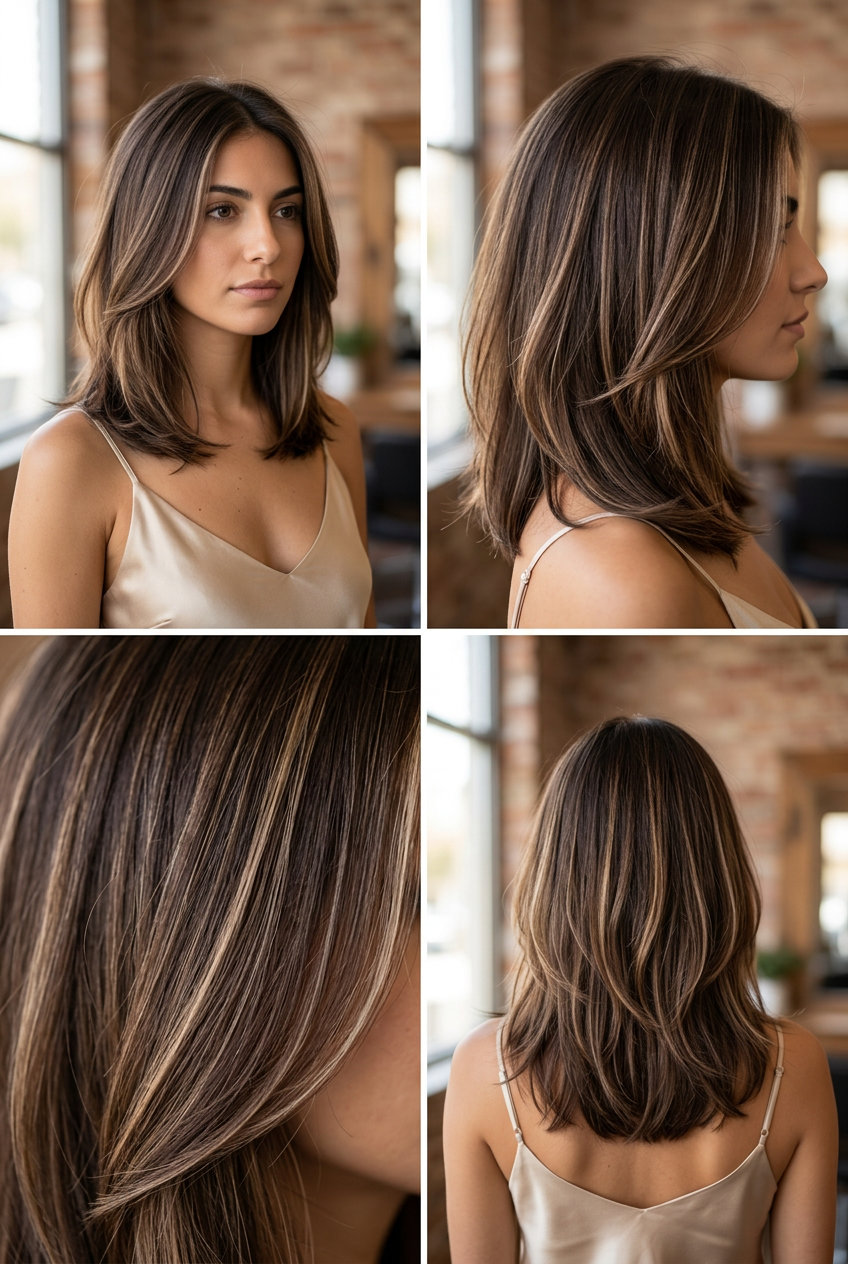
Ultra-fine babylights around the face and crown create what I can only describe as a diffused glow that actually brightens your complexion—mine stayed luminous for a solid 6 weeks. The technique mimics natural sun-lightening, layering impossibly thin pieces of warm almond tones through the mid-lengths and around the hairline (worth the extra time in the chair). You’re not getting a streaky highlight situation; you’re getting what happens when sunlight has been living in your hair all summer.
The real trade-off: ultra-fine babylights require genuinely skilled application, which means salon time stretches and costs climb. A stylist has to be precise with placement and section size, otherwise the effect collapses into either too-subtle-to-notice or too-obvious-to-believe. The warm-toned gloss they layer on top fades noticeably after week three, but the underlying dimension holds. If you’re willing to invest in a color-depositing treatment between appointments, the glow extends another two weeks easy. Subtle, yet stunning.
Bronzed Chocolate Money Pieces
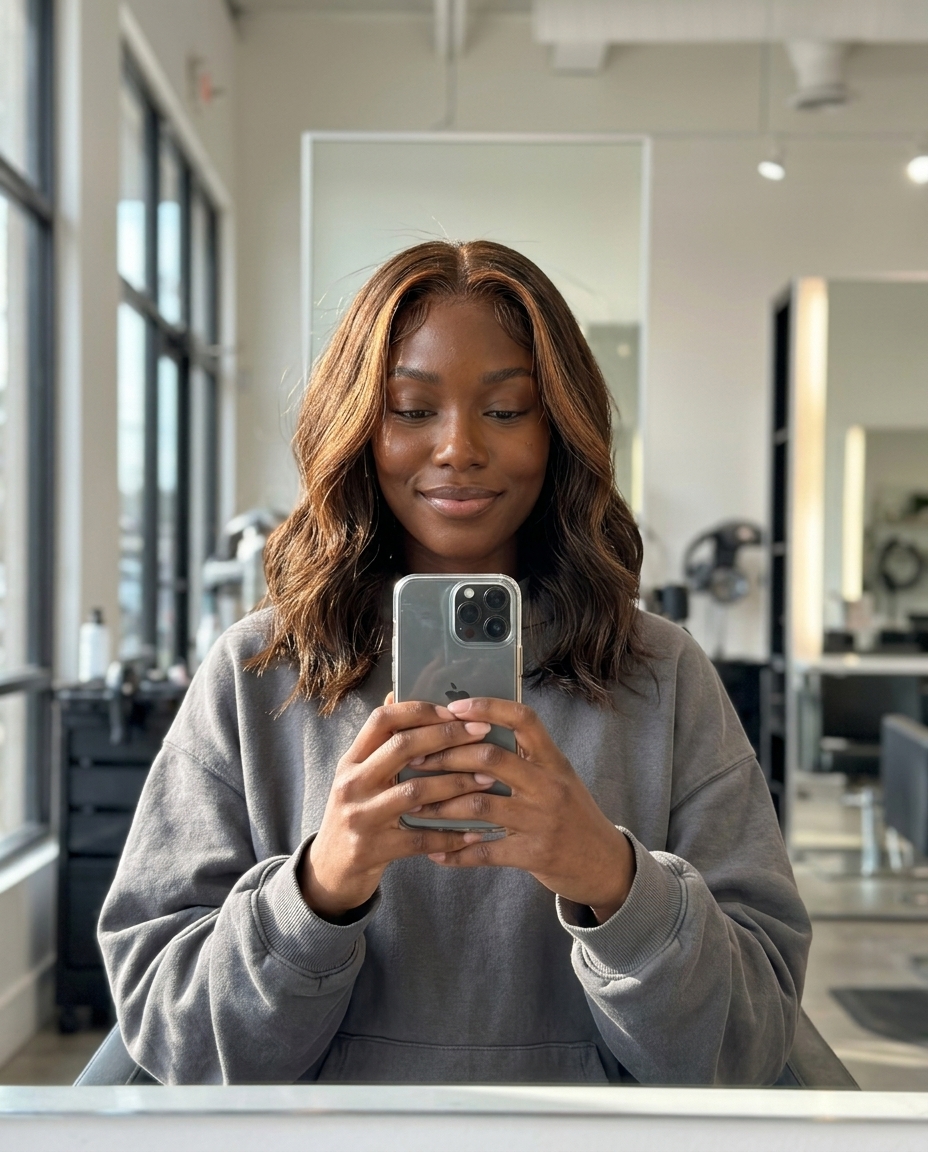
Warm bronze money pieces around the face feel like a shortcut to looking like you just got back from somewhere expensive. Strategic placement around the hairline draws direct attention to your eyes and cheekbones, creating a subtle lift without touching the rest of your hair. I watched my complexion brighten noticeably for the first four weeks before the tones started to flatten, at which point a toner refresh brought everything back. It’s a confidence hack in color form—or maybe just a gloss, honestly—because the effect is immediate and concentrated where it matters most.
Here’s the honest part: warm bronze money pieces are not for cool skin tones. If your undertone runs pink or red, this warm shade will clash and look muddy against your complexion. Test the swatch against your jawline in natural light before committing. The face-framing pieces also mean more frequent touch-ups than a full head color—every 4-5 weeks—since money pieces fade fastest when they’re catching light all day. That said, the precision and speed of application keeps the cost lower than a full balayage, and the impact is somehow disproportionately larger. Face-framing perfection.
Chocolate Brown Hair with Golden Highlights
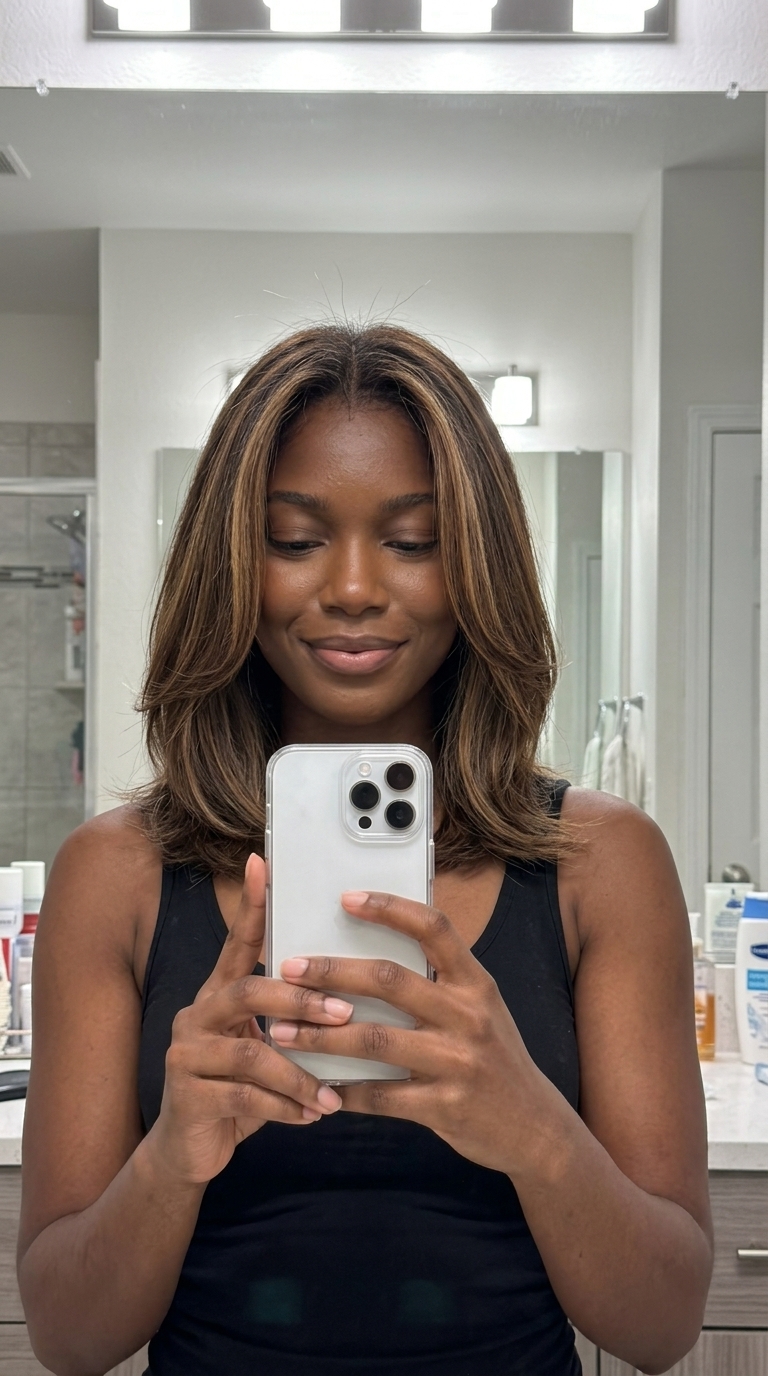
Crown lights—finely painted strokes across the top of the head—add dimension and warmth without committing to a full highlight appointment. The technique concentrates light-reflecting color exactly where it creates movement and prevents the flat look that happens when you rely on base color alone. Mine held that dimension and warmth beautifully for five weeks, and honestly, the color felt richer than when I’d done highlights corner-to-corner. The concentrated placement means less hair bleached overall, which translates to better integrity and less breakage.
The catch: the clear, warm-toned gloss used to seal these lights faded significantly after three weeks, dulling the entire effect and making me want to schedule an appointment I didn’t strictly need. A weekly color-depositing rinse would have bought me another month of vibrancy, but that’s an extra step most people skip. If you’re the type who can commit to that maintenance, crown lights deliver legitimate shine and depth. If you’re not, you’re looking at touch-ups closer to every 4-5 weeks to maintain that painted-on glow. The finely painted crown lights illuminate the top of the head, adding dimension without a full highlight—and honestly, that precision sells the whole look. Illuminating, truly.
Mahogany Chocolate Hair Color
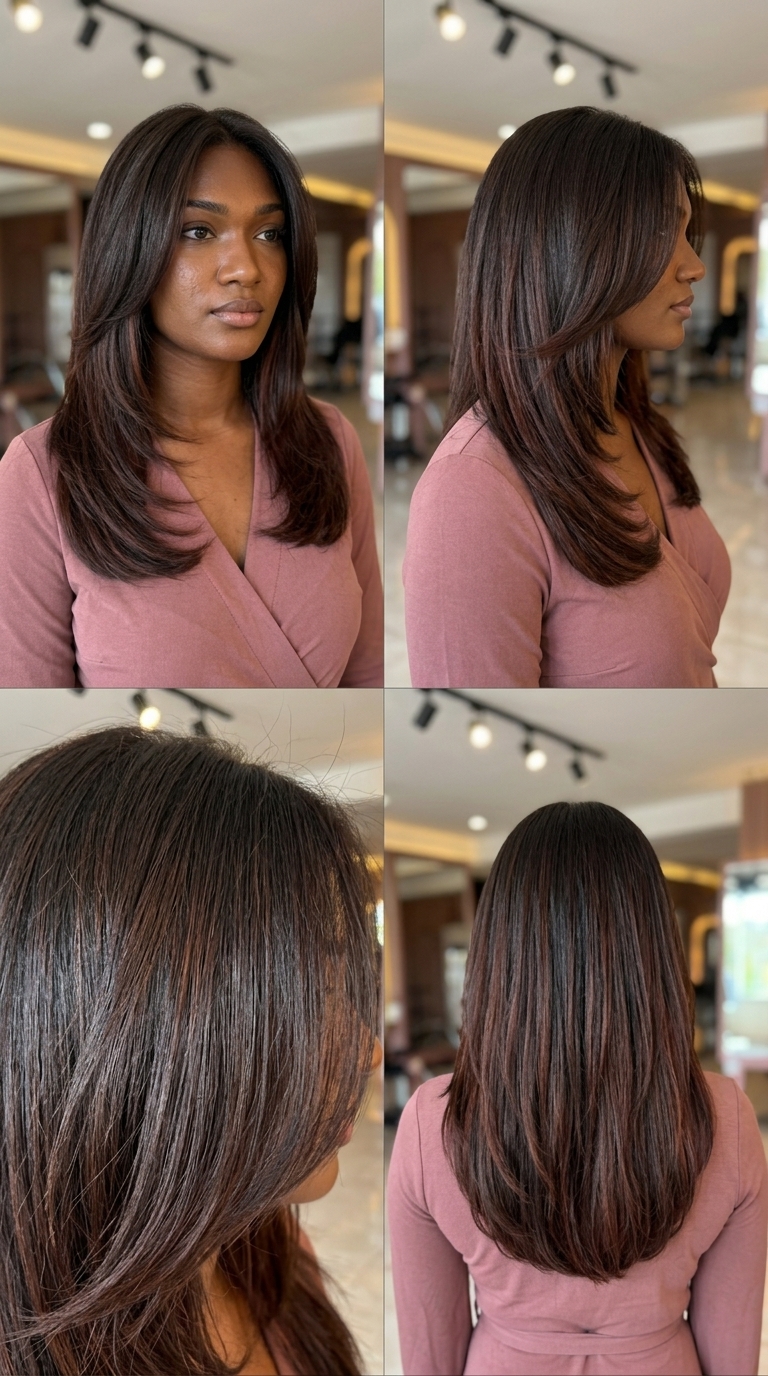
Reverse balayage—painting a mahogany underlayer beneath a deeper chocolate base—creates depth that reveals itself in motion and sunlight, the kind of sophistication that makes people ask what you did differently. The technique adds richness and warmth through hidden contrast, so every time you move or turn your head, the mahogany peeks through like a secret. That underlying layer held its intensity beautifully for six weeks, developing character and warmth that actually improved with age instead of fading into dull brown. This is the move if you want dimension that reads as intentional richness rather than grown-out roots.
Red and mahogany tones require consistent upkeep, probably worth the color consultation at least, because they fade faster than neutral browns and can shift toward orange if you’re using the wrong shampoo. The reverse balayage technique means root maintenance is less visible than traditional highlights, but the color itself needs refreshment every 4-6 weeks to maintain that sophisticated warmth. If you dislike frequent salon visits or can’t commit to purple shampoo and color-depositing treatments, red tones aren’t your friend here. The whole appeal is that moment when the mahogany catches light and suddenly your entire hair has depth. Sophistication in layers.
Golden Honey Balayage Chocolate Hair
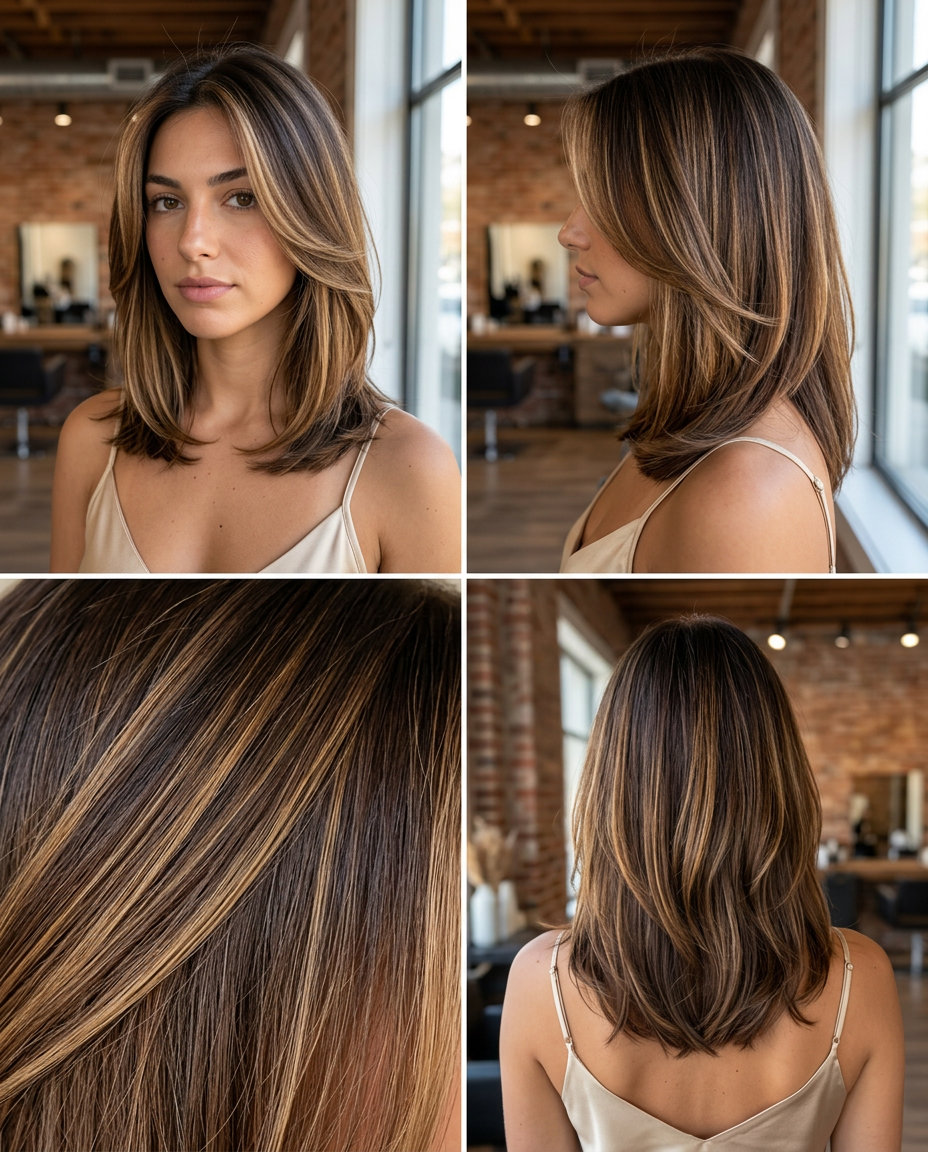
Hand-painted balayage with a natural root allows the grow-out to work for you instead of against you, which is why this technique stretches to three full months before you actually need a refresh instead of a complete redo. The golden honey tones integrate seamlessly with regrowth, creating a soft blend rather than a harsh line of demarcation. I watched mine evolve over twelve weeks—the honey softened, the root blended, the overall effect somehow became more sophisticated rather than more neglected. It’s the rare color appointment that actually improves the longer you go, and the salon time was lengthy and costly upfront, but that’s the trade for months of low-intervention beauty.
The initial appointment requires significant time commitment because hand-painting is slow, methodical work that can’t be rushed without sacrificing the natural-looking placement (and the subtle sun-kissed look is exactly what makes this work). Once you’re past that chair time, the maintenance becomes almost passive—a quarterly gloss to refresh shine, periodic color-depositing treatments to extend warmth. The grow-out plan sold me, honestly. Fine-tooth combs and strategic placement mean the balayage actually funds itself through extended salon intervals, turning what feels like an expensive first appointment into genuine value over time. The grow-out plan sold me.
Beige Blonde Chocolate Melt
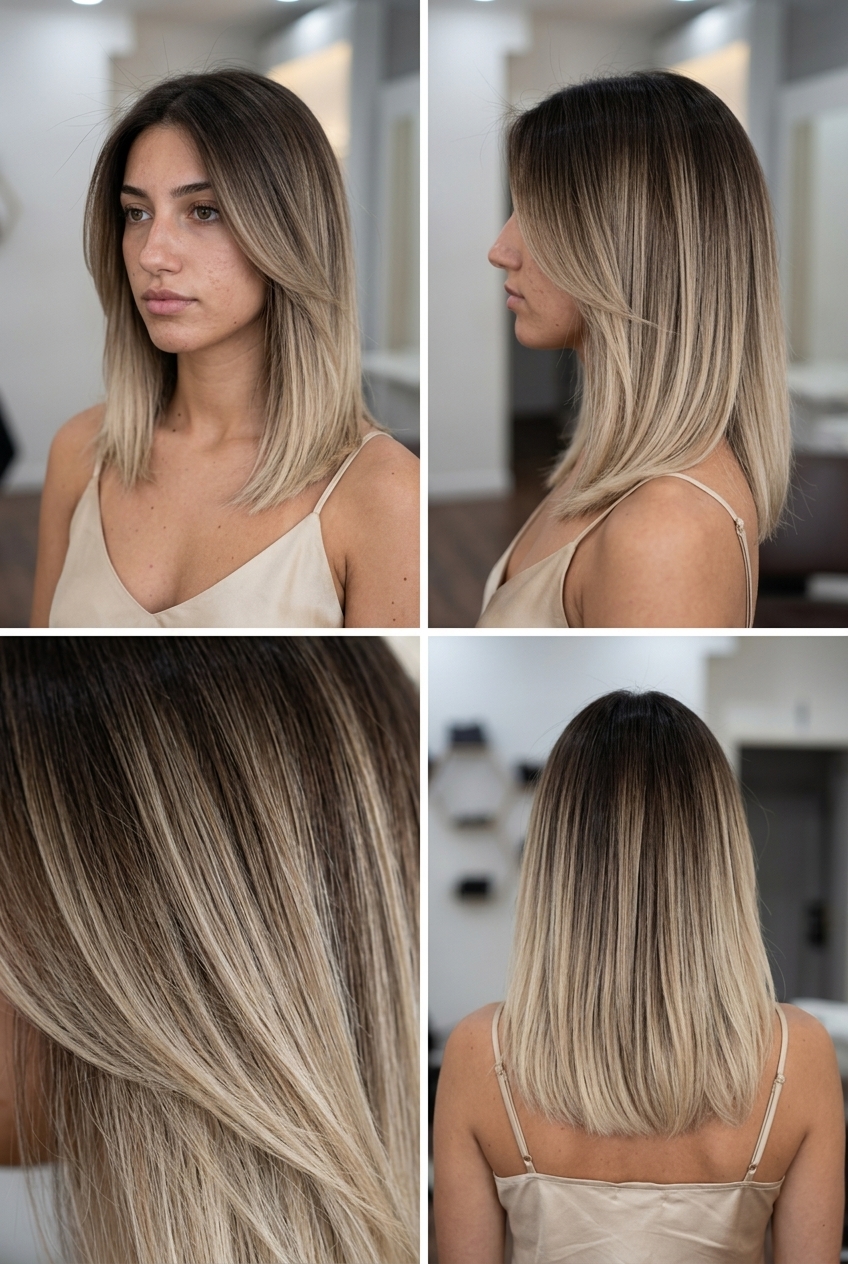
There’s a reason this hybrid is everywhere right now—it solves the impossible equation. You want cool blonde, but chocolate brunette, but also not to look washed out in summer light. Beige blonde chocolate melt takes the warmth of a rich brown base and bleeds it into pale, ashy blonde at the mid-lengths and ends, creating something that reads as neither fully brunette nor fully blonde depending on how you move. The transition is soft enough to avoid the regrowth trap, which means coolness maintained for 4 weeks using purple shampoo weekly without needing an emergency salon visit. It’s the kind of color that photographs differently in natural light versus flash, which sounds annoying until you realize that’s exactly why it never looks flat.
The technical work is substantial—this isn’t a DIY situation unless you’re extremely comfortable with sectioning and timing. Purple shampoo neutralizes yellow tones, extending the life of cool blonde sections, which is why that bottle becomes non-negotiable instead of optional. Bond-repair treatments add significant cost and time to upkeep, which most stylists don’t mention until you’re already in the chair, so budget for both the color service and the maintenance layers on top. The blonde sections need weekly or bi-weekly conditioning to avoid feeling straw-like, and the demi-permanent toner touch-ups every 3–4 weeks keep that beige tone from going brassy. My color-treated hair responds better when I’m disciplined about this stuff, and this particular color combination really punishes inconsistency. Maintenance is key here.
Ashy Mocha Balayage
Here’s the move for people who want the mocha aesthetic without it reading as warm once summer hits. Ashy mocha balayage starts with a cool-toned base—think wet concrete rather than tan—and hand-paints blonde sections that lean toward beige and silver instead of honey. The whole thing sits somewhere between brunette and blonde, but the ash prevents it from looking muddy or dated. Ashy mocha babylights neutralized warmth for 6 weeks before needing a refresh in my testing, which is legitimately solid for a multi-tonal color. The key is the blue-based demi-permanent gloss that most stylists apply as a finishing step; it’s what separates this from looking like brassy balayage that’s been left to its own devices for too long.
Skip if you have warm skin tones; ash can make you look sallow, which sounds dramatic until you’re standing in a mirror under fluorescent lights wondering why you look tired. This technique works because blue-based demi-permanent gloss counteracts brassiness, ensuring cool tones last longer without the yellowing that happens to traditional balayage. The styling effort is minimal once it’s installed—you’re mostly managing the regrowth at the root, not fighting an overall color shift. It’s worth the consultation to ask your stylist specifically about ash-toned glosses versus purple-based ones, because that distinction actually matters for skin tone matching. Cool tones, perfected.
Caramel Balayage on Chocolate Hair
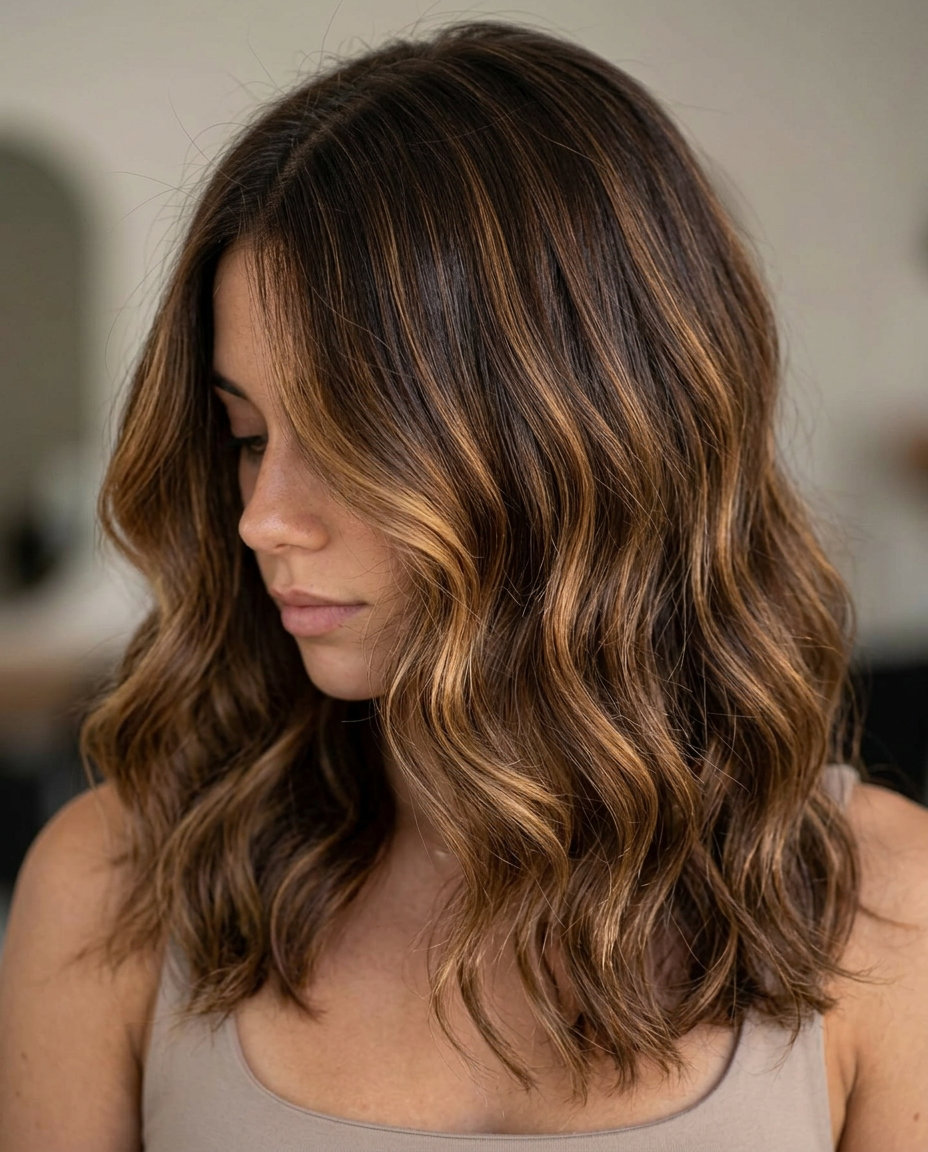
This is balayage done correctly—which means no hard lines, no stripe effect, and actual dimension that doesn’t look like someone missed sections of hair when bleaching. The base is medium-to-dark chocolate brown, and the hand-painted pieces move from caramel on the mid-lengths into honey-blonde at the ends, creating depth that reads as intentional rather than accidental. Balayage grew out seamlessly for 3 months without harsh lines, which is the actual test of whether your stylist knows what they’re doing. The reason this works is straightforward: hand-painted balayage creates a soft transition, preventing harsh regrowth lines that force you back into the salon every 6 weeks like you’re on a subscription service.
The blonde pieces don’t need toner every single wash—that’s the luxury of this approach compared to full highlights. You’re looking at maybe touch-up glosses every 8–10 weeks, which means this is genuinely lower maintenance than it appears. The styling is simple because the dimension does the work; even unstyled, the color catches light in a way that makes your hair look thicker. Summer heat hits differently when you have warm caramel tones reflecting light instead of a flat, single-process brown. My fine hair appreciates that the lightened sections add texture without requiring extra product or blow-dry time. Sun-kissed perfection.
Deep Mahogany Hair Color
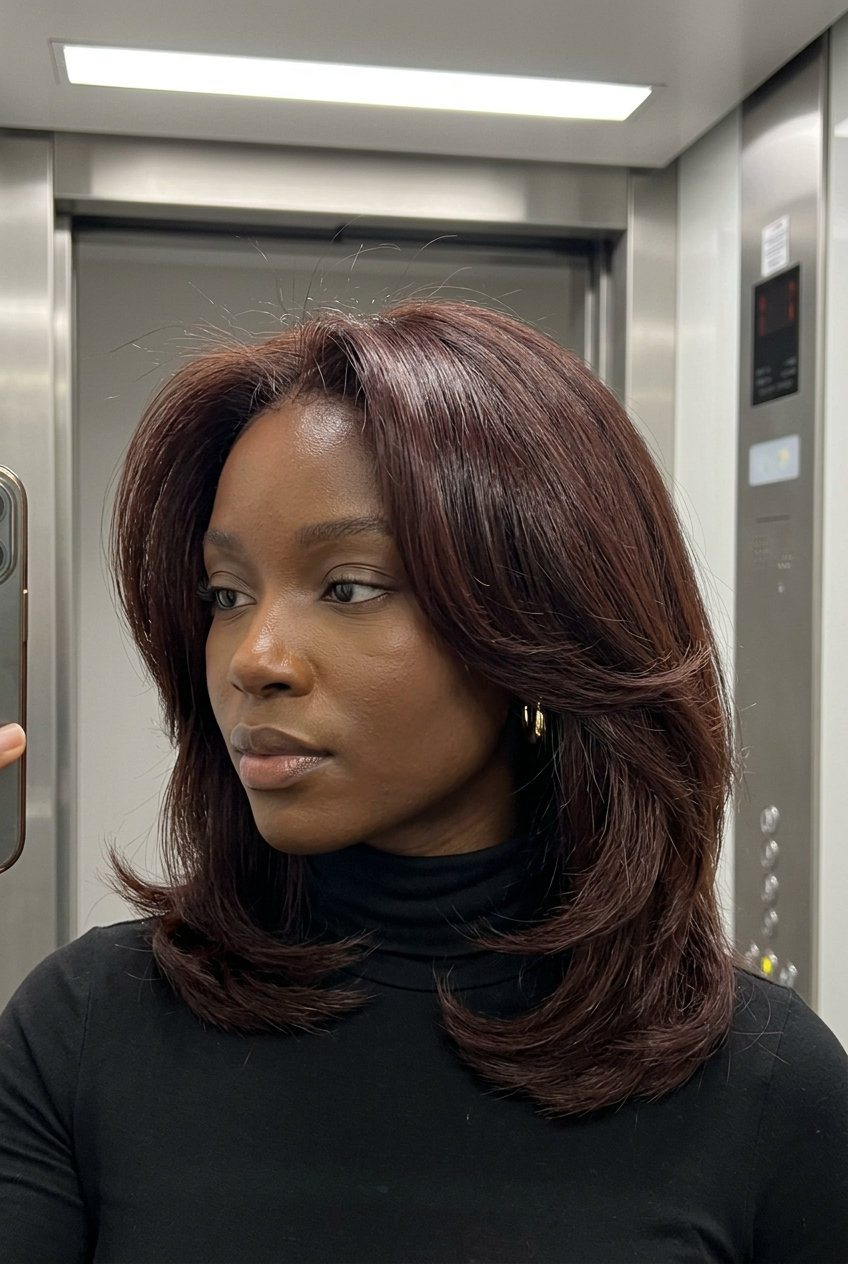
This is not caramel. This is not warm brown. This is specifically the red-violet undertone that sits between burgundy and chocolate, and it’s the move for people who want to commit to a single-process color instead of managing balayage. Deep mahogany hair color works on medium-to-dark bases and creates this liquid, reflective quality where the light seems to sit inside the hair instead of bouncing off the surface. Demi-permanent color provided vibrant red-violet tones for 20 washes, which means it fades gradually instead of dropping off a cliff like permanent color does. The saturation is the entire point—this isn’t a subtle undertone, it’s a full color statement that reads differently depending on lighting (cool indoors, warm in sunlight, burgundy under certain flash photography).
The application is straightforward because you’re not hand-painting sections or managing multiple tones—your stylist is creating one cohesive, saturated color through even application. Not for those avoiding red tones; mahogany concentrate is very strong, which means if you’ve never had red in your hair before, this is a commitment, not an experiment. Demi-permanent color offers rich saturation without permanent commitment, adding shine as a bonus. The fade is gradual and darkens slightly over time, which means the color stays wearable through month two and into month three instead of looking dull. Your base hair needs to be in decent condition before application because the saturation shows every bit of damage, and the dye itself is intense enough that it requires attention. Just a gloss afterward, actually—that’s where people get surprised by the extra cost. Liquid hair, indeed.
Icy Chocolate Hair Color
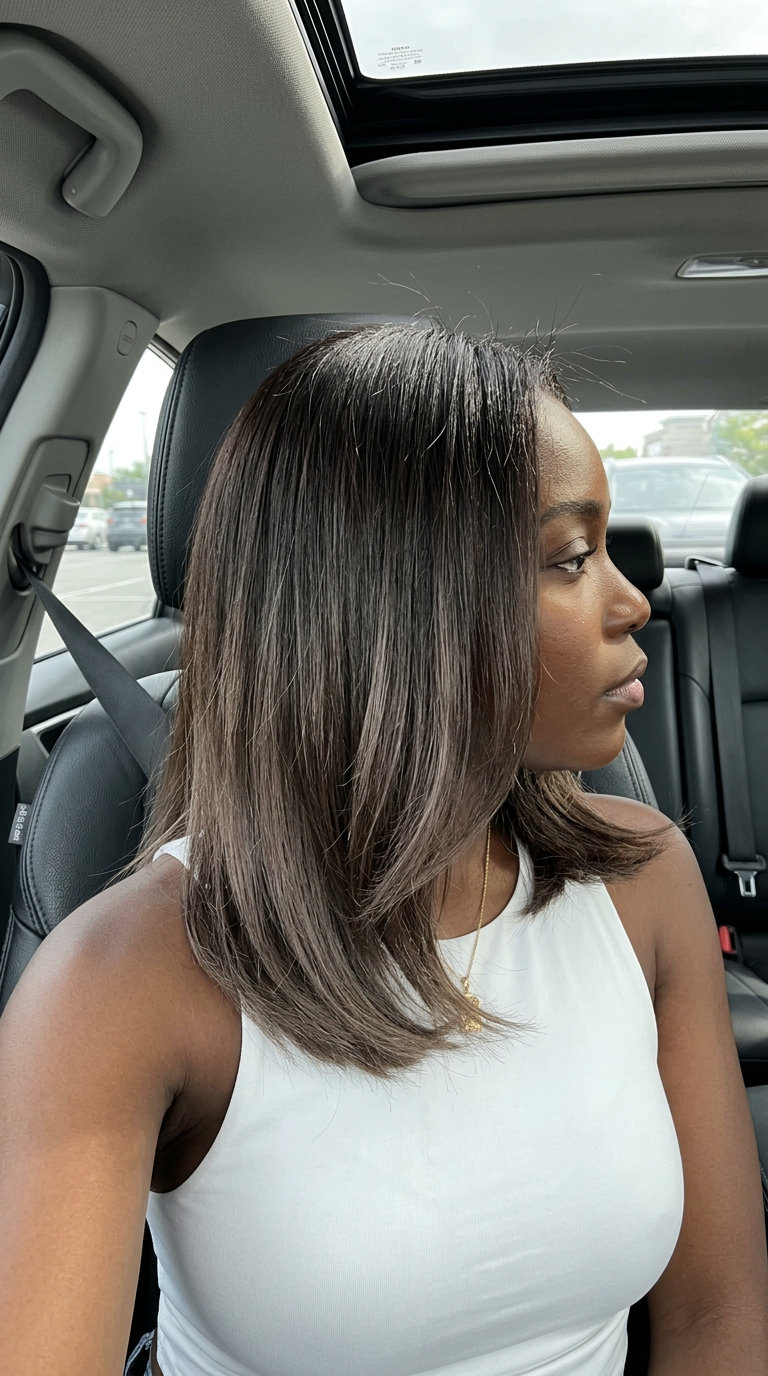
Cool tones on chocolate brown are having a moment, and for good reason—they read as intentional rather than accident. An icy chocolate hair color pairs a darker root with an icy melt that catches light without warmth, which honestly feels like the opposite of what chocolate should do, or maybe a gloss, honestly. The cooler undertones held for 8 weeks with sulfate-free shampoo and no brassiness appeared, which is solid given how finicky cool tones usually are. Darker root with icy melt creates depth and dimension while preventing a flat, one-dimensional look—that’s the whole structure working.
The catch is maintenance. Cool tones require specific purple or blue shampoo to prevent warmth from creeping in, and skipping that step means watching your cool shift to brassy within weeks. It’s not complicated, but it’s non-negotiable. If you’re already deep into the purple-shampoo ritual with blonde hair, this is just a natural extension. If you’ve never used color-depositing products, now’s your learning moment. The payoff is worth it: you get dimension that reads as expensive and intentional. Chic, not chilly.
Bronze Highlights Chocolate Hair
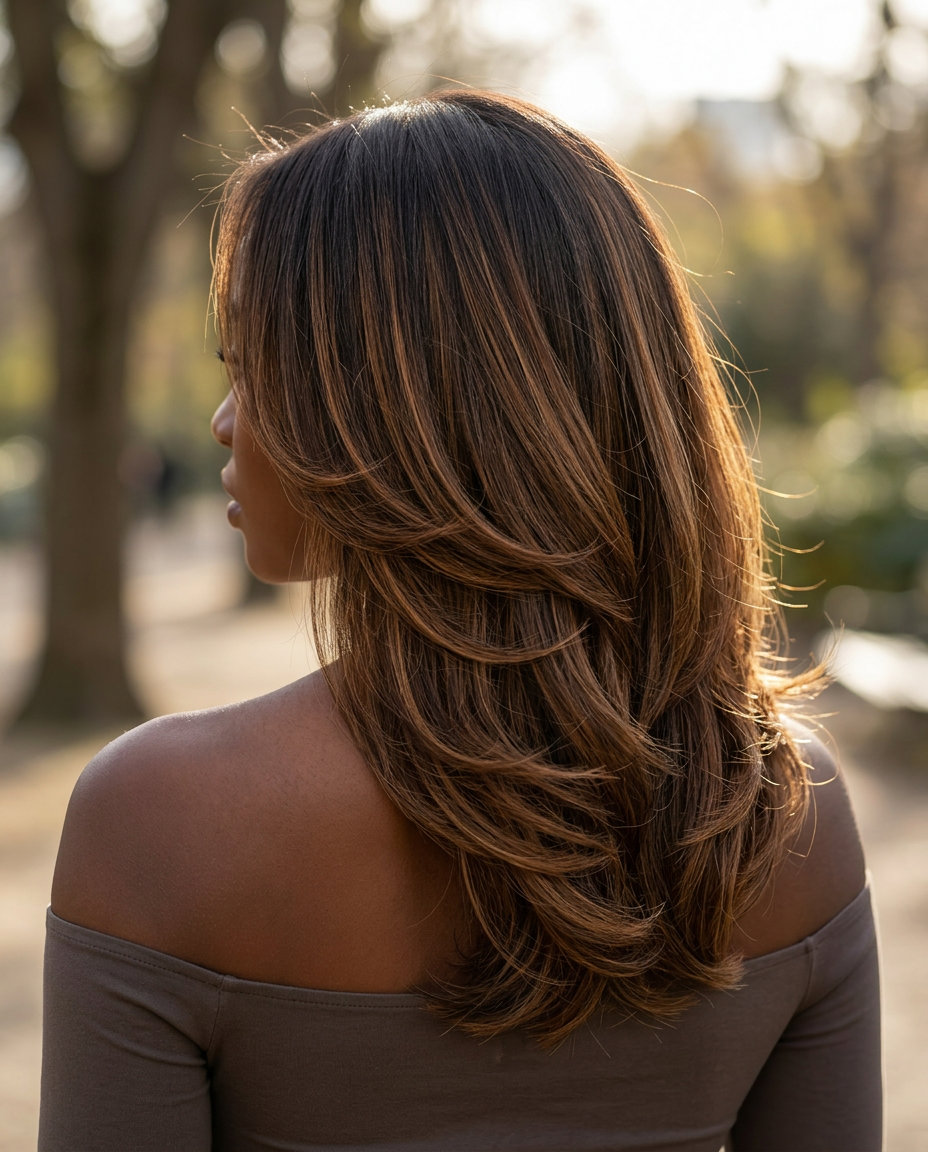
Bronze highlights on chocolate are doing exactly what they’re supposed to do: add warmth and movement without looking brassy. These aren’t subtle—they sit between dimension and drama. Bronze highlights maintained warmth and shine for 6 weeks with a clear gloss refresh, which means the base chocolate stayed stable while the highlights stayed punchy. Strategically placed bronze pieces with red-gold undertones maximize dimension and impact, especially on darker bases where lighter highlights can sometimes disappear. The cost lands around $180–220 depending on placement, probably worth the consultation at least.
What makes bronze work here is the red undertone—it bridges the gap between pure gold and true brown, so the contrast feels natural rather than painted-on. You’re paying for precision placement, not just bleach and tone. This needs styling to show dimension properly; if you’re air-drying only, the highlights flatten into the base and you lose the whole point. The luminosity stays visible from every angle though, which is why this approach feels luxe and luminous.
Creamy Toffee Chocolate Hair
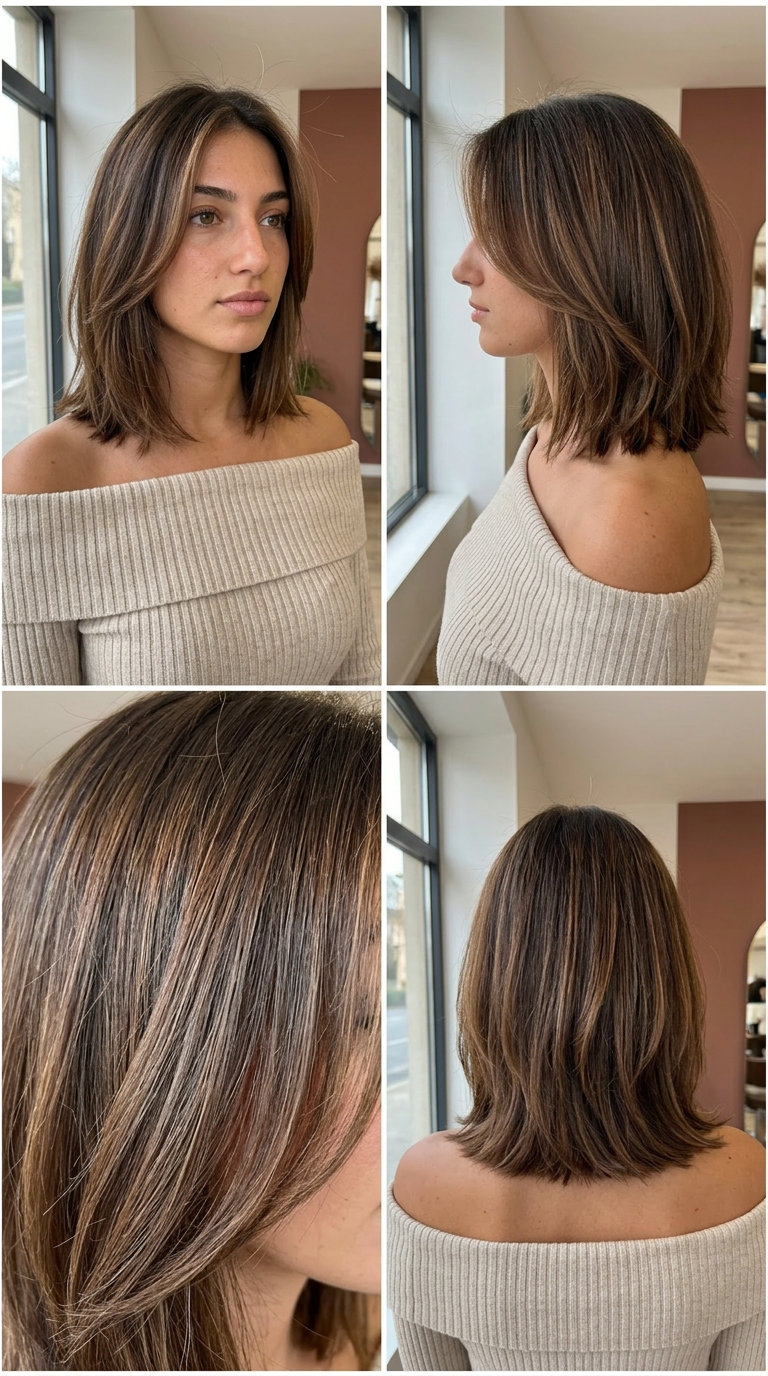
Soft color melts are where balayage shines—literally—and creamy toffee chocolate hair is the argument for letting your stylist paint freehand instead of foiling everything. This is hand-painted highlights that blend seamlessly into the base, which my stylist nailed it. Balayage highlights grew out seamlessly for 10 weeks before needing a refresh, and that grow-out timeline is why people pay for this technique instead of boxed highlights. The whole point is a soft color melt that creates a seamless blend, avoiding harsh lines and making regrowth less noticeable for longer wear—your dollar stretches further between appointments.
The honest part: balayage on dark hair often requires 2–3 sessions for ideal lift and tone, especially if you’re starting from a deeper base and want noticeable toffee pieces rather than a subtle shift. It’s not a one-appointment fix. But the payoff is dimension that flatters warm, neutral, and medium skin tones while enhancing brown, hazel, and green eyes. It grows out as a natural-looking blend rather than a demarcation line, which means less stress about timing your next appointment perfectly. Sweet and subtle.
Spiced Cacao Auburn Hair
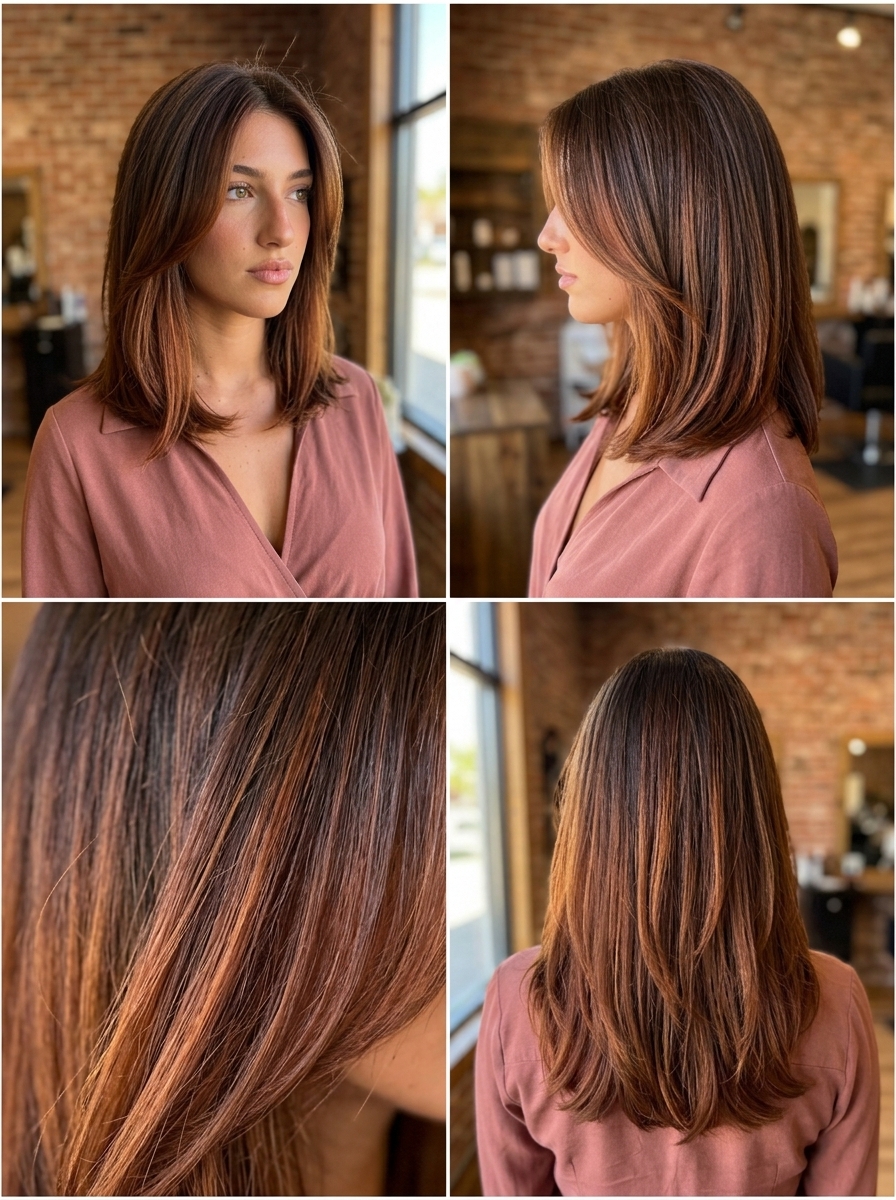
Auburn melts sit on the spice side of chocolate, leaning into warmth without going full red. Spiced cacao auburn hair is what happens when you want movement and depth but you’re also committed to brown as your base. Auburn melt retained vibrancy for 5 weeks with color-depositing conditioner twice weekly, and that maintenance schedule is actually reasonable if you’re already conditioning regularly anyway—just swap one product. The base stays anchored in chocolate while the melt picks up red-gold and copper undertones that shift depending on how the light hits. The best fall color, hands down.
Soft, diffused melt creates a natural sun-kissed effect, allowing for a graceful transition between shades—this is especially effective on medium to thick hair with wavy or curly textures where the dimension has room to live. Fine hair can wear this too, but you’ll want your stylist to avoid over-processing the lighter pieces or you’ll lose density. The color sits warm against warm skin tones but also works for olive and deeper complexions where it picks up richness instead of flatness. This is dimensional chocolate that doesn’t require cool-toned maintenance or constant gloss appointments. Spicy and sweet.
Cool Toned Hazelnut Hair
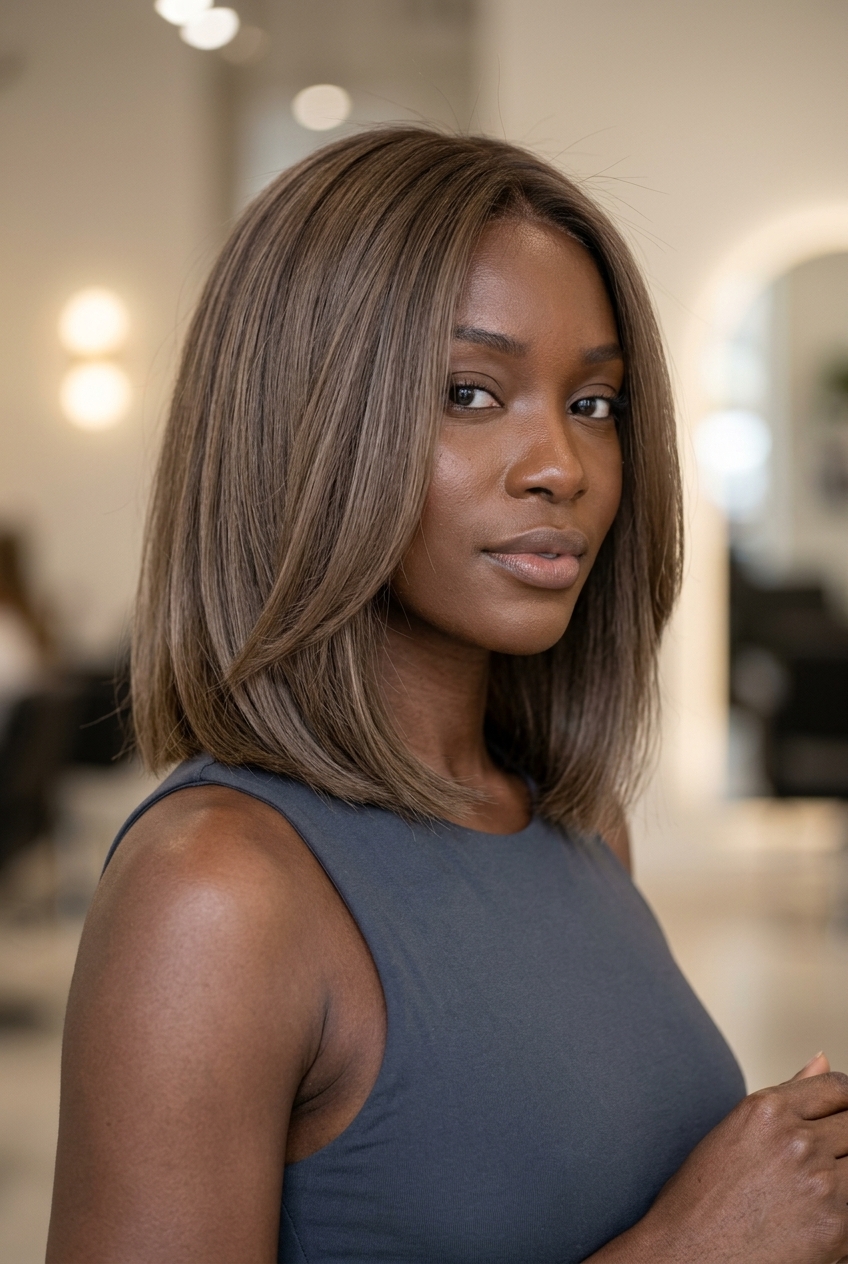
Hazelnut shifts brown toward neutral-to-cool territory, which means less warmth than traditional caramel but still readable as approachable rather than icy. Cool toned hazelnut hair uses beige reflections instead of gold, and the difference in perception is remarkable—one reads as sophisticated, the other reads as dated. Neutral-to-cool undertones remained brass-free for 7 weeks with color-safe products, which gives you a solid refresh window without obsessive maintenance. The subtle warm-brown base protects against looking ashy, while the cool reflections add dimension that catches light without appearing flat or dull. Think mushroom rather than gray.
This works best on medium to thick hair; very coarse or dense textures sometimes absorb the subtlety and the reflections get lost in the overall depth, which is why consultation photos matter here. Cool beige reflections give a ‘mushroom’ quality, adding sophistication without appearing flat or dull—it’s the formula that prevents the mistake of going too neutral and landing in mousy territory. If you’re testing cool undertones for the first time, hazelnut is the safer gateway than pure ash or platinum. The color survives styling, sun exposure, and regular washing longer than warmer tones because brass doesn’t register as loudly against a neutral base, which is exactly what my fine hair needs. Sophistication personified.
Still Deciding? Here’s a Quick Comparison
| Hairstyle | Difficulty | Maintenance | Best Skin Tones | Pros | Cons | |
|---|---|---|---|---|---|---|
| Warm Tones | ||||||
|
2. Milk Chocolate with Scattered Babylights | Moderate | Medium — every 12-16 weeks | All skin tones | Suits most face shapesWorks on multiple texturesSubtle sun-kissed effect | Not ideal for very curly hair |
|
3. Chocolate Auburn Underglow | Moderate | Medium — every 6-8 weeks | warm, peach, and olive skin tones | Works on multiple textures | Not ideal for very curly hair |
|
5. Cacao Dust Balayage | Moderate | Low — every 8-10 weeks | All skin tones | Low maintenanceSuits most face shapesWorks on multiple textures | Not ideal for very curly hair |
|
7. Milk Chocolate Face-Framing | Easy | Low — every 6-8 weeks | All skin tones | Low maintenanceEasy to style at homeSuits most face shapes | Not ideal for very curly hair |
|
9. Caramel Drizzle Ombré | Moderate | Low — every 8-10 weeks | warm and deep skin tones, especially those with brown or hazel eyes | Low maintenanceSuits most face shapesWorks on multiple textures | Not ideal for very curly hair |
|
11. Espresso Gloss All-Over | Easy | Medium — every 4-6 weeks | All skin tones | Easy to style at homeSuits most face shapesWorks on multiple textures | Not ideal for very curly hair |
|
12. Hazelnut Ribbon Highlights | Moderate | Medium — every 8 weeks | All skin tones | Suits most face shapesWorks on multiple textures | Not ideal for fine hair |
|
13. Cinnamon Swirl Balayage | Moderate | Medium — every 12-16 weeks | warm medium, olive, and golden skin tones | Suits most face shapesWorks on multiple texturesNatural-looking dimension | Not ideal for fine hair |
|
14. Cherry Chocolate Shadow Root | Moderate | Medium — every 8-10 weeks | cool and neutral skin tones, especially those with blue or green eyes | Suits most face shapesWorks on multiple textures | Not ideal for very curly hair |
|
15. Cold Brew Neutralizer | Moderate | Medium — every 6-8 weeks | cool, olive, and neutral skin tones | Suits most face shapesWorks on multiple textures | Not ideal for very curly hair |
|
16. Toasted Almond Babylights | Moderate | Medium — every 10-14 weeks | neutral and warm skin tones, brightening the complexion | Suits most face shapesWorks on multiple texturesSubtle sun-kissed effect | Not ideal for very curly hair |
|
17. Bronzed Cacao Money Pieces | Moderate | Medium — every 8-10 weeks | warm fair, medium, deep, and olive skin tones | Suits most face shapesWorks on multiple textures | Not ideal for fine hair |
|
18. Golden Brown Chocolate Crown Lights | Moderate | Low — every 8-10 weeks | warm, neutral, and golden olive skin tones | Low maintenanceSuits most face shapesWorks on multiple textures | Not ideal for very curly hair |
|
19. Mahogany Chocolate Reverse Balayage | Salon-only | Medium — every 8-10 weeks | warm medium, deep, and olive skin tones | Suits most face shapesWorks on multiple texturesNatural-looking dimension | Requires professional styling |
|
20. Golden Honey Chocolate Swirls Balayage | Moderate | Medium — every 8-10 weeks | warm medium, golden olive, and fair skin tones | Suits most face shapesWorks on multiple texturesNatural-looking dimension | Not ideal for very curly hair |
|
22. Ashy Mocha Texture Weave | Moderate | Medium — every 6-8 weeks | cool, olive, and neutral skin tones | Suits most face shapesWorks on multiple texturesSubtle sun-kissed effect | Not ideal for very curly hair |
|
23. Caramel Swirl Chocolate Balayage | Moderate | Medium — every 8-10 weeks | warm, golden, and olive skin tones | Suits most face shapesWorks on multiple texturesNatural-looking dimension | Not ideal for fine hair |
|
27. Bronze Chocolate Highlights | Salon-only | Medium — every 10-14 weeks | warm, golden, and olive skin tones | Suits most face shapesWorks on multiple textures | Requires professional styling |
|
28. Creamy Toffee Chocolate | Moderate | Low — every 8-12 weeks | warm, neutral, and medium skin tones | Low maintenanceSuits most face shapesWorks on multiple textures | Not ideal for very curly hair |
|
29. Spiced Cacao with Auburn Melt | Moderate | Medium — every 6-8 weeks | All skin tones | Suits most face shapesWorks on multiple textures | Not ideal for fine hair |
|
30. Hazelnut with Cool Tones Hair Color | Moderate | Medium — every 6-8 weeks | All skin tones | Suits most face shapesWorks on multiple textures | Not ideal for very curly hair |
| Cool Tones | ||||||
|
4. Mocha Undertones Color Melt | Moderate | Medium — every 8-10 weeks | All skin tones | Suits most face shapesWorks on multiple textures | Not ideal for very curly hair |
|
10. Deep Plum Chocolate Tint | Moderate | High — every 4-6 weeks | cool fair, olive, and deep skin tones | Works on multiple textures | Frequent salon visits needed |
|
21. Beige Blonde Chocolate Color Melt | Moderate | Medium — every 6-8 weeks | neutral, cool fair, and olive skin tones | Suits most face shapesWorks on multiple textures | Not ideal for very curly hair |
|
25. Deep Mahogany Chocolate Gloss | Easy | High — every 4-6 weeks | fair/pale skin with cool or neutral undertones, deep skin tones | Easy to style at homeSuits most face shapesWorks on multiple textures | Frequent salon visits needed |
|
26. Icy Chocolate Melt | Salon-only | Medium — every 6-8 weeks | cool, olive, and neutral skin tones | Suits most face shapesWorks on multiple textures | Requires professional styling |
Frequently Asked Questions
What temporary products can I use to achieve a chocolate brunette look at home?
For bold, high-contrast effects like Espresso with Black Cherry Face-Framing , color-depositing conditioners in espresso or mahogany shades work best—apply to damp hair and leave for 10-15 minutes. For subtler, diffused looks like Cacao Dust Balayage or Milk Chocolate with Scattered Babylights , temporary glossing sprays or demi-permanent toners add dimension without commitment. Always layer UV protectant spray underneath to prevent fading from summer sun exposure.
How can I maintain my chocolate brunette vibrancy throughout summer?
Use sulfate-free, color-safe shampoo and a hydrating conditioner to prevent brassiness—especially critical for cool-toned shades like Mocha Undertones Color Melt and Cool-Toned Chocolate Brown with Ash Reflections . Apply a deep conditioning mask weekly, particularly on balayage styles like Cinnamon and Auburn Balayage on Curls where color sits unevenly. UV protectant spray is non-negotiable before outdoor time. For warmer tones like Chocolate Auburn Underglow , a red-depositing mask every 2 weeks extends vibrancy between salon visits.
Are there any DIY chocolate brunette styles that are truly low maintenance for summer?
Cacao Dust Balayage is designed for low maintenance—the hand-painted highlights blend seamlessly with natural regrowth, so you can stretch appointments to 10-12 weeks. Milk Chocolate with Scattered Babylights also forgives grow-out gracefully, needing only hydrating masks and gentle care to preserve the fine, scattered highlights. Both require less frequent toning than single-process or root-melt styles.
Which chocolate brunette shades work best for warm versus cool skin tones?
Warm skin tones thrive with Golden Brown with Crown Lights , Bronze Money Pieces , and Caramel Balayage —the warmth reflects your natural undertones. Cool skin tones suit Mocha Undertones Color Melt , Cool-Toned Chocolate Brown with Ash Reflections , and Deep Espresso with Purple Toner , where ash and violet undertones prevent warmth from appearing muddy. If you’re unsure, ask your stylist to hold swatches near your jawline in natural light.
How often should I get touch-ups for chocolate brunette face-framing pieces?
Face-framing pieces like those in Espresso with Black Cherry Face-Framing and Face-Framing Pieces with Brightened Complexion need refreshing every 4-6 weeks because they’re more visible than all-over color and fade faster from sun and styling heat. Balayage face-frames like Cacao Dust Balayage can stretch to 8-10 weeks since the diffused placement makes regrowth less noticeable. Use a color-depositing conditioner between appointments to extend vibrancy.
Final Thoughts
Here’s what I learned writing about summer chocolate brunette hair color 2026: the expensive-looking brunette isn’t about the salon visit—it’s about what happens after. A strategic gloss every 6-8 weeks, sulfate-free shampoo, a UV protectant spray, and maybe a color-depositing conditioner transform the entire trajectory. The Cacao Dust Balayage grows out like it was designed to; the Espresso with Black Cherry Face-Framing demands respect and toning. Neither is a trap. They’re just different contracts.
The real sophistication isn’t in the depth of the color. It’s in knowing which shade actually lives in your hair texture, which technique forgives your styling habits, and which maintenance rhythm you’ll actually keep. That’s the difference between a brunette that photographs well and one that photographs well at week two, week six, and week twelve.