
Sabrina Carpenter’s honey-blonde butterfly layers at Coachella, Billie Eilish’s choppy shag moment, Selena Gomez’s curved face-framing precision—suddenly every salon chair is booked through June. The butterfly cut isn’t new, but the 2026 version is. We’re past the heavy 90s blowout; this is the air-light evolution, where layers actually work with humidity instead of against it.
The summer butterfly haircut 2026 spans from the classic chin-length layers to the micro-butterfly pixie to the XXL waist-length extreme—cuts engineered for oval faces and heart shapes, sure, but also for the fine-haired crowd who need internal layering magic, the thick-haired people tired of triangle head, and anyone who’d rather air-dry than blow-dry for forty-five minutes.
I cut eight inches off in April thinking I’d regret it by August. Turns out, layers that actually move through humidity are their own thing entirely. That’s what changed my mind.
Apricot Butterfly Layers

The beauty of apricot butterfly layers lives in movement. Deep point-cut layers maintained dynamic movement for 8 weeks without feeling heavy, which is essential for this dynamic style. This isn’t about length—it’s about how the hair moves away from the face and catches light at different angles. The heavy layering helps prevent it from collapsing into a flat, limp shape.
Here’s why deep point-cutting and razoring create a deconstructed finish, enhancing ‘winged’ movement and lightness: the technique removes weight strategically while preserving density where it matters. Razored ends can frizz in high humidity, requiring daily styling commitment, but that texture is also what makes the cut look alive. You’re getting a cut that works with natural texture or waves, not against them. The movement is everything.
Butterfly Shag Haircut
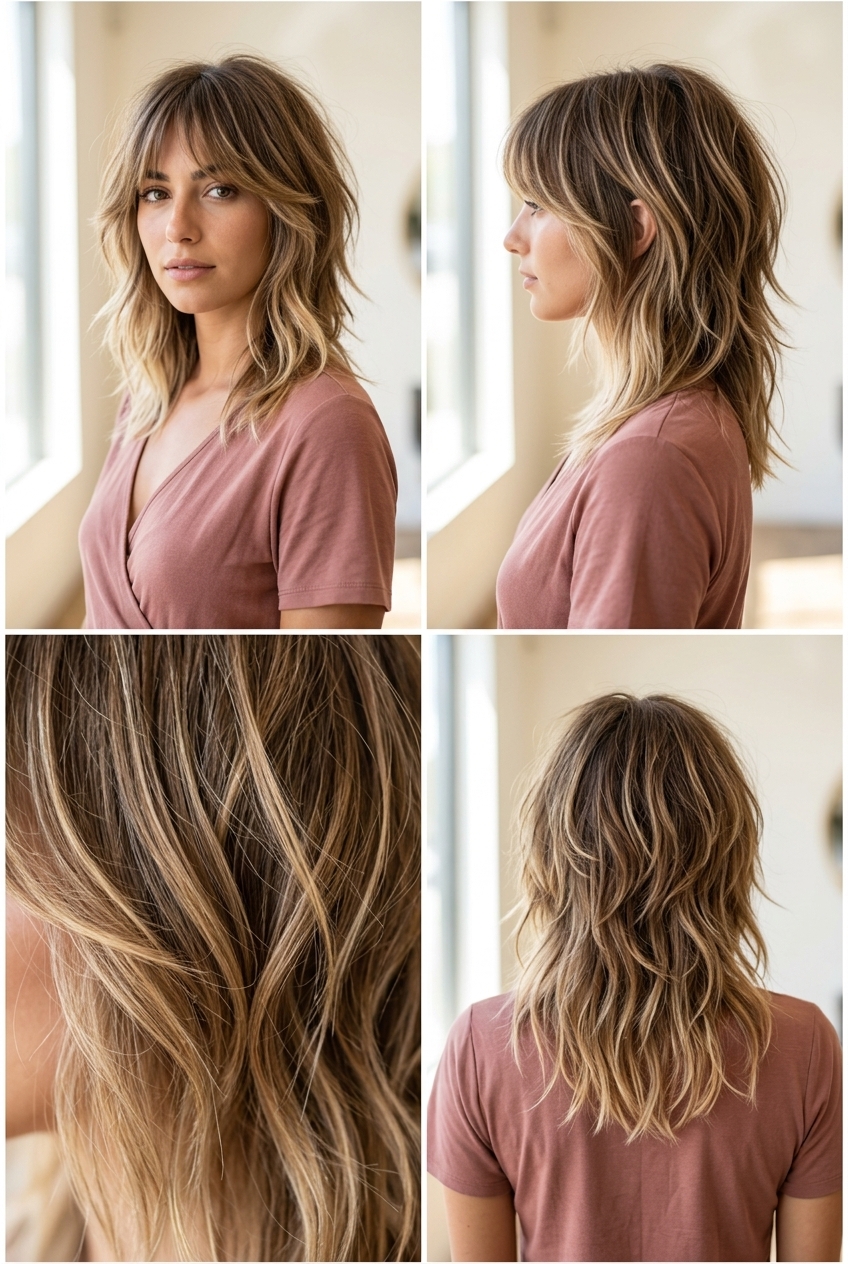
Choppy crown layers created significant volume, lasting 2-3 days with dry shampoo, and that’s the entire promise of this cut. The shag twist on butterfly styling pushes texture into overdrive. Choppy, disconnected layers throughout the crown create maximum texture and volume for a ‘lived-in’ feel. This cut thrives on medium to thick hair with natural texture or waves. Not for extremely thick hair—can become too voluminous without heavy thinning.
It reads less polished than other butterfly variations and that’s the point. The layers don’t blend; they show. You see the individual motion, the separation, the deliberate mess. Dry shampoo becomes your best friend here, adding grip and texture that amplifies the choppy effect. Two to three days in, the cut actually looks better than day one. Shag meets butterfly.
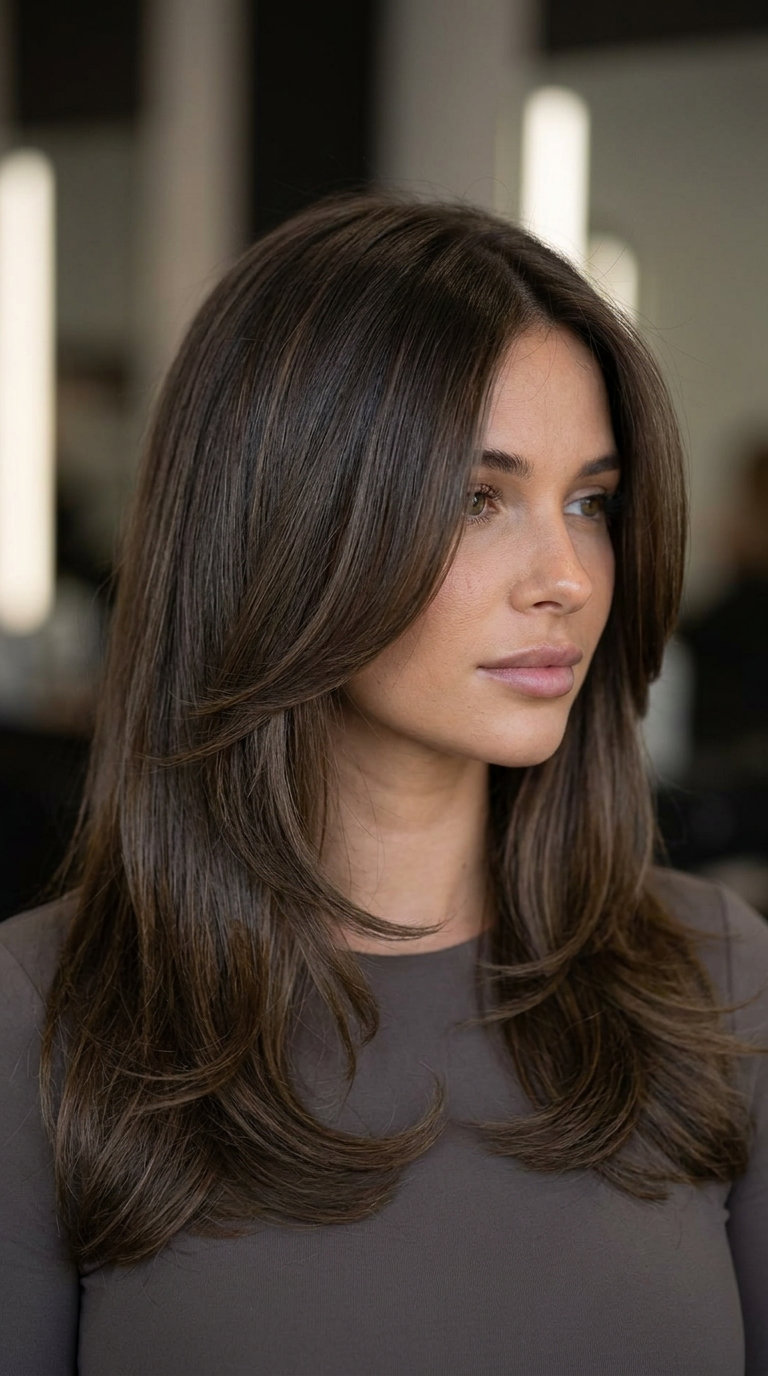
Glossy Brunette Butterfly Bob
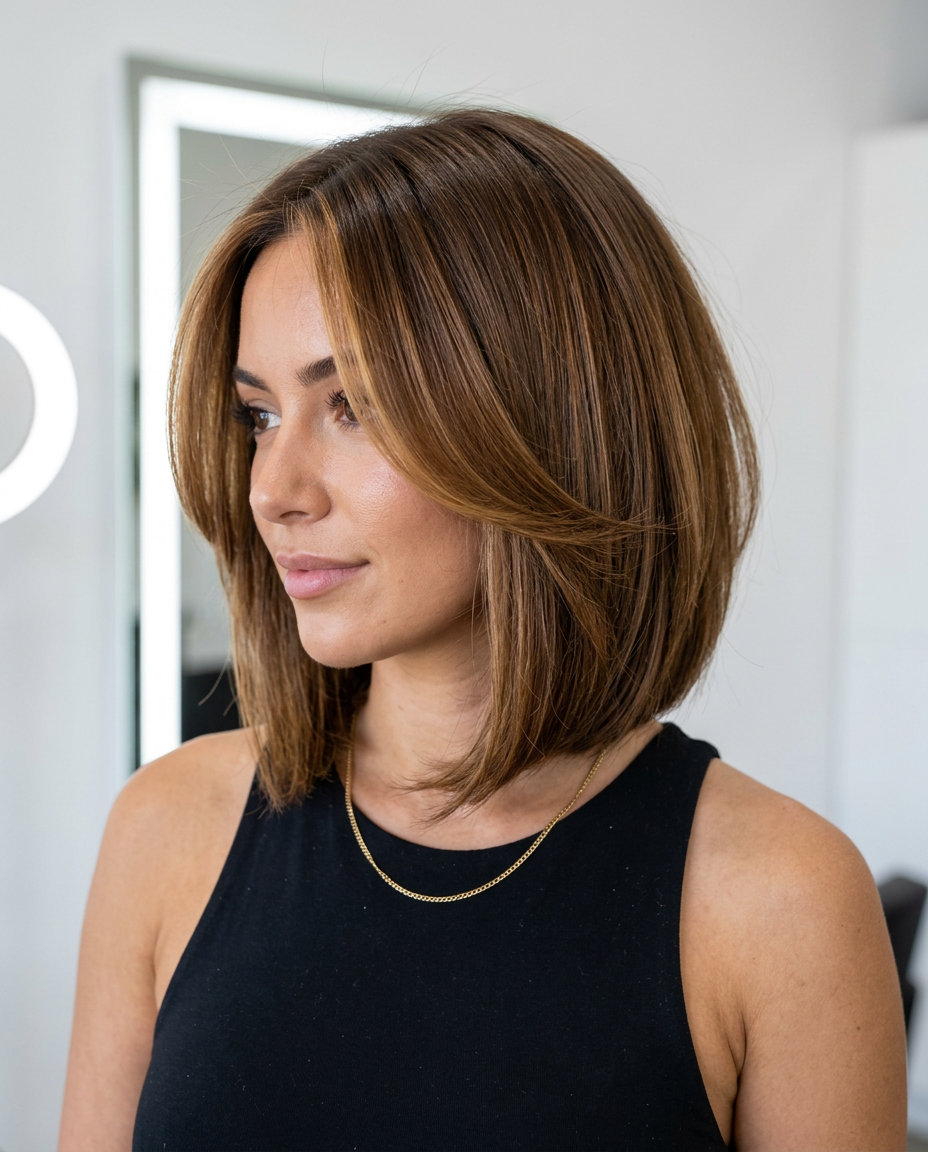
Internal layers created volume and the ‘winged’ shape without visible steps for 4 weeks. This is the polished version. Internal layering creates volume and the ‘winged’ shape, blending seamlessly without visible steps. A collarbone-length base sits clean and intentional, while subtle feathering at the face creates soft movement. Medium to dark brown holds the illusion of thickness even on fine hair. The color has depth—it’s not flat.
Collarbone length requires trims every 6-8 weeks to maintain the polished bob shape. That’s the commitment. A styling paste applied to damp roots and worked through the mid-lengths creates definition without crunch (the best $30 I’ve spent on hair). The glossy brunette butterfly bob works on most face shapes because the internal layering does the heavy lifting—no visible chop lines to fight your features. Polished perfection.
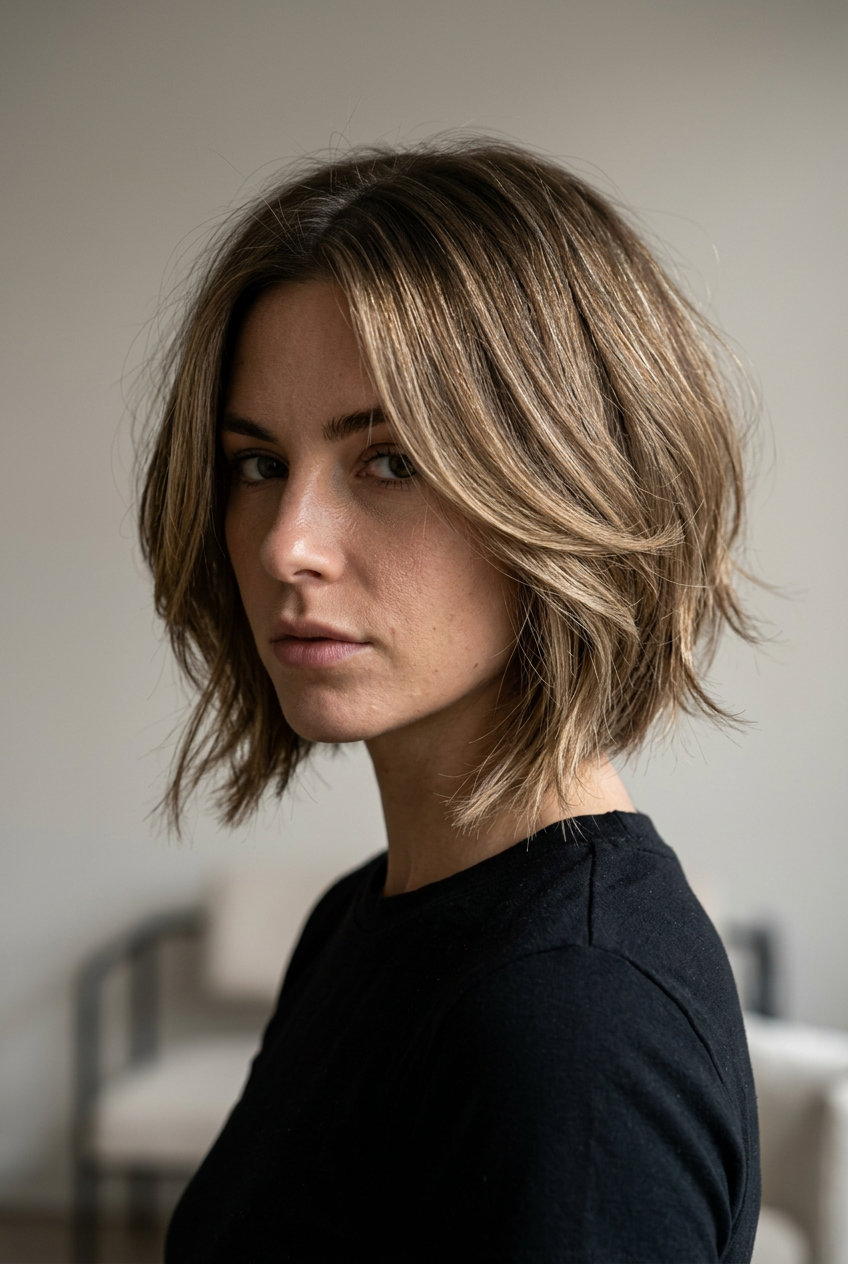
Sun-Kissed Blonde Butterfly Cut
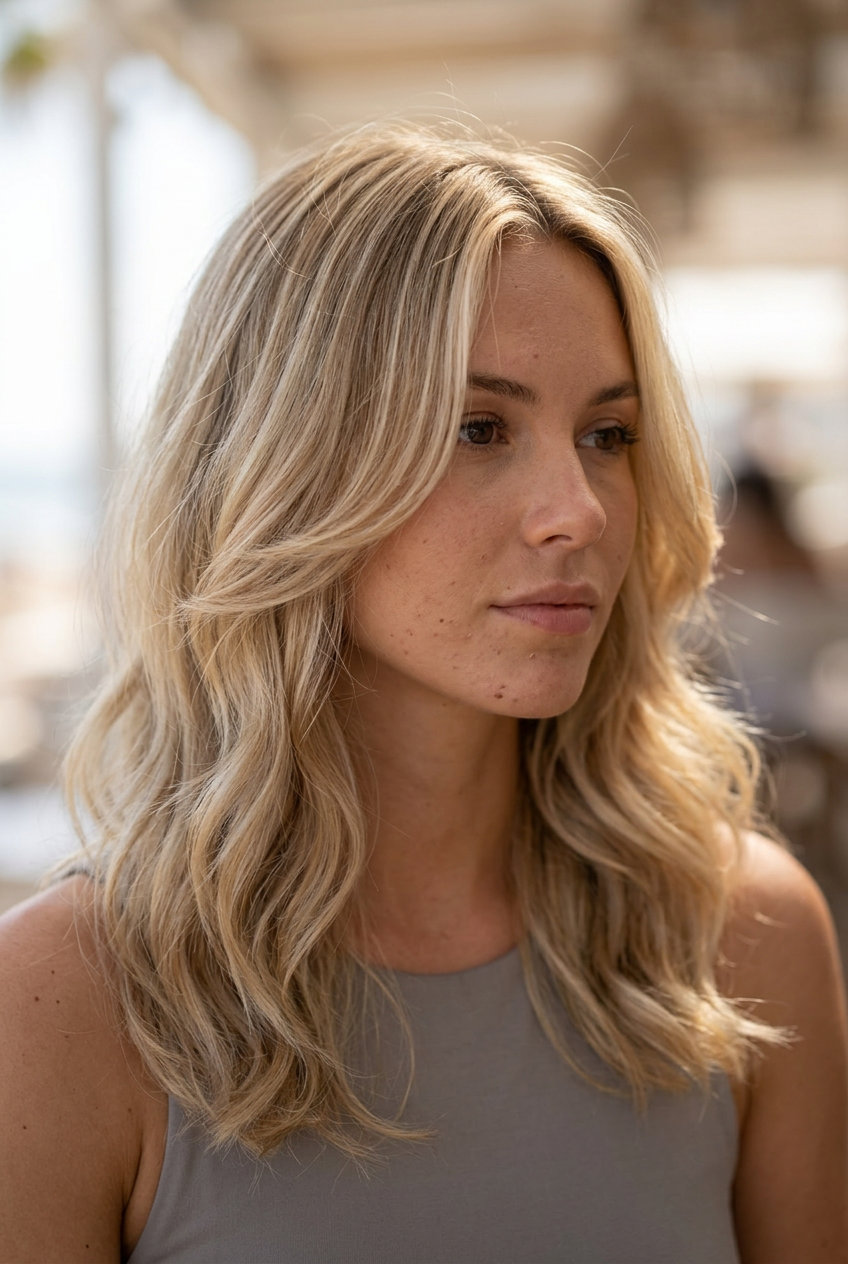
Subtle point-cutting encouraged natural waves, maintaining effortless flow for weeks. The sun-kissed blonde butterfly cut lives in the space between intention and accident. Gently carved layers and subtle point-cutting encourage natural waves and soft, effortless movement. Fine to medium hair works best here—the subtle layering doesn’t overwhelm delicate strands. Avoid if hair is pin-straight—natural waves won’t form without heat styling. The blonde isn’t flat platinum; it’s warm, lived-in, with dimensional pieces catching the light.
This cut thrives on movement that already exists in your hair. If you have natural waves or hair that holds a curl, the cut enhances what’s already there instead of fighting it. The layers aren’t aggressive—they’re inviting. Three minutes with a texturizing paste and your waves do the rest. Effortless flow, perfect length.
Asymmetrical Butterfly Bob
Asymmetry is doing the heavy lifting here. One side sits longer than the other, creating a visual break that reads modern without feeling gimmicky. The shorter side frames the face while the longer side extends past the chin, and point-cutting the perimeter creates a soft, diffused edge, preventing blunt lines from looking harsh (this takes a skilled hand). That’s the whole mechanism: asymmetrical length held its distinct line for 5 weeks before needing a trim, which honestly tracks with any precision bob work.
The real advantage? This cut works on straight to slightly wavy hair with medium to thick density because the precise angles do the work. Fine hair will show every grow-out blunder, and very curly hair—precise lines will fight your natural texture—so those folks should probably pass. Styling is minimal: a blow-dry with a round brush on the longer side, maybe a texturizing paste on the ends if you want texture. Most days, it’s dry your hair and go. Asymmetry done right.
Copper Red Butterfly Cut
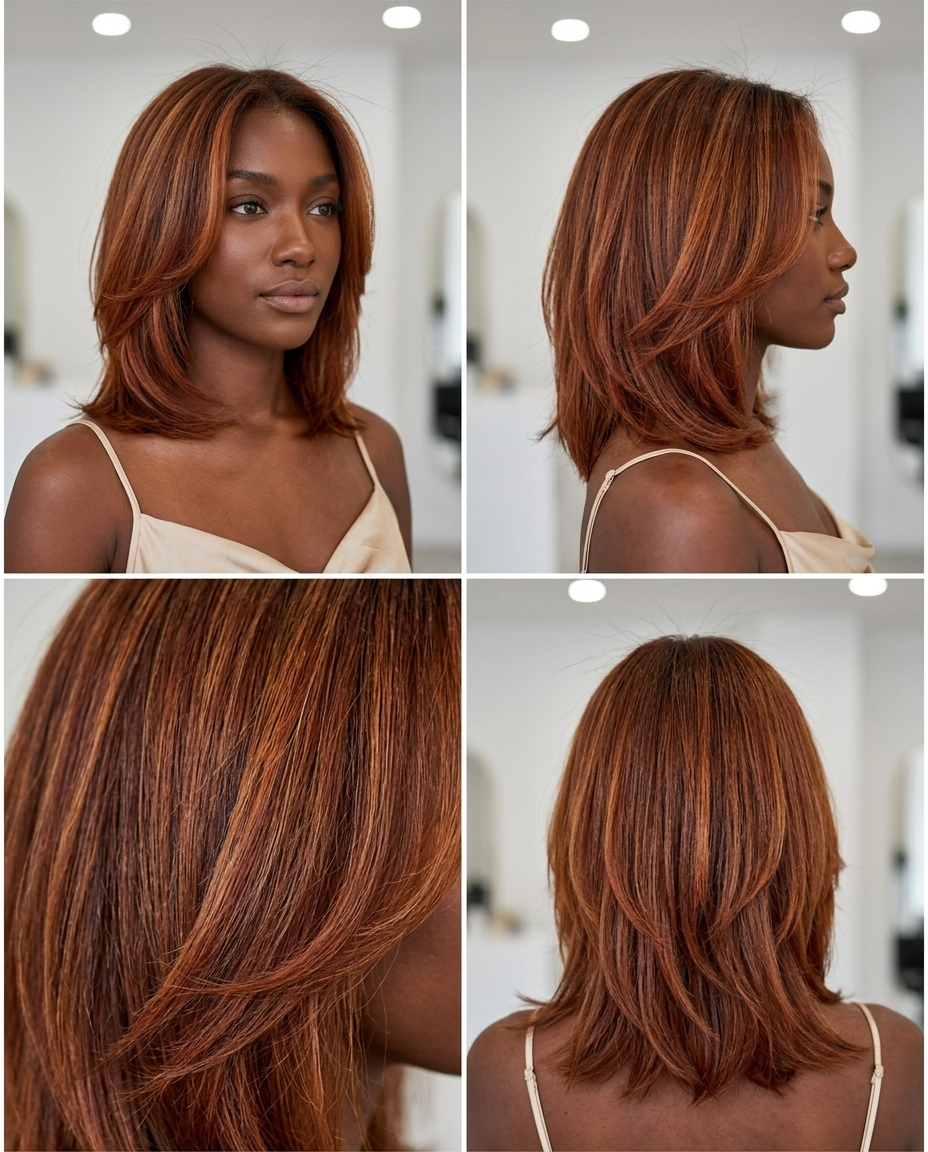
Chin-length face-framing layers held their shape for 8 weeks with minimal styling, which is remarkable considering how much dimension sits in this cut. A copper red butterfly cut takes a warm, burnished red-brown and pairs it with internal point-cutting that reduces bulk without visible steps. Internal point-cutting reduces bulk, allowing natural waves to form the desired ‘winged’ shape easily—so even if your hair leans straight, you get movement built into the geometry.
The color itself is forgiving. Copper red doesn’t demand root touch-ups the way platinum does; it actually deepens richly as it oxidizes, reading more expensive than it costs. Layer it with face-framing pieces that start at the cheekbones, and you’ve got a cut that flatters heart and diamond face shapes especially well. The chin-length landing point keeps things current without the commitment of very short hair. Blow-dry with a round brush to activate the layers, or let it air-dry if your hair cooperates—either way, the cut does the visual work. Effortless movement, guaranteed.
Ghost Layers Butterfly Cut
‘Ghostly’ internal layers created noticeable volume without compromising length for 10 weeks, which is why this technique has become so popular with people who want hair that looks full but doesn’t read obviously layered. The ghost layers butterfly cut relies on internal point-cutting—weight removed from inside, nothing visible from the outside. Internal layering removes weight from the mid-shaft, creating volume without visible layers or steps, so your hair gains shape without losing length on the perimeter.
This is a quiet power move, especially on fine to medium density hair where bulk removal usually means obvious layers. You’re getting the butterfly effect—that winged, lifted shape—through a technique that looks almost invisible. The catch? This subtle technique requires a highly skilled stylist; expect higher salon costs. A stylist needs actual precision to place these internal cuts correctly, which takes time and experience. You’ll maintain the look for longer than a traditional layered cut, which, which is perfect for my fine hair honestly, but it does require annual appointments to refresh the interior structure. The invisible lift.
Short Butterfly Haircut
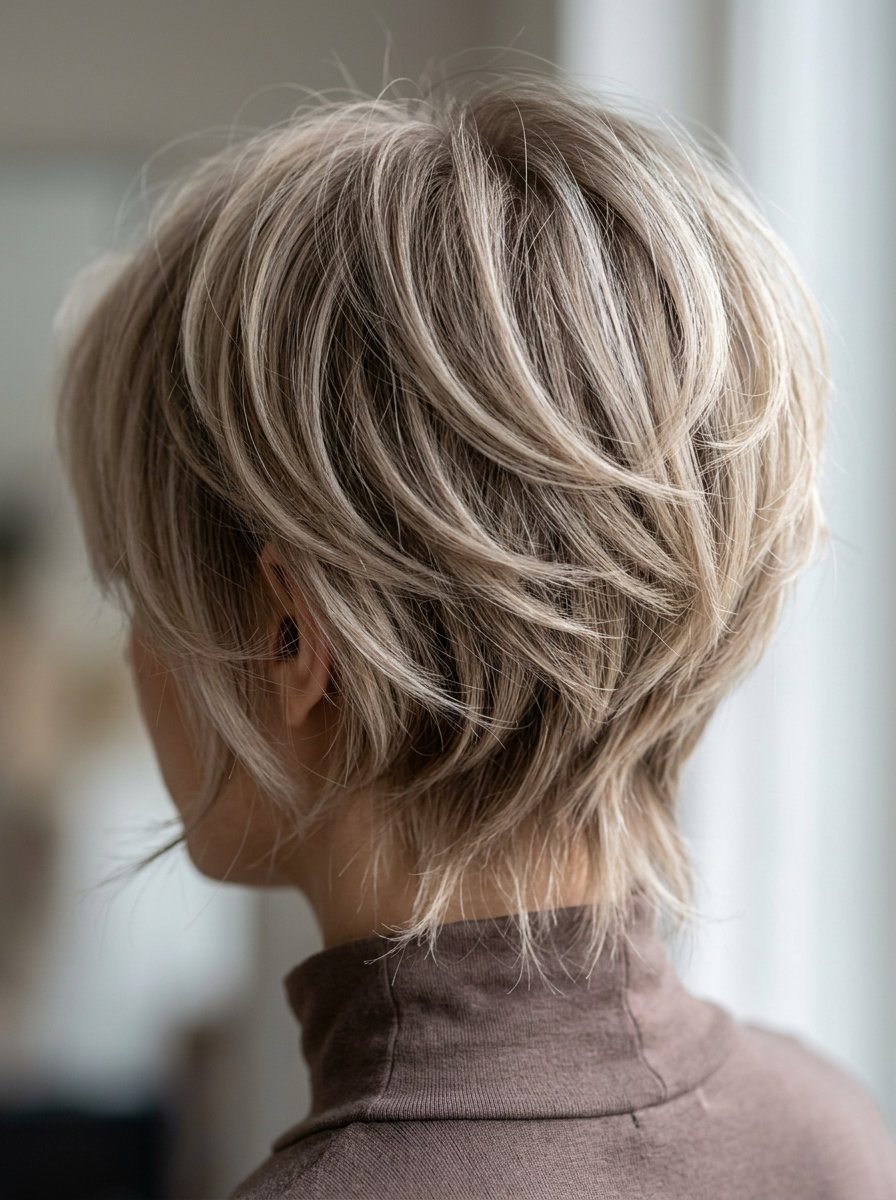
Pixie layers maintained their edgy, piecey texture for 4 weeks with minimal product, which honestly beats most very short cuts for longevity between trims. A short butterfly haircut takes the winged concept and compresses it into a cropped silhouette, relying on point-cutting and razoring on short hair to create a deconstructed, piecey finish for edgy texture. You’re looking at crown length or slightly longer, with sharp angles around the face and softness at the nape.
Best on fine to medium density hair, straight or slightly wavy, because the layering adds volume to finer hair without requiring thick texture to carry the cut. The styling commitment is minimal—air-dry if your hair cooperates, blow-dry with texture paste if it needs guidance, but honestly most days you’re just running your fingers through it. The cut does the visual work. A word of caution: this reads very trendy right now, which means in 18 months it might feel dated, or maybe it’s a bixie, honestly—the line between pixie and bob is getting fuzzy—but if you’re someone who changes their hair anyway, this is a safe bet. Pixie, but make it butterfly.
Shoulder Length Butterfly Cut
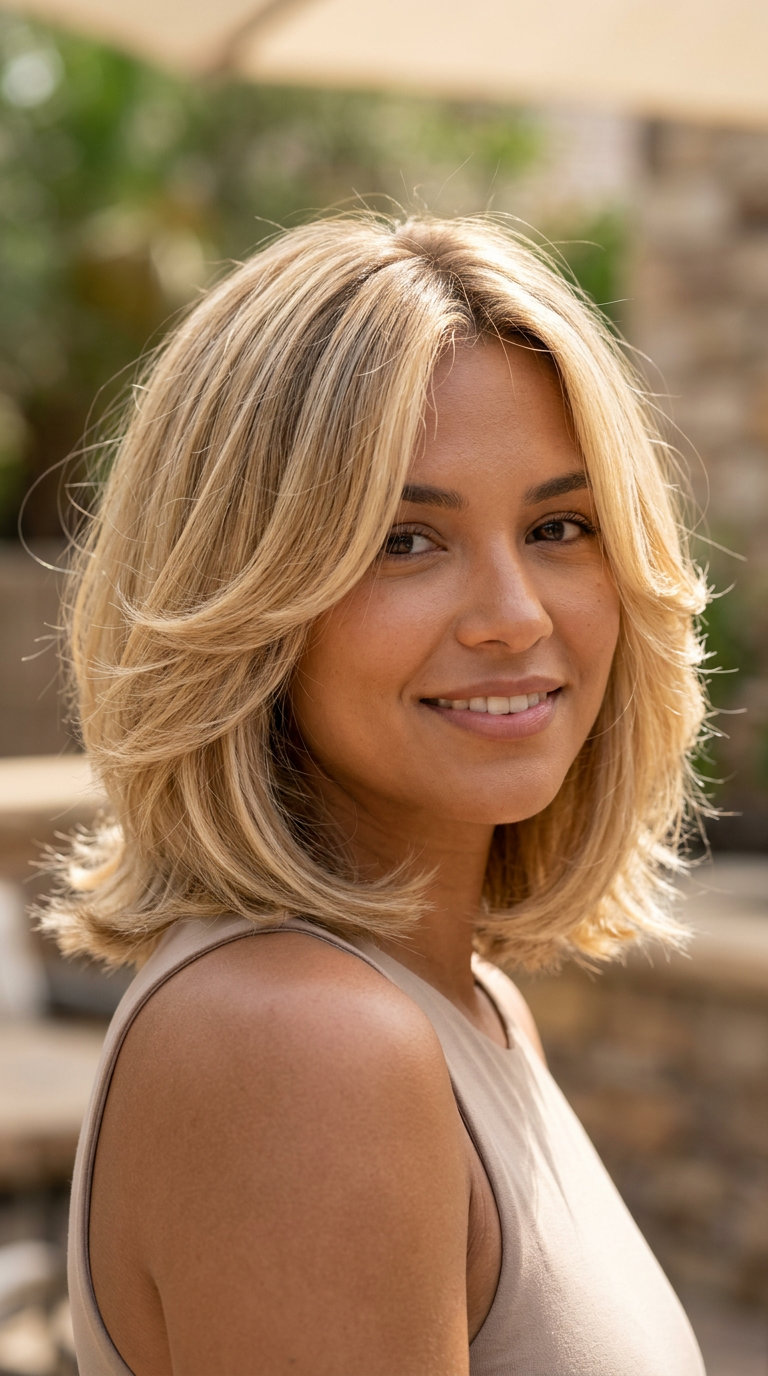
This is the middle ground—longer than a chin-length bob but not quite mid-back. A shoulder length butterfly cut sits exactly where movement happens naturally; the hair catches air when you turn your head. Point-cut layers created visible volume at crown that lasted 2 days with light styling. Which is all my fine hair can handle, honestly. The technique uses point-cutting rather than blunt lines, so instead of a severe chop you get soft, feathered edges that blend into one another rather than creating hard segments.
Point-cutting layers creates soft, blended movement and volume, preventing a blunt, heavy look on fine hair. You’re not losing length dramatically—the longest pieces stay near your shoulders—but internal layers remove weight so the cut doesn’t sit flat. Not for very thick hair though; internal layers might not remove enough bulk if your hair density is already high. Styling is straightforward: blow-dry with a round brush, let it cool, maybe a texturizing paste on damp ends. Bob, but make it fly.
Cherry Cola Butterfly Haircut
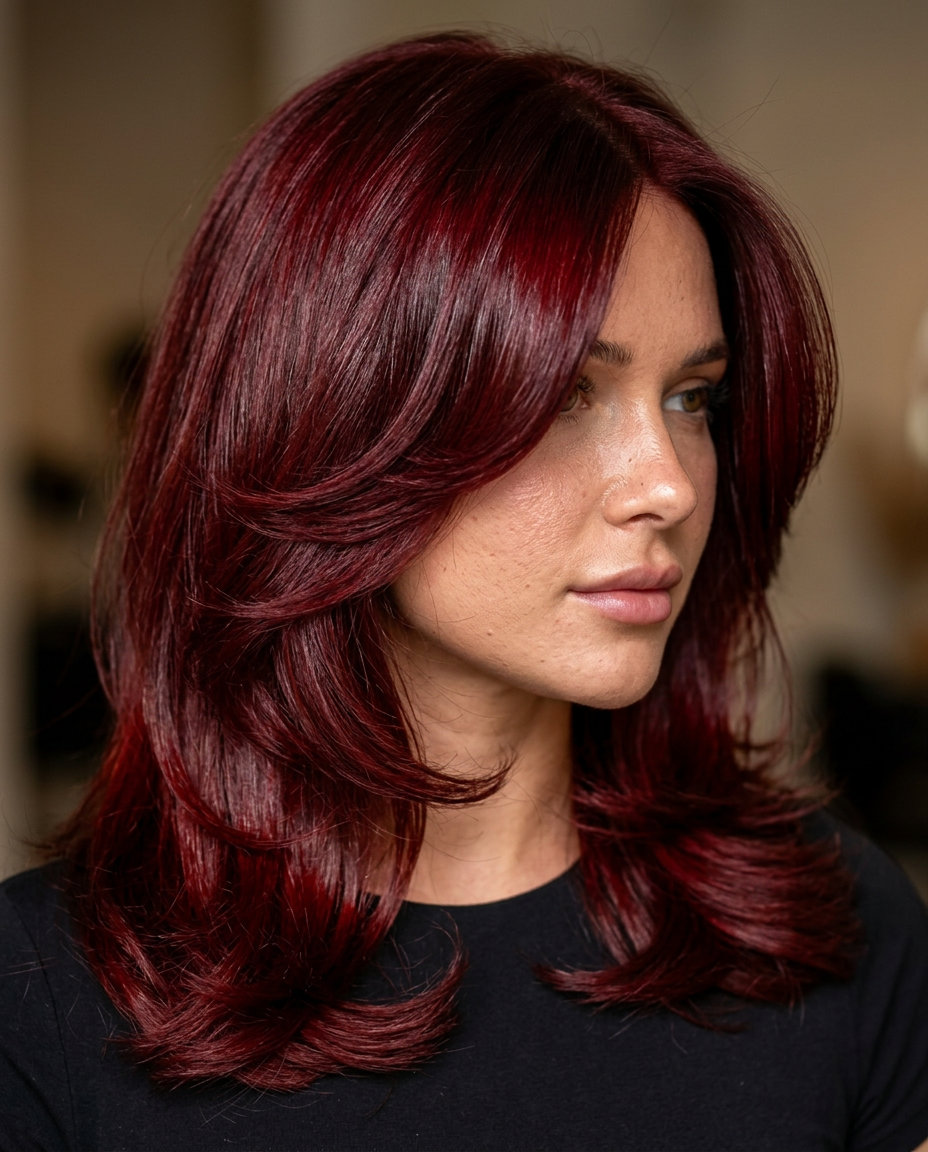
Deep, wine-toned brunette with enough dimension to catch light. This color works because it’s substantial enough to show dimension without needing constant upkeep, and the depth flatters most skin tones. Sweeping face-framing layers held their shape for 12 hours with minimal product. The cut itself is where the drama lives—point-cutting removes bulk from thick hair, allowing dramatic layers to blend smoothly and create a soft, rounded frame. You’re getting movement that actually reads as intentional, not accidental.
The combination is probably worth the consultation at least—you need a stylist who can execute deep layers without making thick hair look stringy. The color sits in a rich red family (think cherry cola, hence the name), which means it lasts longer than copper but still reads as warm and dimensional. These layers are deeper than a standard butterfly; they’re more sculptural. Drama, but make it soft.
Ghost Layers Butterfly Cut
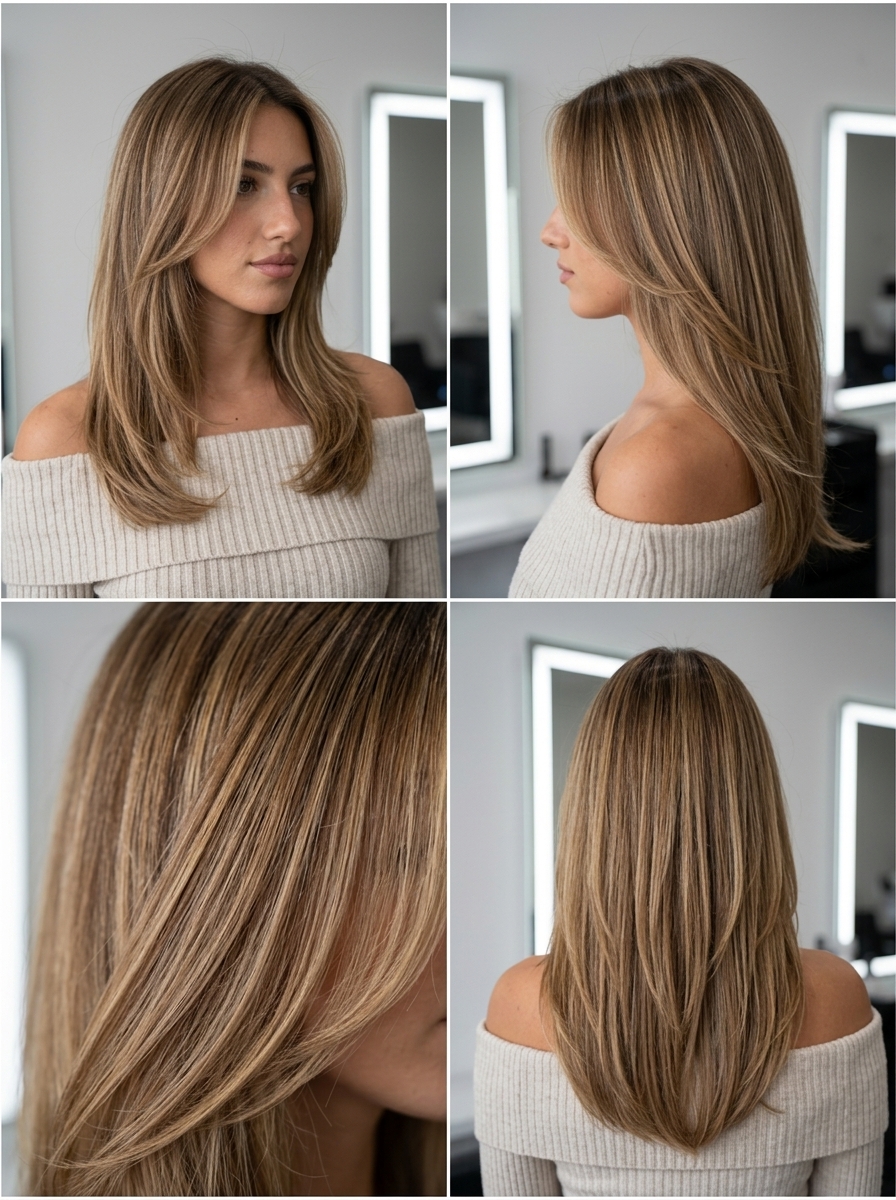
Ghost layers are internal thinning that you can’t see from the outside—the stylist removes weight from within the hair, leaving the perimeter intact. This is the hack for people who want volume but can’t commit to dramatic visible layers. Internal ‘ghost’ layers added noticeable volume without losing density on fine hair. Internal ‘ghost’ layers remove weight from within, creating volume and movement without sacrificing a dense perimeter. The technique requires an experienced stylist; not all salons offer this, so you’ll need to ask specifically or look for someone trained in texturizing techniques.
The advantage here is flexibility—you can wear your hair down and it reads as thick and healthy, but blow-dry it and suddenly there’s movement and lift at the crown. Ghost layers require an experienced stylist; not all salons offer this technique. Or maybe a bit more subtle than the photo you bring suggests—these layers are internal, so communication with your stylist matters even more than with visible cuts. Hidden volume, revealed.
Syrup Brunette Butterfly Bob
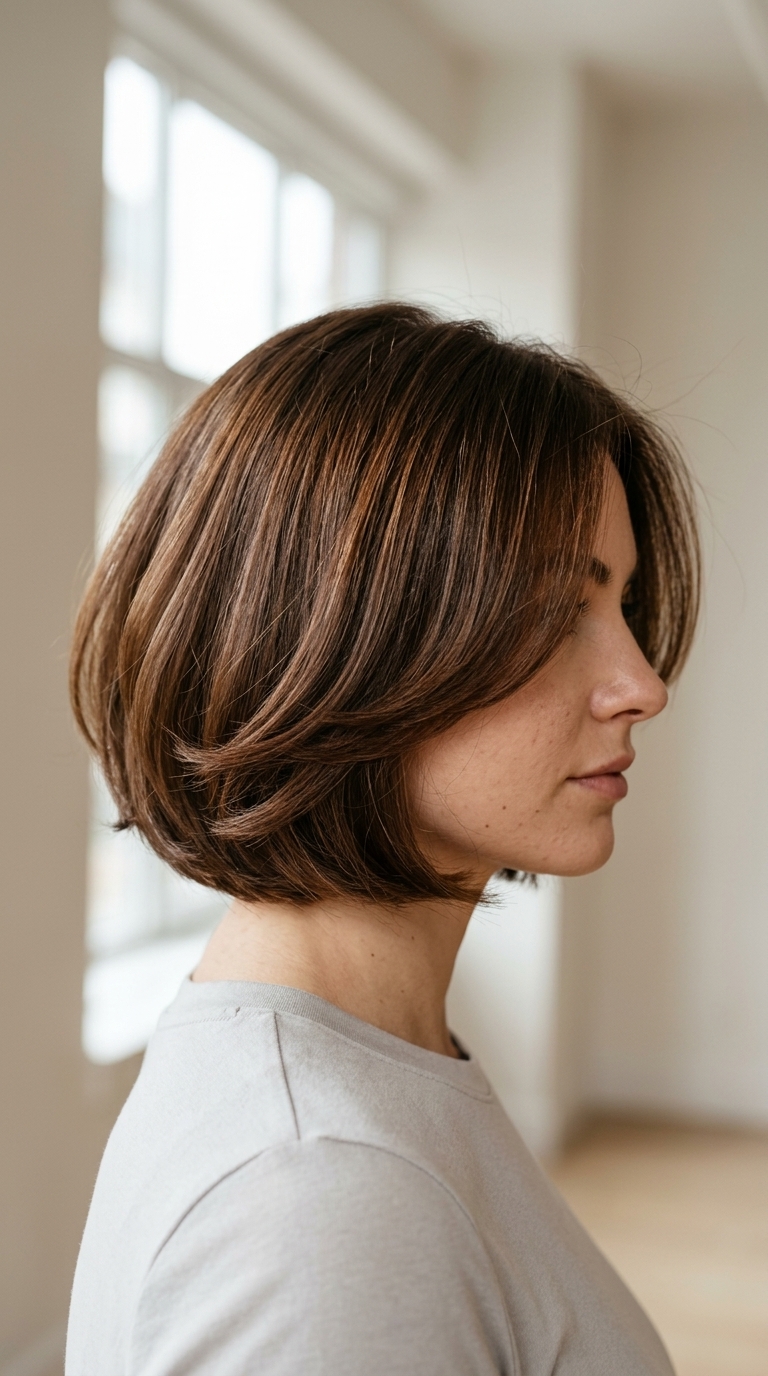
Collarbone length with a color that sits between caramel and deep brown—the ‘syrup’ label hints at the warmth and viscosity of the tone. This is a structured bob that actually moves. Collarbone length maintained its ‘flick’ around the jawline for 3 weeks before needing a trim. Graduated U-shape in the back with internal layers creates movement and body, preventing a blocky or heavy bob. The cut is designed for straight to slightly wavy hair with enough density to hold shape; fine hair might lose the structure too quickly.
The color is forgiving—syrup brunette doesn’t require perfect root maintenance, and it looks good whether you’re in natural light or fluorescent office lighting. Styling demands a blow-dry (finally, a bob that moves), but once you establish the shape it becomes muscle memory: round brush under the layers, flip your head to dry the roots first, finish with cool air to set the flick. Avoid if you only air-dry; this needs blow-drying to achieve the ‘flick’. Collarbone perfection.
Long Buttercream Blonde Layers
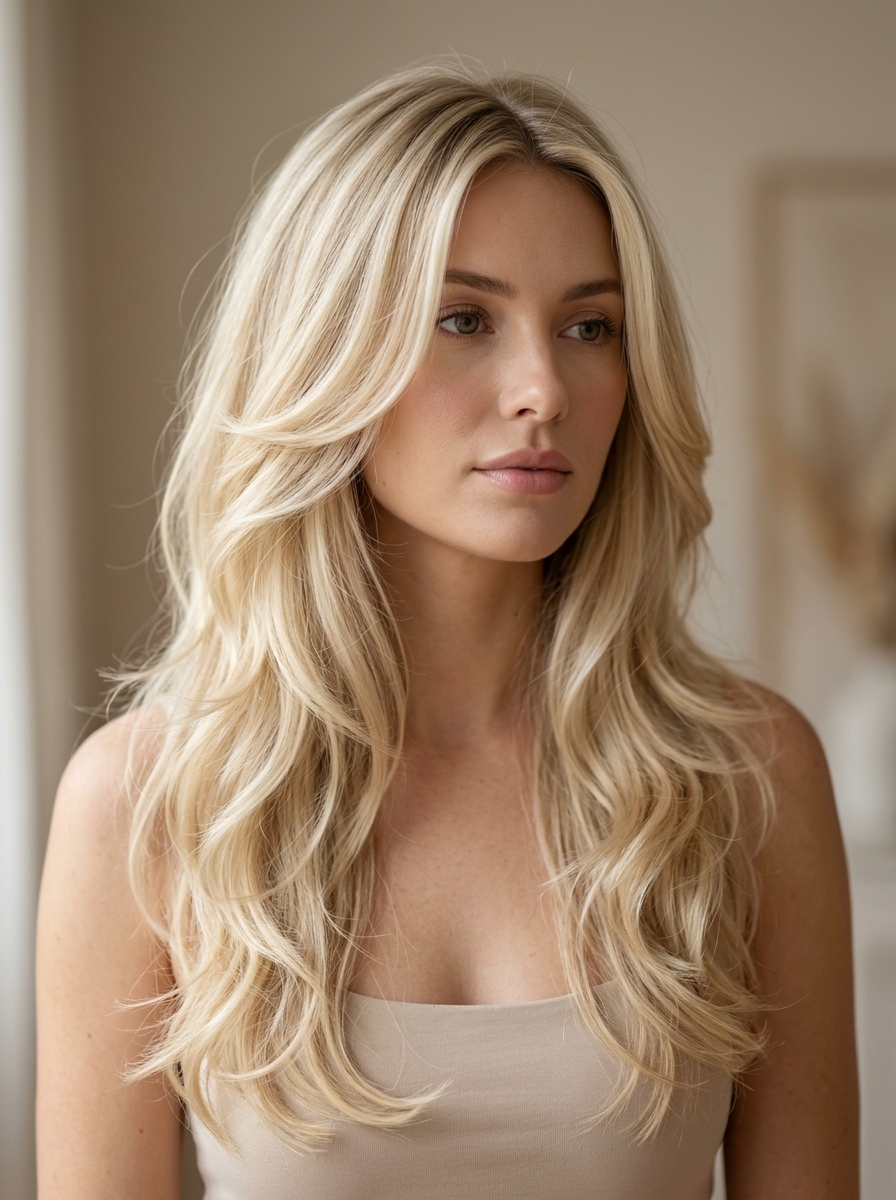
The appeal here is straightforward: length with movement, not length with flatness. These layers start around mid-back and work inward, which means the perimeter stays long while internal sections get the point-cutting treatment. That’s the detail that matters—point-cutting ends creates a soft, wispy finish, preventing bluntness and promoting natural movement. You’re not getting a blunt wall of hair at waist-level; you’re getting feathered softness that actually moves when you do.
Volume around the crown held for 2 days with light styling product application, which is solid considering the length involved. (Worth the daily effort, but let’s be honest about the reality.) Fine hair with natural waves responds best here—the internal layers don’t fight your texture, they work with it. Requires daily styling to achieve the desired voluminous, swept-back look, so this isn’t the choice if you’re anti-blow-dry. The long buttercream blonde layers demand intention. But when they land right, you’ve got something that photographs like a salon ad and actually feels wearable. The volume is undeniable.
Ash Blonde Butterfly Cut
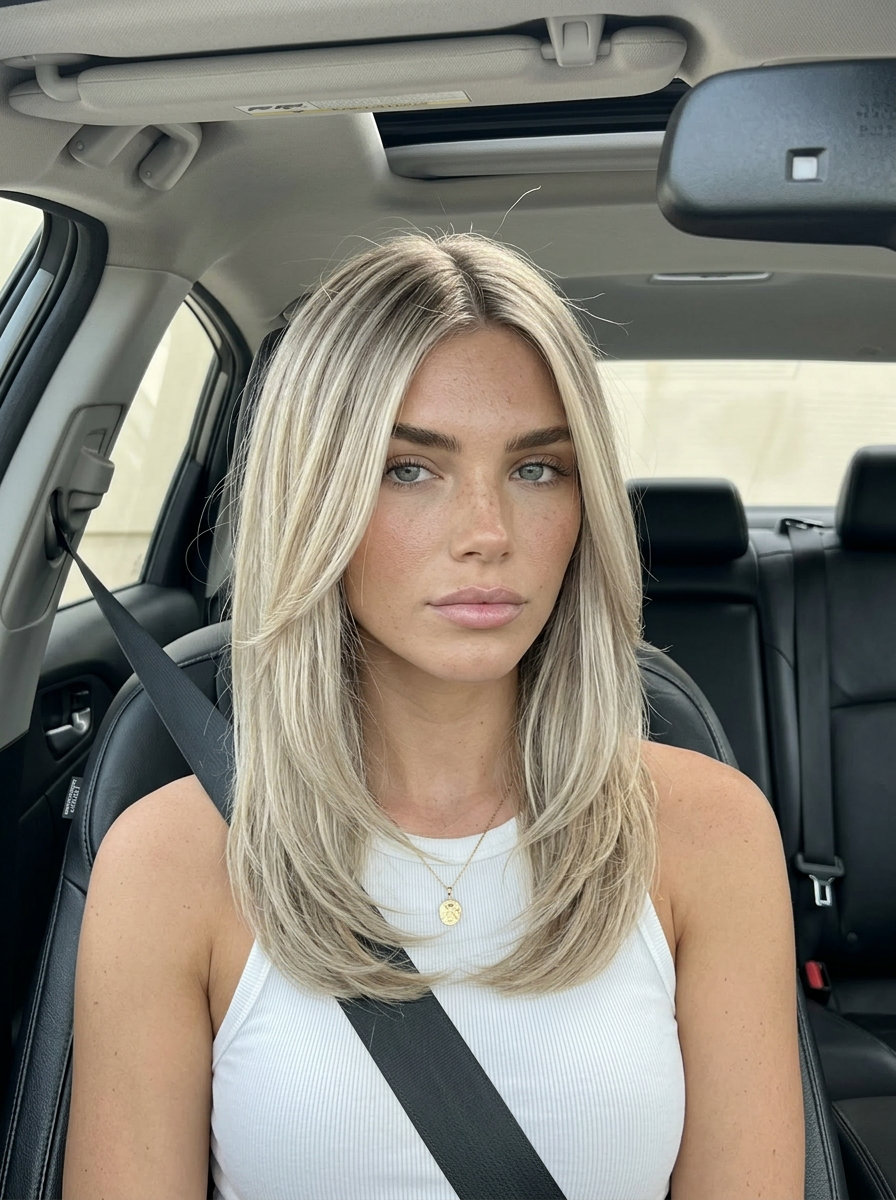
Internal layering removes bulk, creating movement while maintaining a sleek, polished exterior. This is the butterfly cut at its most restrained—shoulder-length, minimal face-framing, maximum control. The ash blonde works because cool tones don’t scream “maintenance,” even when they do require it. Sleek exterior maintained for 3 days without frizz on fine hair, which means you’re not living in the salon chair between appointments.
Skip if you have very thick hair—internal layering might not be enough, and you’ll end up frustrated with the lack of texture reduction. The trick is asking your stylist specifically for internal layering over surface texturizing; they’re different techniques, and the wrong one here kills the whole vibe. (Which is all my fine hair can handle.) This cut pairs with a flat iron and maybe a texture spray, but that’s the ceiling of effort—no blow-dryer required unless you want extra polish. Effortless chic, truly.
90s Blowout Butterfly Cut
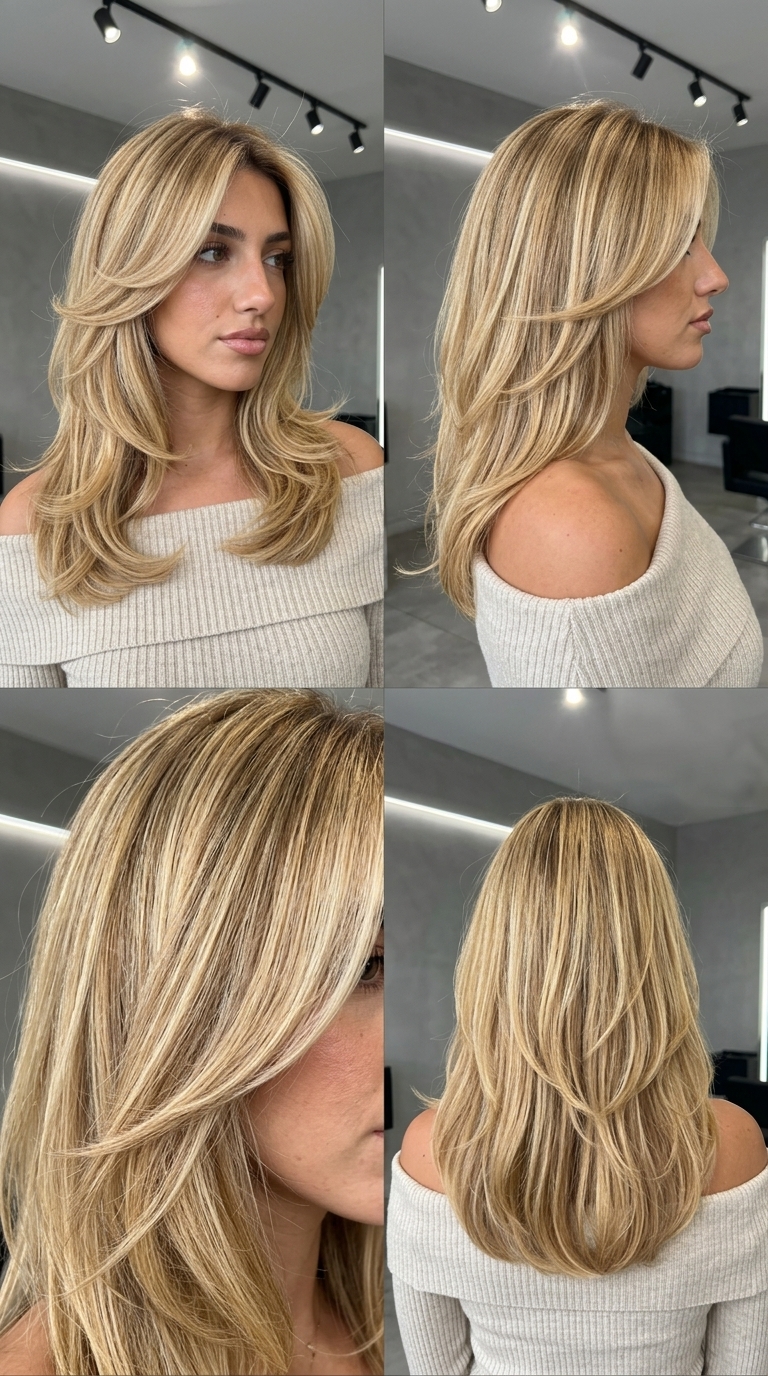
Heavy internal layering provides maximum volume and bounce, especially at the crown, for that iconic ’90s look. This is the butterfly cut weaponized for presence—lots of choppy layers, lots of movement, lots of intention required. Every section gets thinned and texturized, which is why this version demands the most from both stylist and wearer. Dramatic volume and bounce lasted all night with minimal hairspray, but that’s under ideal conditions: fresh blow-dry, proper technique, the works.
Requires significant styling effort daily to achieve the ’90s volume, so commit before you book this one. The cut itself is salon-level investment because the layering pattern has to be precise—too much and it looks ratty, too little and it reads flat. (Or maybe a bit more hairspray, depending on humidity.) You need a blow-dryer, texturizing products, and the skill to use them. If you love the aesthetic of a freshly-done blowout and don’t mind maintaining it, this is your formula. Hello, ’90s glam.
Extra Long Butterfly Haircut
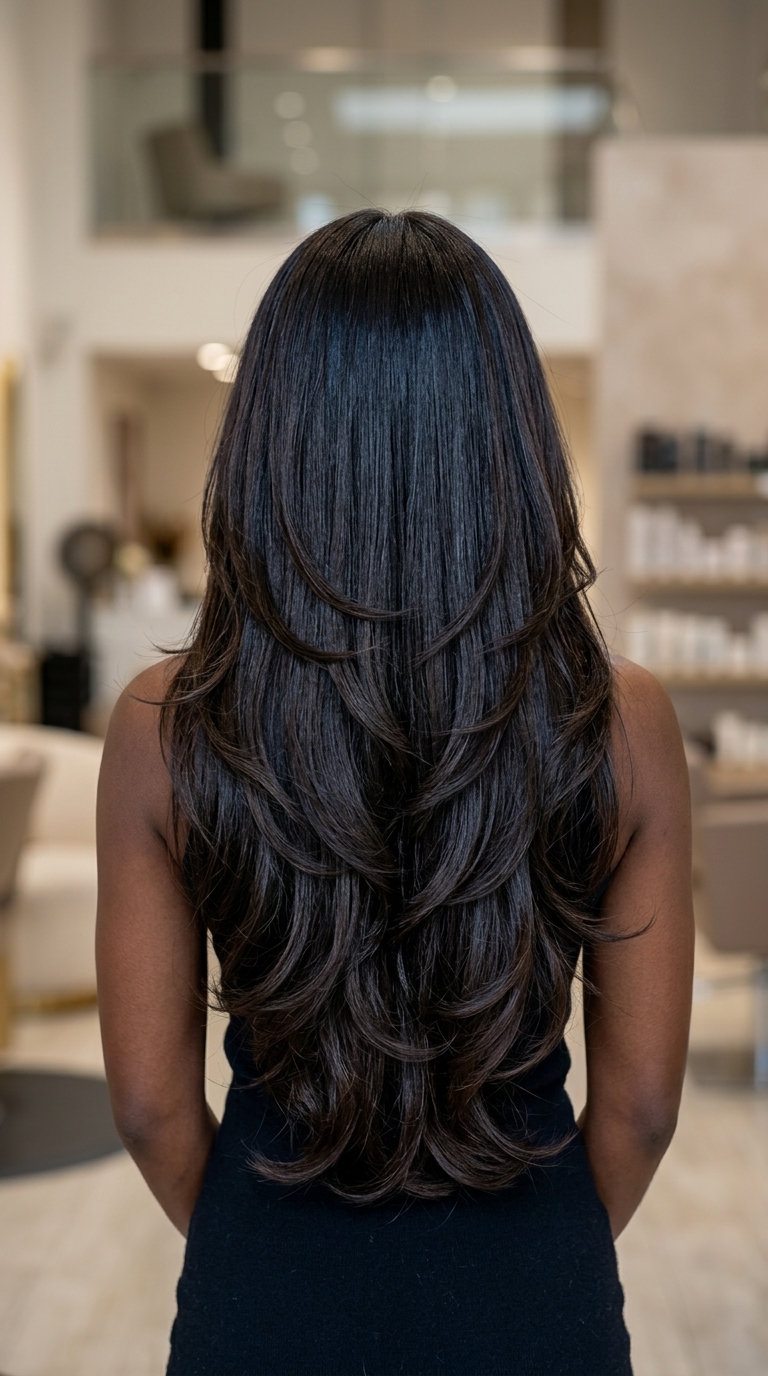
Deep point-cutting and internal texturing create significant movement, body, and a soft, feathered finish at extreme lengths. Waist-length takes real commitment—not just styling, but regular trims and probably extensions if your hair doesn’t naturally reach that far. Waist-length layers maintained soft, feathered finish for 4 weeks, and then you’re looking at a refresh because gravity wins and blunt ends return. This is the butterfly cut stretched to its absolute limit, which means the technique has to be flawless or the length reads as one-note.
Skip if your hair isn’t thick or you dislike extensions—length needs density, and fine hair alone won’t hold this silhouette without help. Extensions add cost and maintenance, but they’re honest work if you’re committed to the vision. (Probably worth the consultation at least.) The extra long butterfly haircut is purely aesthetic; it’s not a practical choice. But if you want presence and drama and are willing to schedule salon time around hair care, this delivers exactly that. Dramatic length, stunning impact.
Silver Grey Butterfly Cut
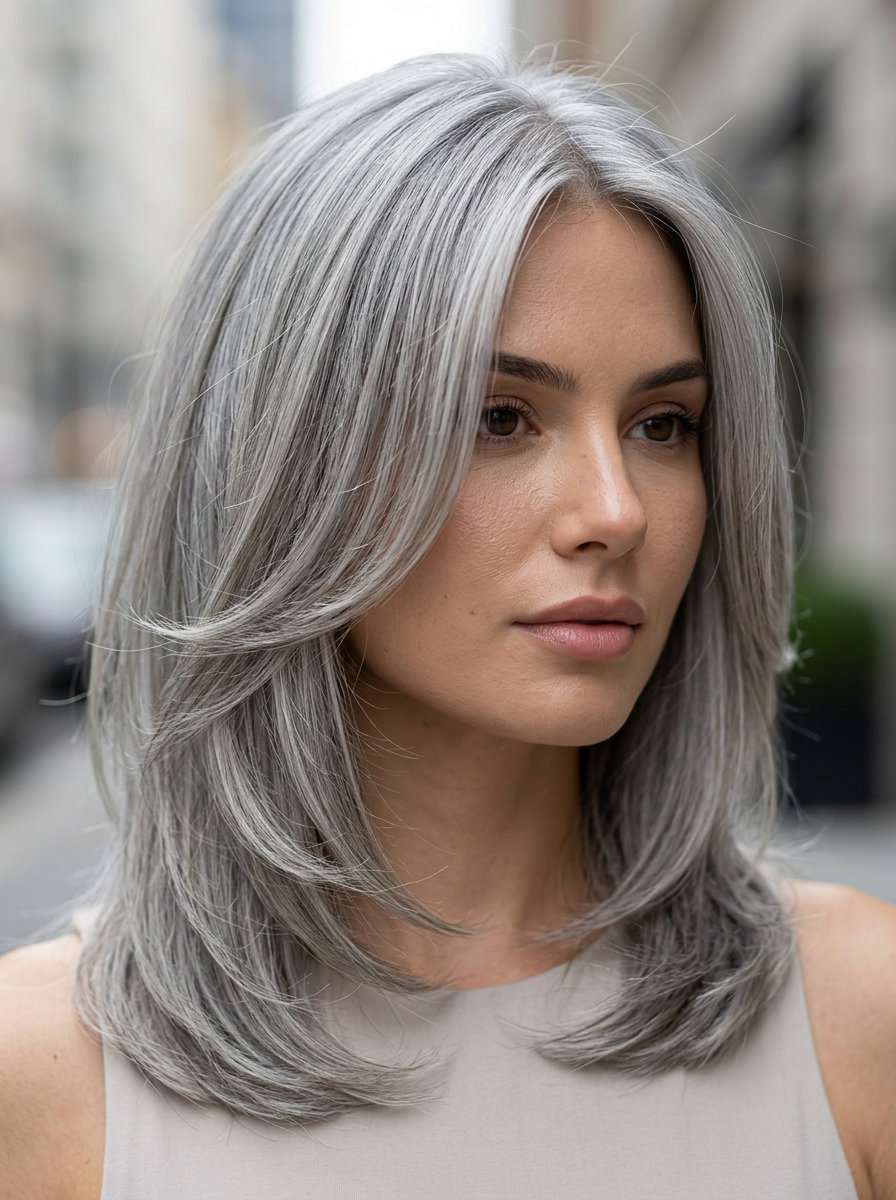
Point-cut layers add softness and movement, while a blunt perimeter ensures a polished, sophisticated finish. Silver grey is harder to pull off than platinum or caramel because it reads as either icy or dull depending on undertone and lighting. This version leans cool, which means the layers need to catch light—they can’t sit flat or the color flattens with them. Polished finish lasted 2 days with proper blow-dry and heat protectant, and then refresh with a round brush and texture spray.
Sleek styling is crucial; air-drying won’t achieve the desired polish, so this isn’t a wash-and-go cut. The grey demands precision both in cut and in color maintenance, and that’s expensive on both fronts. (My new go-to for making ordinary outfits read as intentional.) Start with a color consultation because silver grey on dark roots looks patchy fast, and the cost of maintaining this ranges from monthly to every six weeks depending on your hair growth. The silver grey butterfly cut works best on straight to slightly wavy hair where styling shows the layers clearly. Sophistication in every strand.
Curved Butterfly Haircut for Wavy Hair
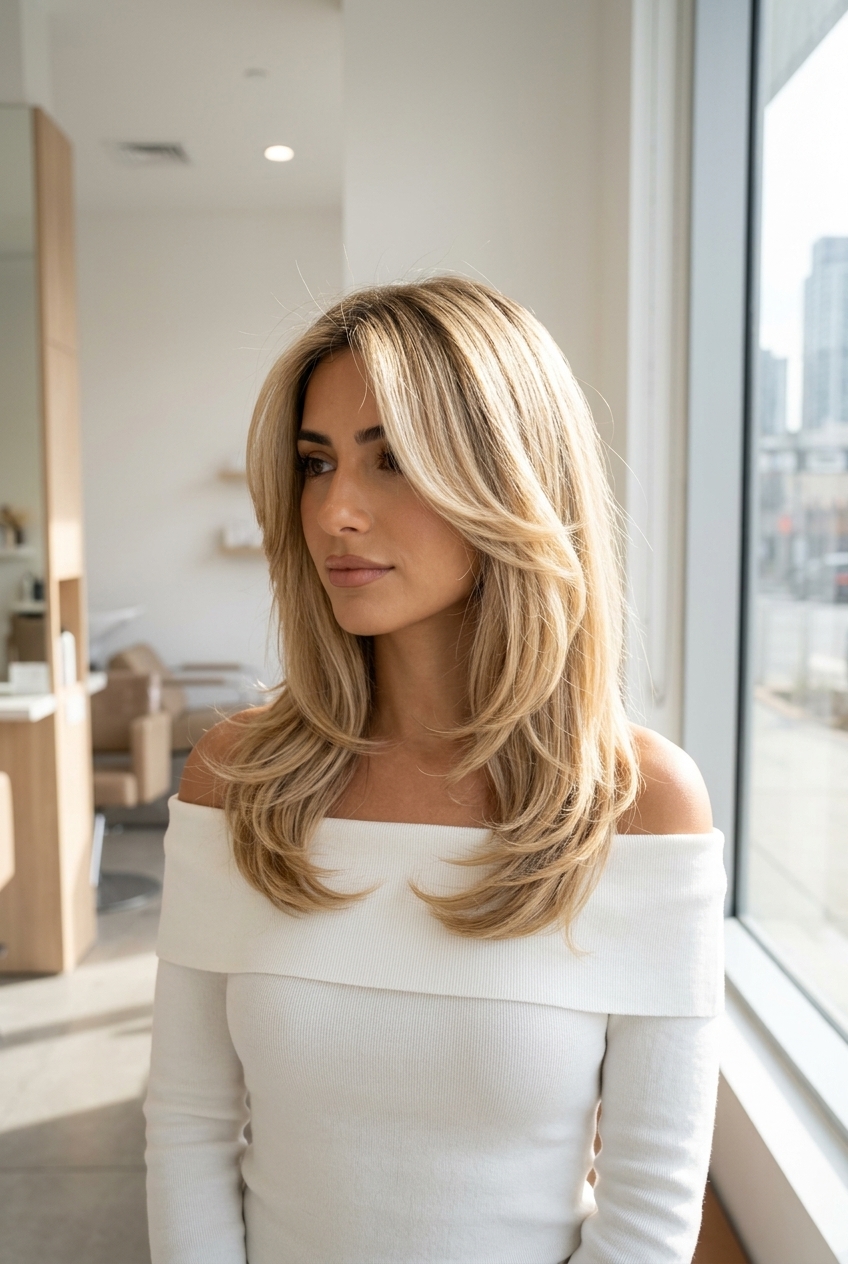
Wavy hair has one job: cooperate with shape, not fight it. A curved butterfly cut leans into this completely, using face-framing layers that aren’t just shorter—they’re rounded. The cut enhances natural wave by positioning every layer to catch light and movement exactly where your cheekbones live. Point-cutting layers in a rounded motion creates soft, face-hugging movement, blending seamlessly for natural volume without the choppy texture that makes people look like they stuck their finger in an electrical socket.
Face-framing layers perfectly curved around cheekbones enhance natural wave for about 4 weeks, though this requires daily styling to maintain that curve and movement—probably worth the consultation at least to see if your stylist actually understands the geometry here. The honest part: this cut demands consistency. Skip the blow-dry for three days and those face-framing layers will start doing their own thing, which isn’t always the look you want. Curved perfection.
Long Linen Blonde Butterfly Cut
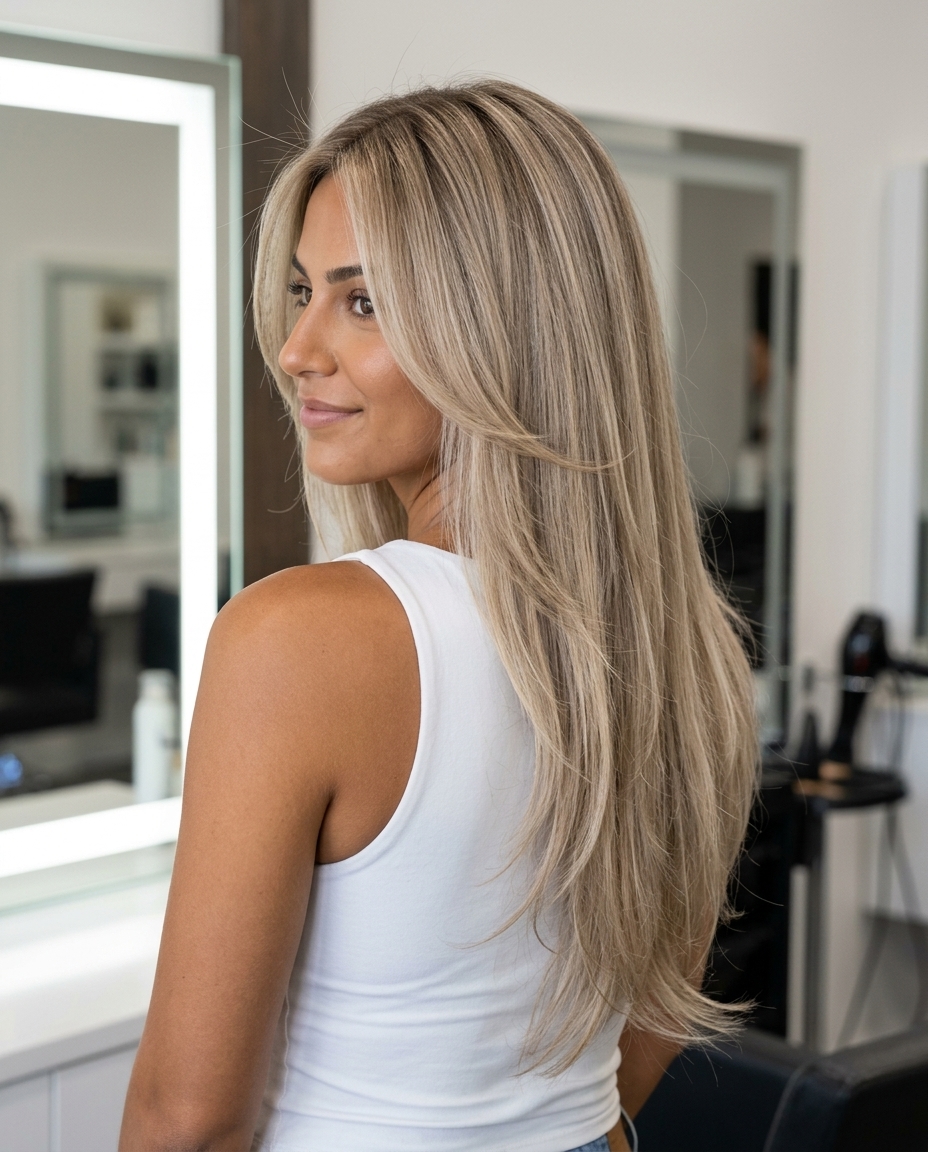
Long hair gets a reputation for being low-maintenance, which is objectively false. But length paired with the right internal layering actually becomes simpler to style because the weight does some of the work for you. Subtle internal layering adds volume and movement to long hair without sacrificing density or appearing choppy. Longest layers maintained shape for 8 weeks before needing a light trim, which means you’re not chasing your stylist every month just to keep this alive.
The linen blonde base here sits in that sweet spot between “I’m naturally blonde” and “I paid for this strategically.” It’s not platinum (which would demand constant maintenance and would look almost gray on fine hair), and it’s not bronde (which feels like you couldn’t decide). This is the color that photographs like honey, which is all my fine hair can handle without turning into straw. Skip this if you have very thick hair—internal layers won’t remove enough bulk, and you’ll end up looking like you’re wearing a wig. Long and lovely.
Midnight Espresso Lob
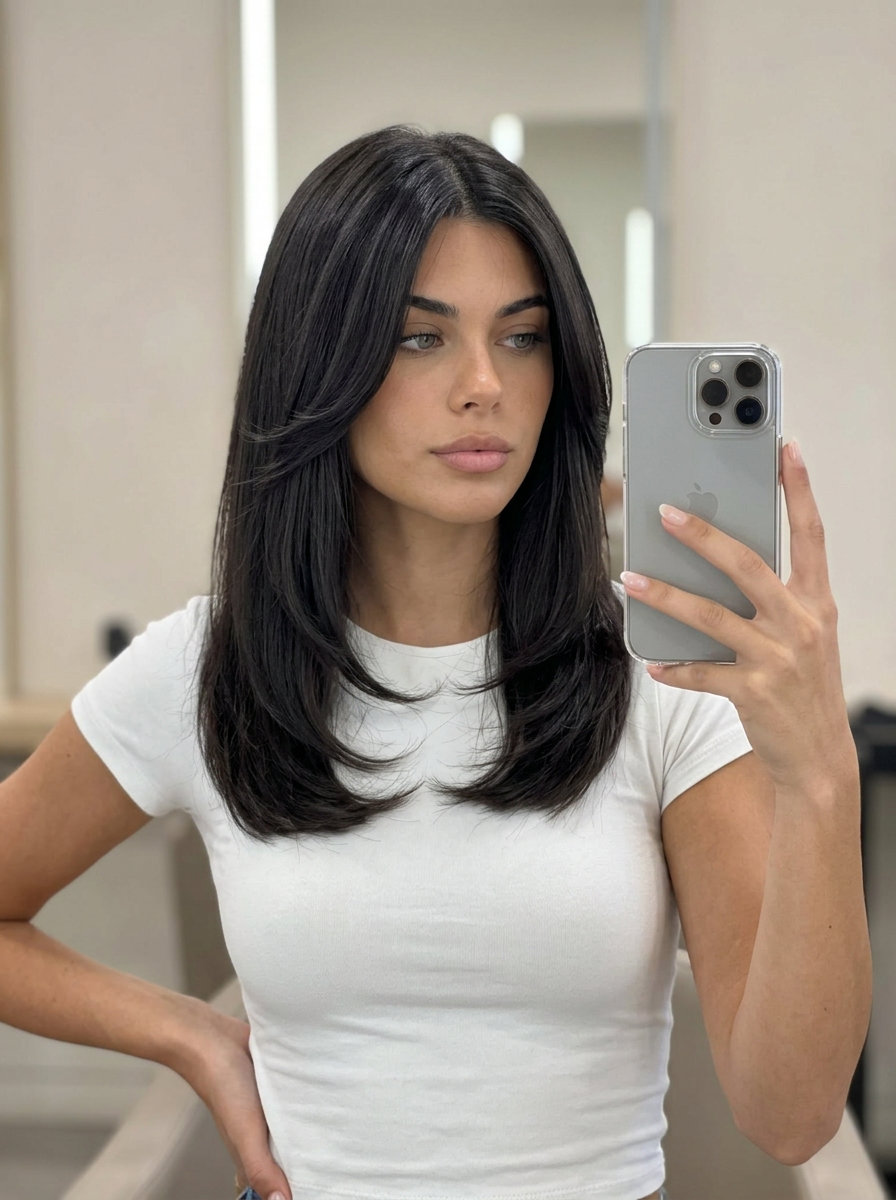
There’s a specific moment when a lob crosses from “length with layers” into “actually styled architecture,” and this one lives there permanently. The cut isn’t the story—the styling is. Using a round brush for the final blow-dry creates sleekness and an inward curve, enhancing the ‘glass wing’ effect that makes this look simultaneously sharp and soft. Achieved glass-like shine and sleekness in 28 minutes, holding for a full day before the ends started to curl away from your face slightly.
Midnight espresso is the dark brown that doesn’t read as basic because it has barely perceptible warm undertones that catch in sunlight. Daily styling takes 25-30 minutes, which is a significant time commitment—or maybe just for special occasions, honestly—but the payoff is that you walk into a room and people notice the hair before they notice you. The color needs a gloss every 6-8 weeks, which adds up fast. Worth the effort.
Apricot Crush Butterfly Layers
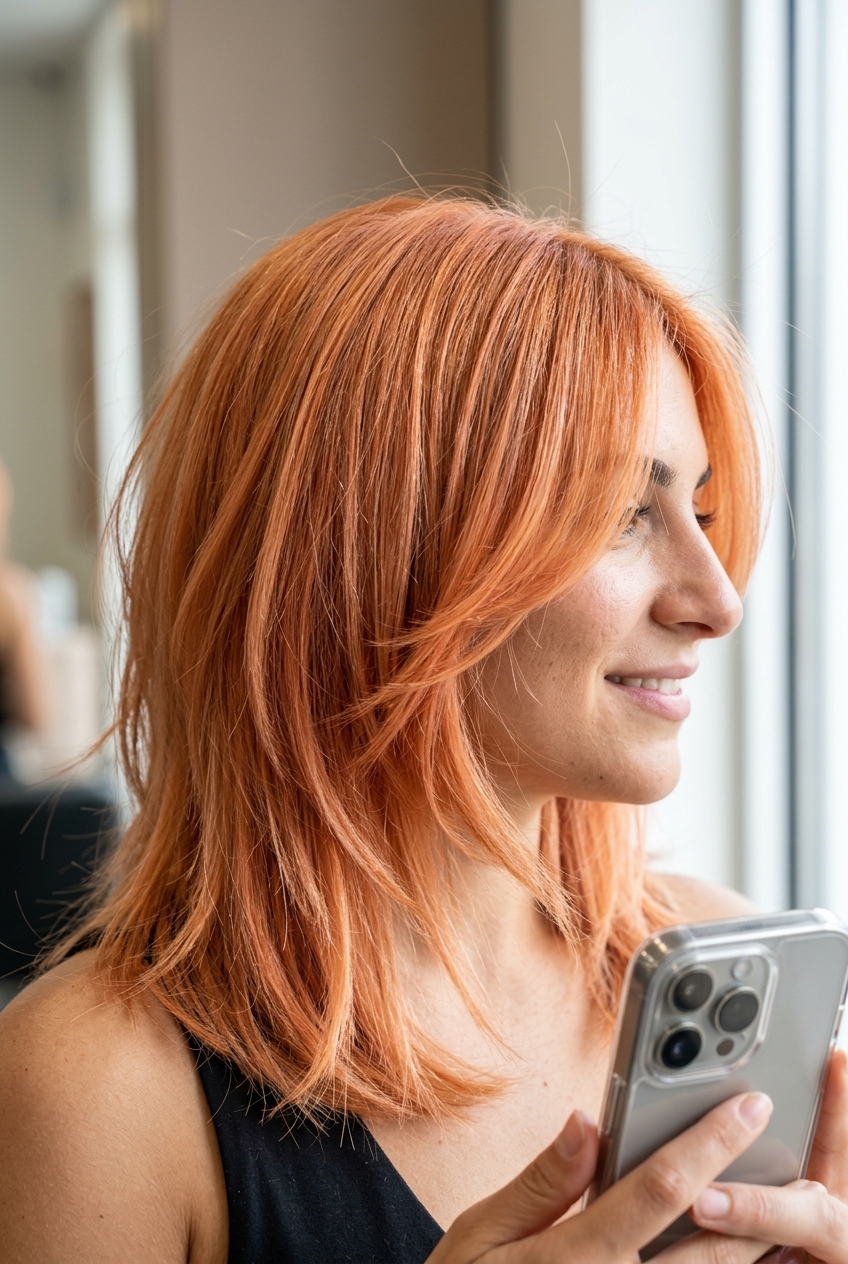
Texture is the word that gets thrown around constantly in hair, but here it actually means something specific: razored ends that catch light independently instead of lying flat. Heavy internal layering and razored ends create maximum texture and volume, giving a modern shag-like deconstructed look that reads as intentional, not accidental. Razored ends maintained piecey texture for 5 weeks before needing a refresh, and the apricot-crush color—that warm mid-tone between copper and honey—ages beautifully as it fades, turning slightly more golden instead of brassy.
This cut sits at the intersection of “I woke up like this” and “I spent forty minutes styling,” which is where most people actually want to live. The catch: pass if you have very fine hair because heavy layers remove too much volume, leaving you with a thin, feathery situation that reads more disappointment than intention. The color fades gracefully without purple shampoo, though one application weekly extends the apricot tone by at least a month. Texture for days.
Honey Blonde Butterfly Bob
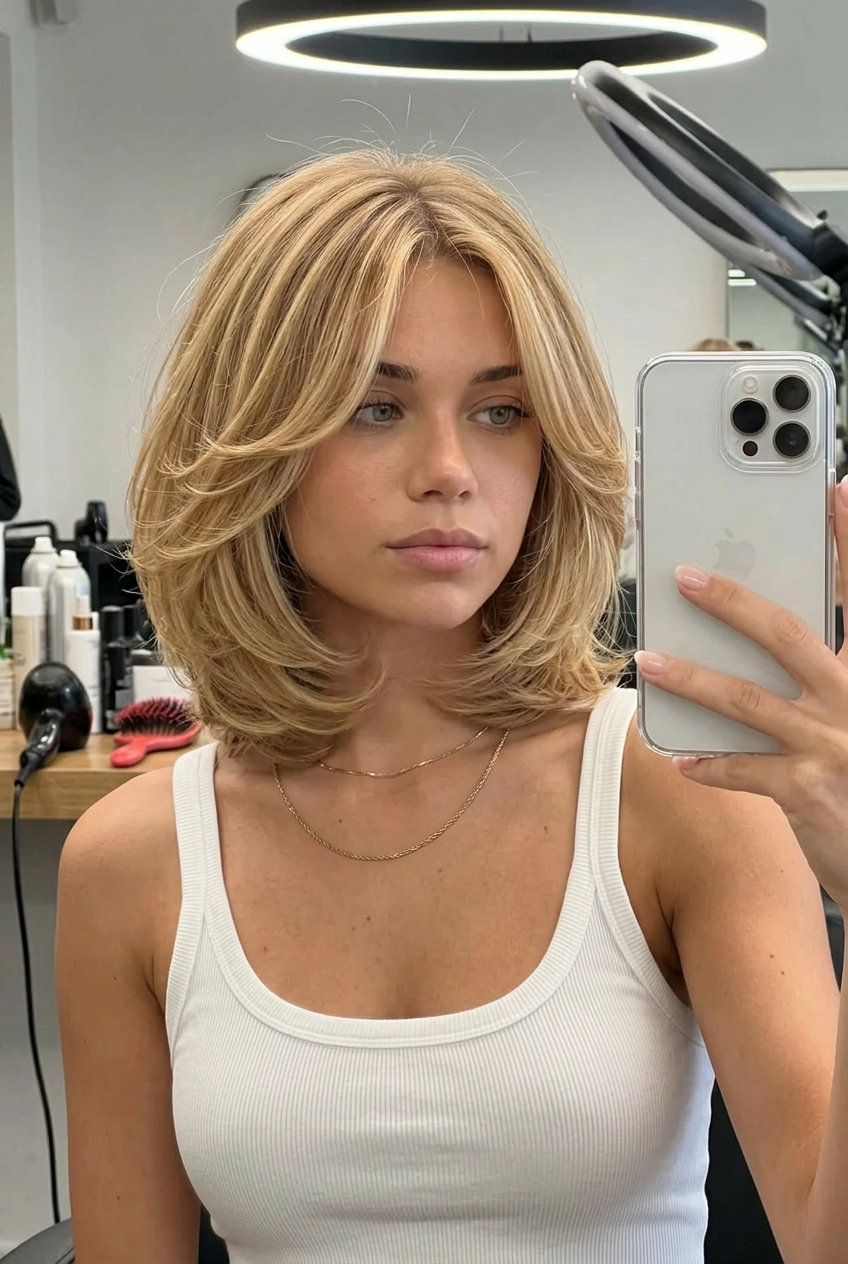
A bob with actual dimension is rare because most stylists default to blunt ends and call it done. Point-cut layers and light internal layering create a rounded, voluminous silhouette, boosting volume for fine hair that normally falls flat against the scalp. The honey blonde base photographs like actual honey—warm, translucent, and expensive-looking without requiring Balayage cost or a two-month grow-out period. Curtain bangs swept gracefully for 3 weeks before needing a slight trim, and the styling routine is genuinely manageable if you’re comfortable with a blow-dryer and a round brush.
This cut works on wavy, fine to medium hair that needs a boost of volume, and the length—usually chin-length or slightly longer—means you’re not committing to full-time maintenance or the “growing out a pixie” torture timeline. The layers create movement that your natural wave amplifies instead of fighting, which means on second and third day hair, this actually improves. Bob goals achieved.
Lavender Butterfly Haircut
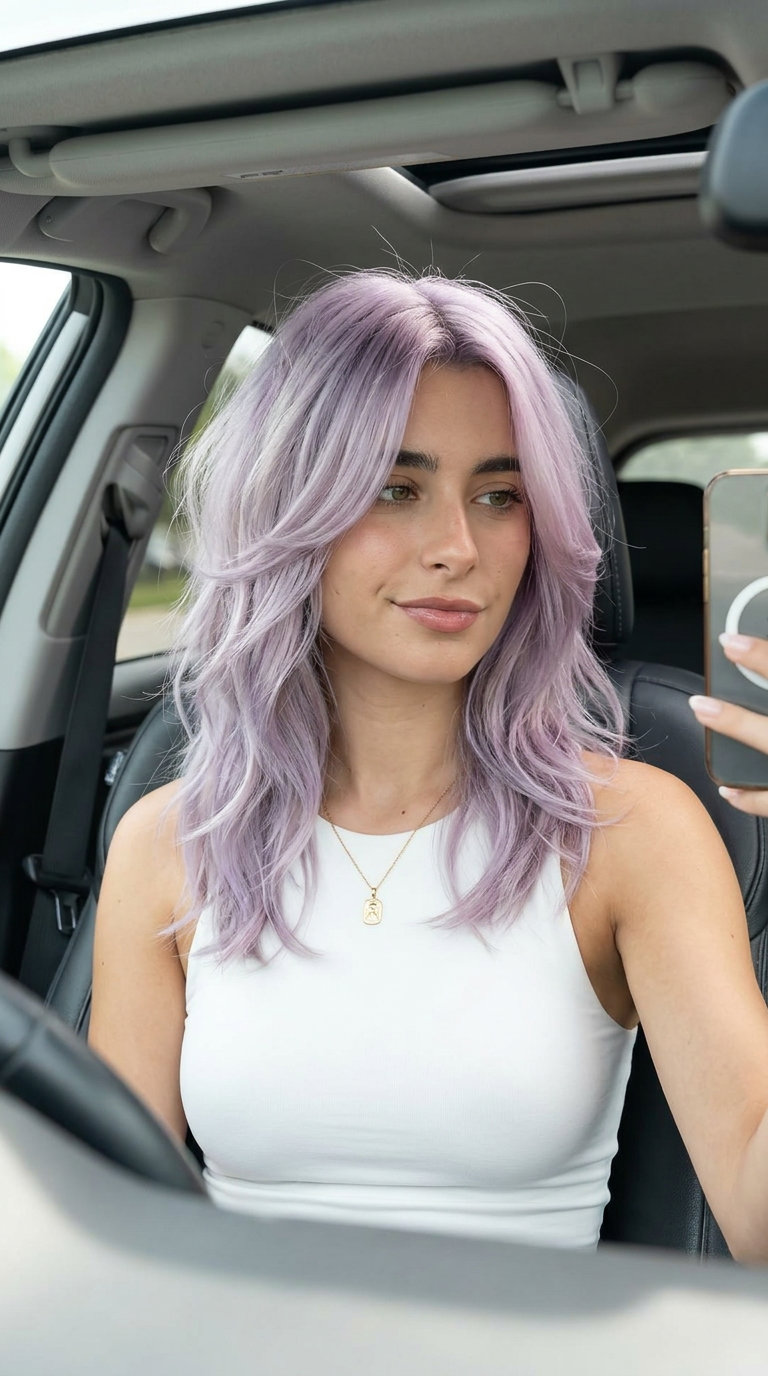
Lavender is the cool-girl color that somehow works on more skin tones than you’d expect, especially when paired with a cut that actually flatters your face rather than just sitting there. Point-cut ends create a soft, feathery texture, enhancing the ‘winged’ effect and adding airy volume around the face where you need it most. The face-framing layers at cheekbone length consistently lifted and held curl with minimal product, which matters if you’re working with curly or wavy texture.
This cut is all about creating soft angles instead of harsh lines. The lavender itself needs a purple-toning shampoo twice weekly (or maybe balayage, honestly) to prevent that greenish fade that ruins the whole vibe. But the real magic is in those point-cut layers that fall in a way that actually frames instead of obscures. The lavender butterfly haircut reads sophisticated without requiring a PhD in styling. Feathery and light.
Sandy Blonde Butterfly Cut
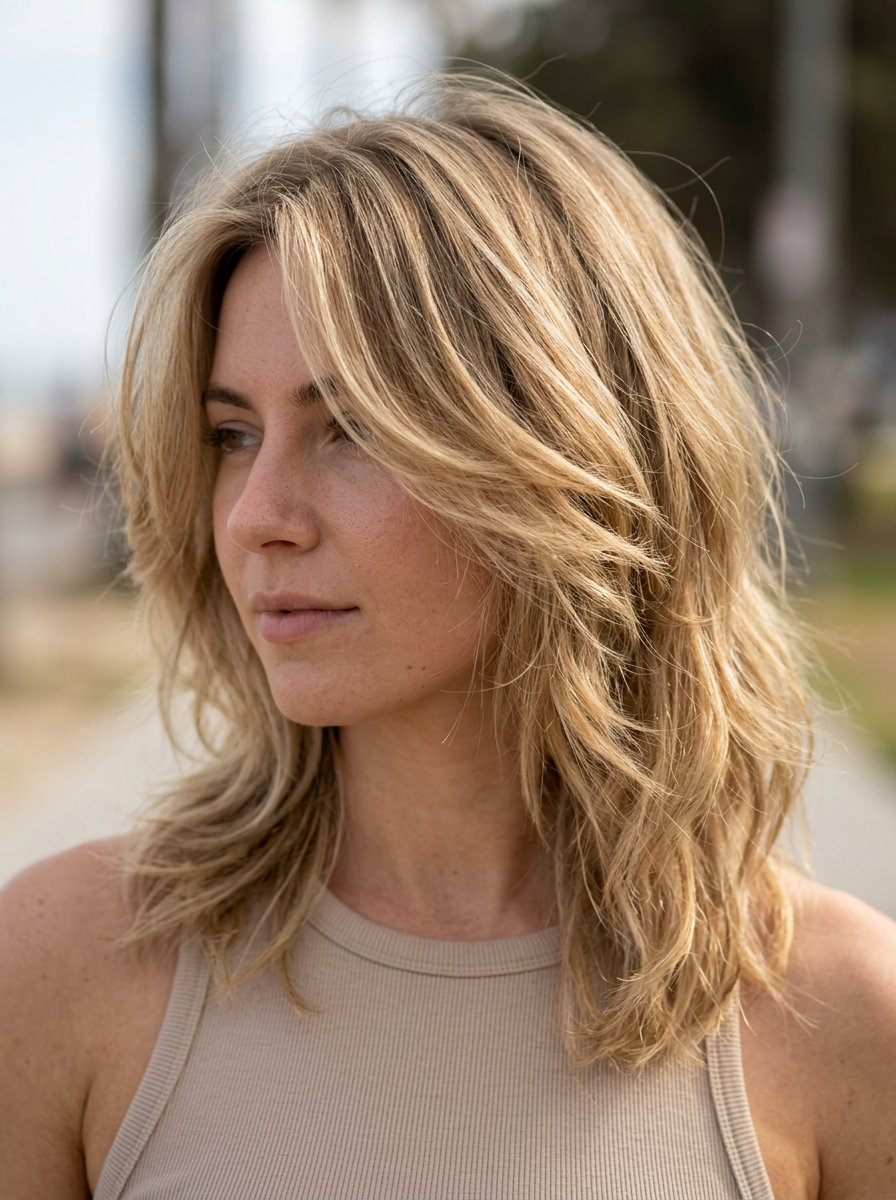
Sandy blonde is the color that looks sun-kissed even in February, which is why it’s become the default for anyone wanting low-maintenance blonde without the commitment of platinum. Internal texturing and point-cutting remove bulk, encouraging natural movement and air-drying without heavy styling products or a blow dryer permanently attached to your hand. This is the cut for people who actually like their texture, not people trying to become someone else.
Internal texturing allowed air-drying to create defined waves without frizz for 2 days, which is a real timeline you can plan around instead of styling every single morning. Longer layers lost their ‘butterfly’ shape after 8 weeks, needing earlier trim than expected, so budget salon time accordingly. The color itself is the value story here—sandy blonde hides root growth better than any other shade and doesn’t scream “I’m overdue for a touch-up” after three weeks. The sandy blonde butterfly cut costs less than it should for something this functional (probably worth the consultation at least). Effortless air-dry perfection.
Chocolate Brown Butterfly Layers
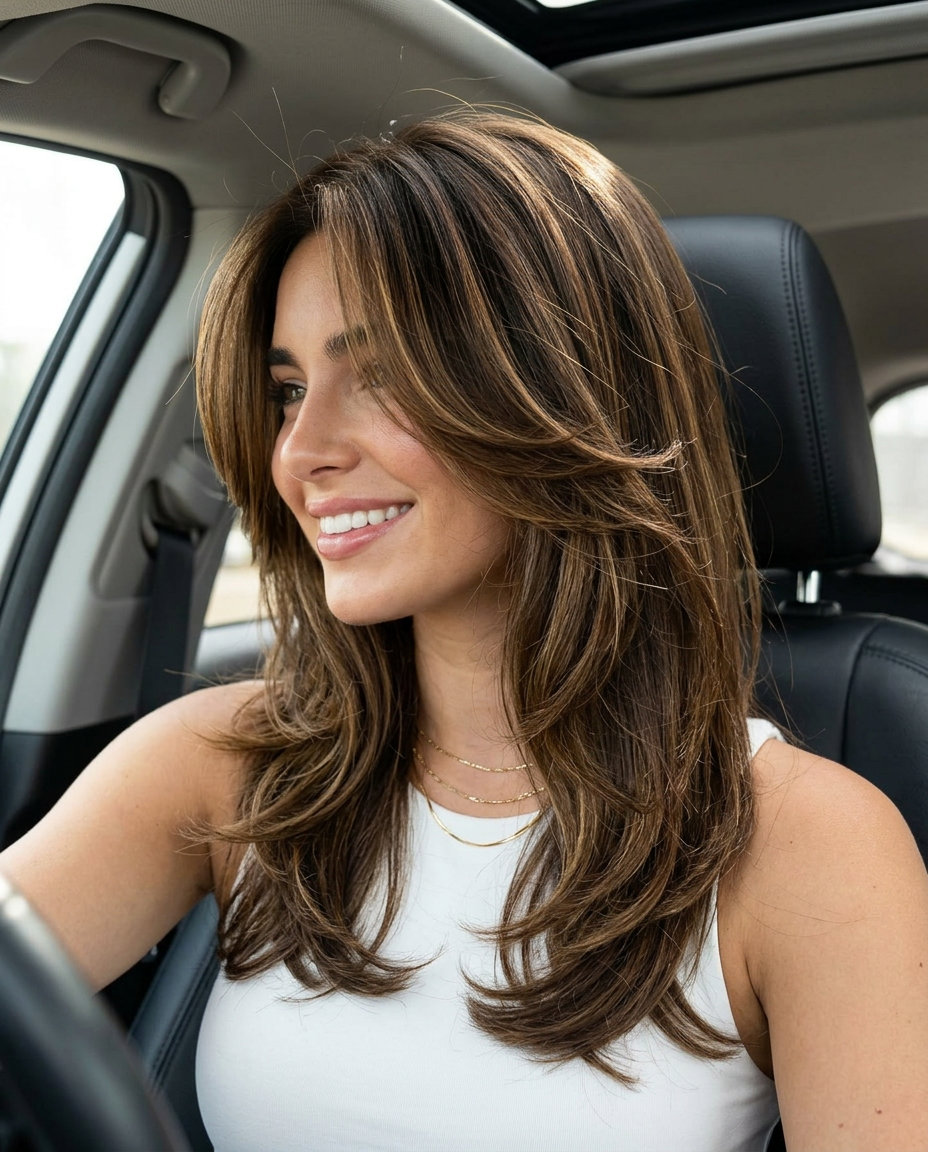
Chocolate brown is having a moment because it actually works on everyone—warm on cool skin tones, rich on warm ones, just universally flattering in a way that trends usually aren’t. Invisible internal layers remove weight and enhance natural waves without visible steps, creating a soft, voluminous ‘winged’ effect that reads mature without trying. This technique matters for thick hair specifically, since bulky cuts just sit there looking heavy instead of intentional.
Invisible internal layers reduced bulk, allowing thick hair to feel lighter for 10 weeks, which is a real game-changer if you’ve been fighting with your density your whole life. Not for very fine hair—invisible layers might remove too much precious volume and leave you with nothing to work with. The color doesn’t require bleach, so you’re looking at minimal damage and a rich, dimensional finish that photographs well without filter adjustment (the best $30 I’ve spent on hair). The chocolate brown butterfly layers deliver movement and shape without the upkeep of blonde. Invisible layers are genius.
Still Deciding? Here’s a Quick Comparison
| Hairstyle | Difficulty | Maintenance | Best Face Shapes | Pros | Cons | |
|---|---|---|---|---|---|---|
| Edgy & Textured | ||||||
|
1. Apricot Crush Butterfly Cut | Moderate | High — every 4-5 weeks | square, round, diamond | Suits most face shapesWorks on multiple texturesLayers add movement | Frequent salon visits needed |
|
2. Salt-Air Shag Butterfly | Easy | Medium — every 8 weeks | square, long, heart | Easy to style at homeSuits most face shapesWorks on multiple textures | Not ideal for very curly hair |
|
10. Linen Blonde Micro Butterfly | Easy | Low — every 6-8 weeks | oval, heart, small features | Low maintenanceEasy to style at homeSuits most face shapes | Not ideal for very curly hair |
|
20. The Silver Fox Butterfly | Salon-only | High — every 4-6 weeks | oval, round, square | Suits most face shapesWorks on multiple texturesLayers add movement | Requires professional styling |
|
21. Buttercream Blonde Curved Butterfly | Moderate | Medium — every 8-10 weeks | round, diamond, oval | Suits most face shapesLayers add movementFlattering face-framing | Not ideal for very curly hair |
|
24. The Festival Apricot Crush | Moderate | High — every 4-5 weeks | oval, heart, long | Suits most face shapesWorks on multiple texturesLayers add movement | Frequent salon visits needed |
| Classic & Clean | ||||||
|
3. Syrup Brunette Butterfly Bob | Moderate | Medium — every 8-10 weeks | oval, square, round | Suits most face shapesWorks on multiple texturesLayers add movement | Not ideal for very curly hair |
|
6. The Asymmetrical Butterfly Bob | Moderate | Medium — every 6-8 weeks | All face shapes | Suits most face shapesWorks on multiple texturesLayers add movement | Not ideal for very curly hair |
|
7. The Fiery Copper Morpho | Moderate | High — every 4-6 weeks | square, heart, oval | Suits most face shapesWorks on multiple texturesLayers add movement | Frequent salon visits needed |
|
8. The Ghostly Layers Butterfly | Moderate | Medium — every 8-10 weeks | all | Works on multiple texturesLayers add movementFlattering face-framing | Not ideal for very curly hair |
|
12. Summer Breeze Butterfly Bob | Moderate | Medium — every 8-10 weeks | oval, heart, long | Suits most face shapesWorks on multiple texturesLayers add movement | Not ideal for very curly hair |
|
14. Ghost Butterfly with Face-Framing | Moderate | Low — every 10-12 weeks | all | Low maintenanceWorks on multiple texturesLayers add movement | Not ideal for very curly hair |
|
15. The Polished Syrup Bob | Moderate | Medium — every 8-10 weeks | oval, round, square | Suits most face shapesWorks on multiple texturesLayers add movement | Not ideal for very curly hair |
|
16. The Dreamy Buttercream Cascade | Moderate | Medium — every 6-8 weeks | oval, long, diamond | Suits most face shapesWorks on multiple texturesLayers add movement | Not ideal for very curly hair |
|
17. The Ash Blonde Aura Cut | Moderate | Medium — every 8-10 weeks | round, oval, diamond | Suits most face shapesWorks on multiple texturesLayers add movement | Not ideal for very curly hair |
|
23. The Midnight Empress Lob | Moderate | Medium — every 8-10 weeks | oval, square | Works on multiple texturesLayers add movement | Not ideal for very curly hair |
|
25. The Honey Bee Bob | Moderate | Medium — every 6-8 weeks | oval, heart | Works on multiple texturesLayers add movementFlattering face-framing | Not ideal for very curly hair |
|
28. The Lavender Haze Butterfly | Salon-only | High — every 4-6 weeks | oval, heart, long | Suits most face shapesWorks on multiple texturesLayers add movement | Requires professional styling |
| Soft & Romantic | ||||||
|
5. The Sun Streaked Blonde Butterfly | Moderate | Medium — every 10-12 weeks | oval, long, heart | Suits most face shapesLayers add movementFlattering face-framing | Not ideal for very curly hair |
|
13. The Cherry Cola Butterfly | Salon-only | High — every 4-6 weeks | All face shapes | Suits most face shapesWorks on multiple texturesLayers add movement | Requires professional styling |
|
18. 90s Bombshell Butterfly Blowout | Moderate | High — every 8-10 weeks | oval, heart | Layers add movementFlattering face-framing | Frequent salon visits needed |
|
19. Midnight Espresso XXL Butterfly | Salon-only | Medium — every 8 weeks | All face shapes | Suits most face shapesWorks on multiple texturesLayers add movement | Requires professional styling |
|
22. The Airy Linen Blonde Length | Moderate | Medium — every 10-12 weeks | oval, square, heart | Suits most face shapesWorks on multiple texturesLayers add movement | Not ideal for very curly hair |
|
29. The Sandy Blonde Tousled Butterfly | Easy | Low — every 10-12 weeks | all | Low maintenanceEasy to style at homeWorks on multiple textures | Not ideal for very curly hair |
|
30. The Chocolate Morpho Waves | Moderate | Low — every 10-12 weeks | oval, heart | Low maintenanceWorks on multiple texturesLayers add movement | Not ideal for very curly hair |
Frequently Asked Questions
How long does a DIY butterfly haircut style actually last for summer activities?
The Salt-Air Shag Butterfly is built for all-day hold with its lived-in texture—you can style it in 5-10 minutes with sea salt spray and forget it. The Syrup Brunette Butterfly Bob also holds strong for a full day of activity. If you’re going for something more polished like The Sun Streaked Blonde Butterfly or The Apricot Crush Butterfly Cut, expect around 6-8 hours of dynamic movement before the layers start to fall flat.
Which butterfly styles are easiest to do at home, especially for beginners?
The Salt-Air Shag Butterfly is explicitly designed for ease—it’s all about air-drying with texture spray and letting the choppy, deconstructed layers do the work for you. The Sun Streaked Blonde Butterfly and Syrup Brunette Butterfly Bob sit at moderate difficulty, meaning they need a bit more attention with a round brush or styling cream, but they’re totally doable once you practice twice.
Can I achieve a butterfly cut look without a lot of heat styling?
Absolutely. The Salt-Air Shag Butterfly leans entirely into air-drying—just apply your texturizing spray and let it dry naturally for that choppy, lived-in finish. Even The Muted Teal Butterfly offers an air-dry path if you have natural waves; the point-cut internal layers will enhance your texture without requiring a blow dryer or flat iron.
What products do I actually need for a summer butterfly haircut?
Start with a lightweight volumizing mousse or root lift spray to enhance the crown volume that butterfly layers create. A dry texturizing spray is essential for adding grip and definition between washes. If your hair is colored (like the Syrup Brunette or Apricot Crush variations), grab a bond-repair mask for weekly treatments to strengthen the hair after coloring and sun exposure. An air-dry cream helps if you’re skipping heat styling, and a shine serum keeps darker butterfly shades glossy and dimensional.
Final Thoughts
The summer butterfly haircut 2026 isn’t about looking effortless—it’s about looking like you made a choice and stuck with it. The chocolate brown invisible layers, the salt-air texture, the point-cut face-framing: these are deliberate moves. What surprised me most while writing this is how many of these cuts rely on what you don’t see. The internal layering, the ghost layers, the seamless blending—all the architecture happens underneath, and that’s where the real skill lives.
If you’re booking a consultation, bring reference photos of the specific cut you want, not just the color. Ask your stylist about their layering technique—point-cutting versus razoring makes a real difference in how your hair moves. And grab a bond-repair mask and texturizing spray before you leave the salon. The cut is half the battle; the styling products are the other half.